Nel paese di Gengis Khan
Written by Maurizio “Mau” Vagnozzi
Bene, sono atterrato nel piccolo aeroporto di Ulan Bator e, dopo una coda manco tanto epocale per l’immigration, sono montato sul pulmino che mi ha portato in albergo, facendomi vomitare anche il pasto fatto ieri sera a Beijing vista la condizione della strada.
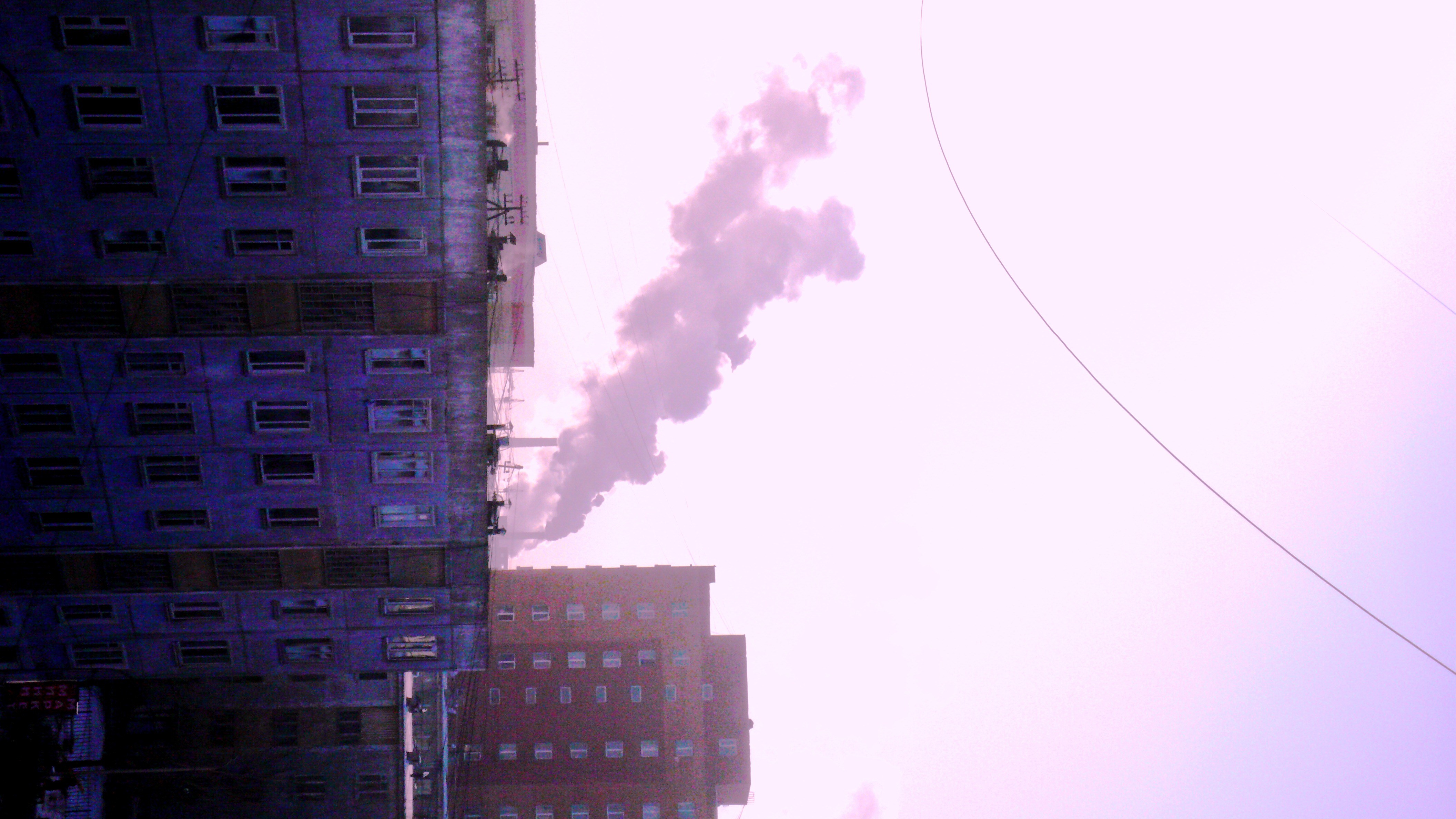
UB assomiglia un po’ alle tipiche città siberiane: bagliore accecante del bianco della neve polverizzata e del ghiaccio lucido, azzurro profondo del cielo dove un qualsiasi tentativo di vapore acqueo viene vanificato dalle temperature che superano i -50°c, tre colossali power-plant che forniscono energia e riscaldamento alla città e tracciano nel cielo fumate bianche dopo le ciminiere, traffico troio, inquinamento da record (si contente il primato della città più inquinata dell’universo).
La temperatura era quasi primaverile all’atterraggio (-24°c), al calare del sole ha raggiunto livelli da laboratorio criogenico, scendendo ben sotto i -30°c. Ho fatto due passi per inalare una bella boccata di idrocarburi conditi con polveri sottili delle dimensioni di un sanpietrino. Il mal di testa che ti viene segnala che la corteccia celebrale si sta ghiacciando come un laghetto di montagna a febbraio (appunto).
Ho indossato mutandoni e maglietta ultratecniche da spedizione artica e mi son guardato nello specchio: novello Nurajev, più adatto alla “Pozzanghera dei Facoceri” che al “Lago dei Cigni”, ho considerato per un attimo anche la possibilità di mettermi uno yak addosso e sfruttare il calore animale.
Dovrei dirvi anche qualcosa sulla storia di questo posto ma, tra il freddo e l’arredo tardo-sovietico nella stanza dell’albergo dove sono mi disincentiva. Vado a dormire con 31 coperte, pedalini, papalina e bottiglia dell’acqua minerale riscaldata. Vedete voi come ci si concia … sotto comunque in immagine post-atomica scattata questo pomeriggio.
Discover more from THE QUIET REPORT
Subscribe to get the latest posts sent to your email.

Guardo la foto e mi aspetto di incrociare lo sguardo di Roy Batty che mi parla delle attack ships on fire off the shoulder of Orion… Tieniti stretto lo yak… 🙂
“ho visto cose che voi umani …” grandissima citazione!
guardo la foto e tutto il fascino esotico che le parole Ulan Bator e Mongolia suscitavano nel mio immaginario di turista aspirante viaggiatore …
E non ti faccio vedere il troiaio di traffico di Ulan Bator adesso ….