THE ONE-CYLINDER ECONOMY
Written by Maurizio “Mau” Vagnozzi
There are many ways to measure an economy.
Governments count GDP. Economists track productivity, inflation, exports, and investment. Consultants fill PowerPoint slides with charts and forecasts. Yet after a few days walking through Da Nang, it becomes difficult to ignore a simpler metric: the number of motorcycles moving through the city at any given moment.
Not because they represent traffic. Because they represent everything else: Vietnam runs on a one-cylinder economy.
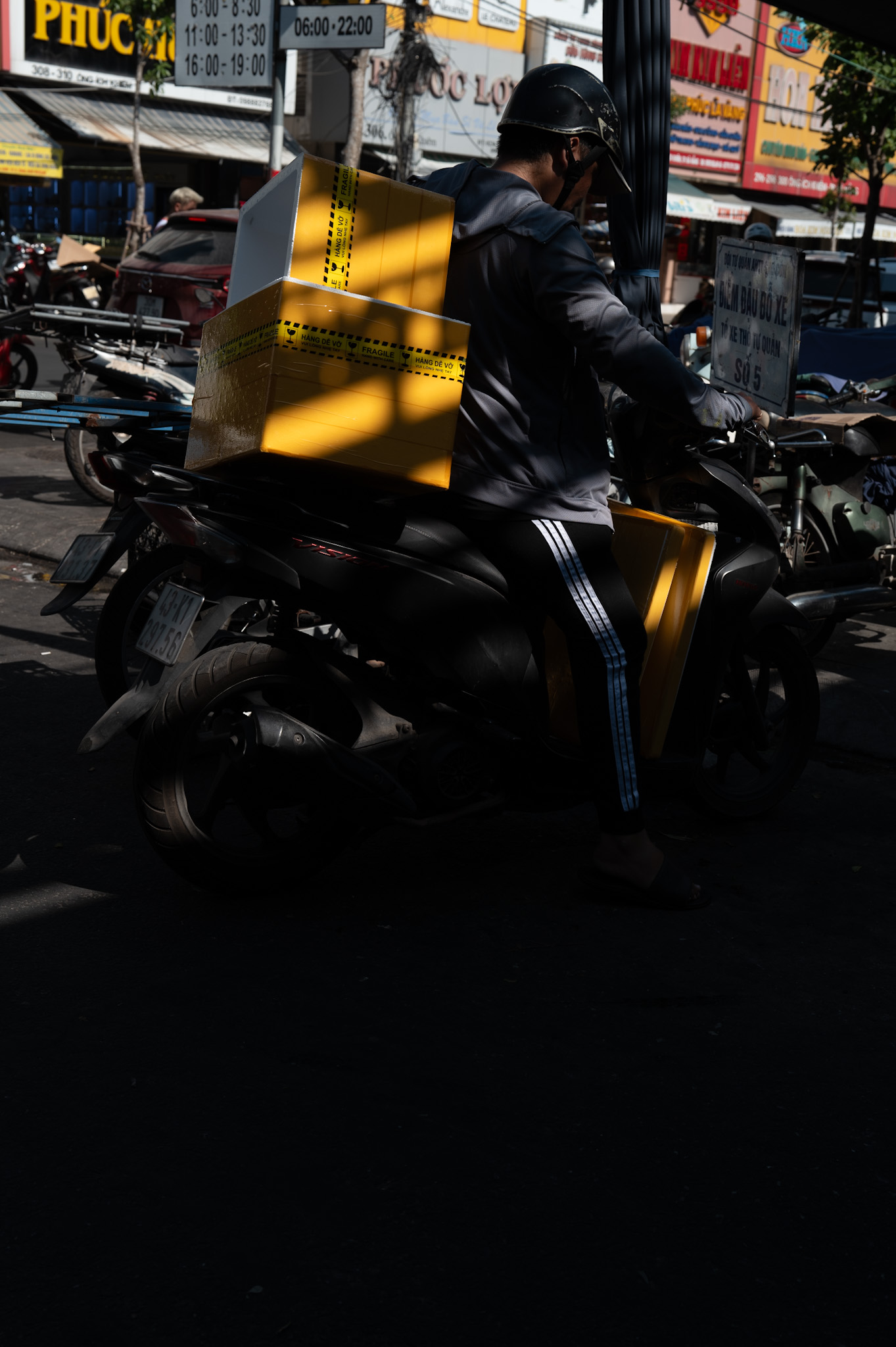
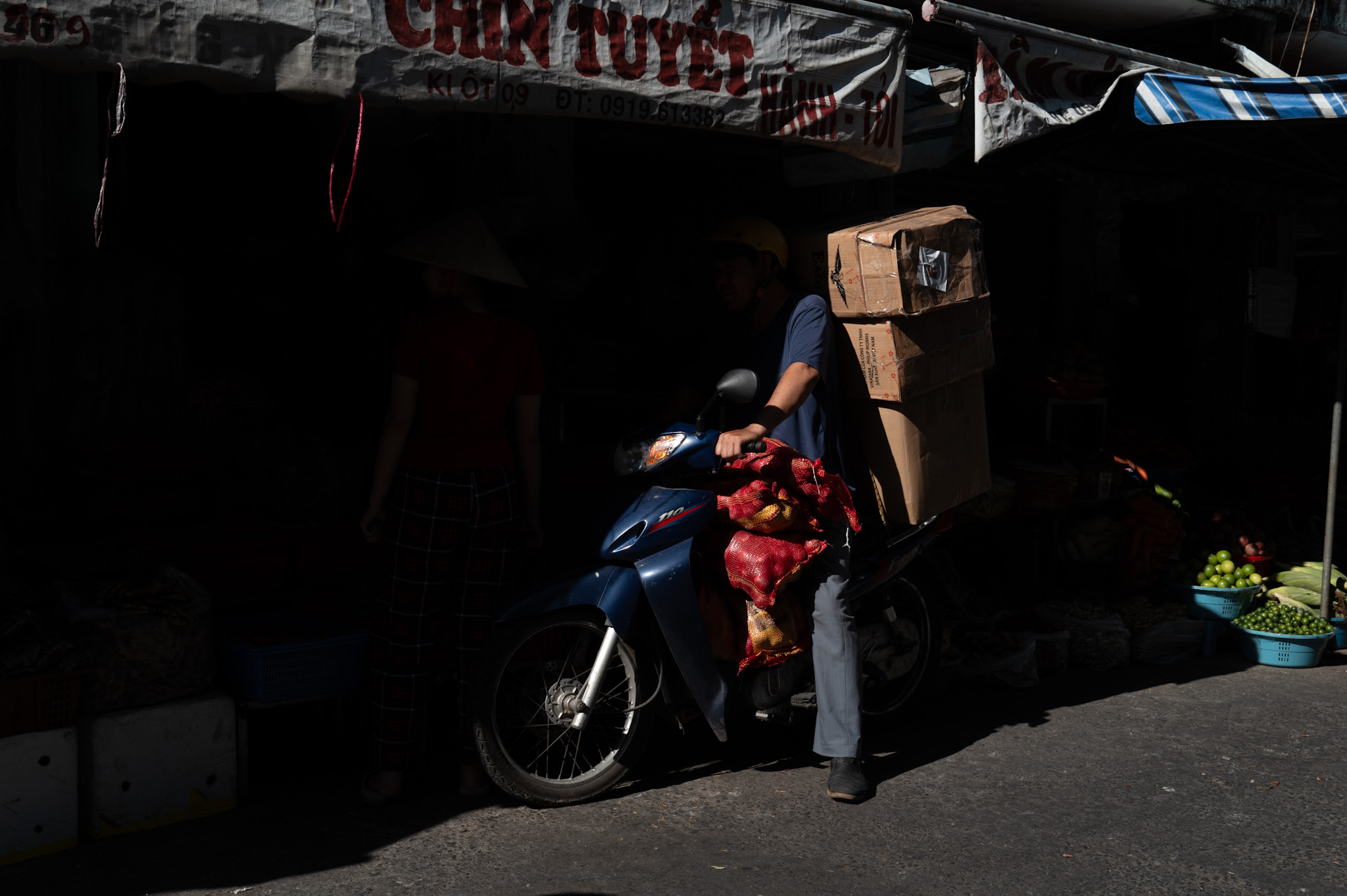
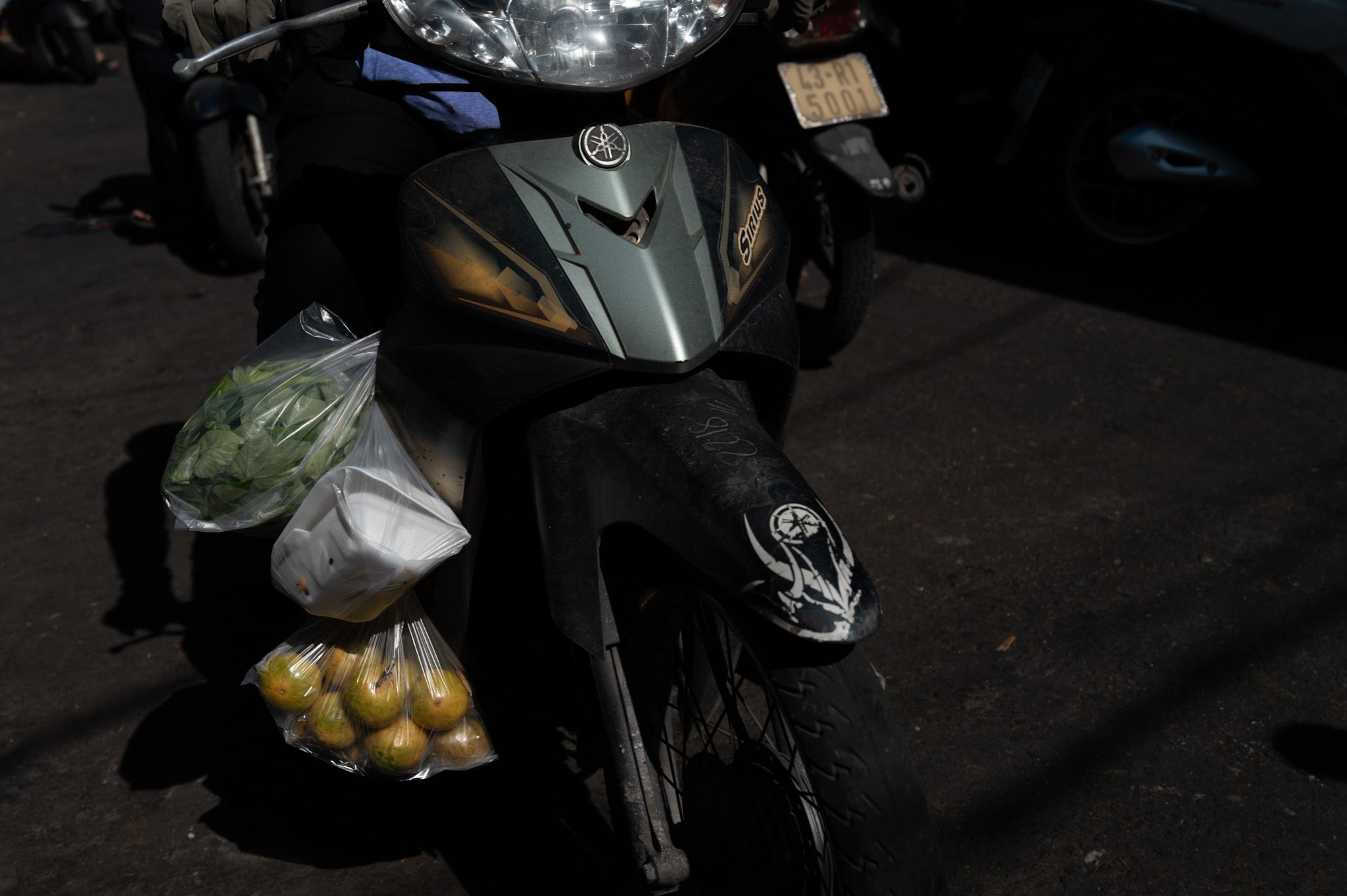
From dawn until long after sunset, millions of motorcycles weave through the country’s streets carrying not just people, but the invisible infrastructure of everyday life. Fish from the coast. Vegetables from nearby farms. Parcels ordered online. Construction materials. Schoolchildren. Office workers. Grandparents. Entire families. The motorcycle is simultaneously a logistics network, a delivery platform, a family vehicle, and a small business on wheels.
In Da Nang, this reality reveals itself everywhere.
At sunrise, fishermen return from the South China Sea and the first buyers arrive on motorcycles, loading baskets of fresh seafood onto improvised racks. An hour later, market vendors are already crossing the city carrying vegetables, noodles, and supplies. By mid-morning, delivery riders wearing the colors of Grab, Shopee, or Gojek flow through the streets like blood cells in an urban circulatory system.
Goods, people, and opportunities flow in every direction. Loads that seem impossible find a place. Against all expectations, the system keeps humming.
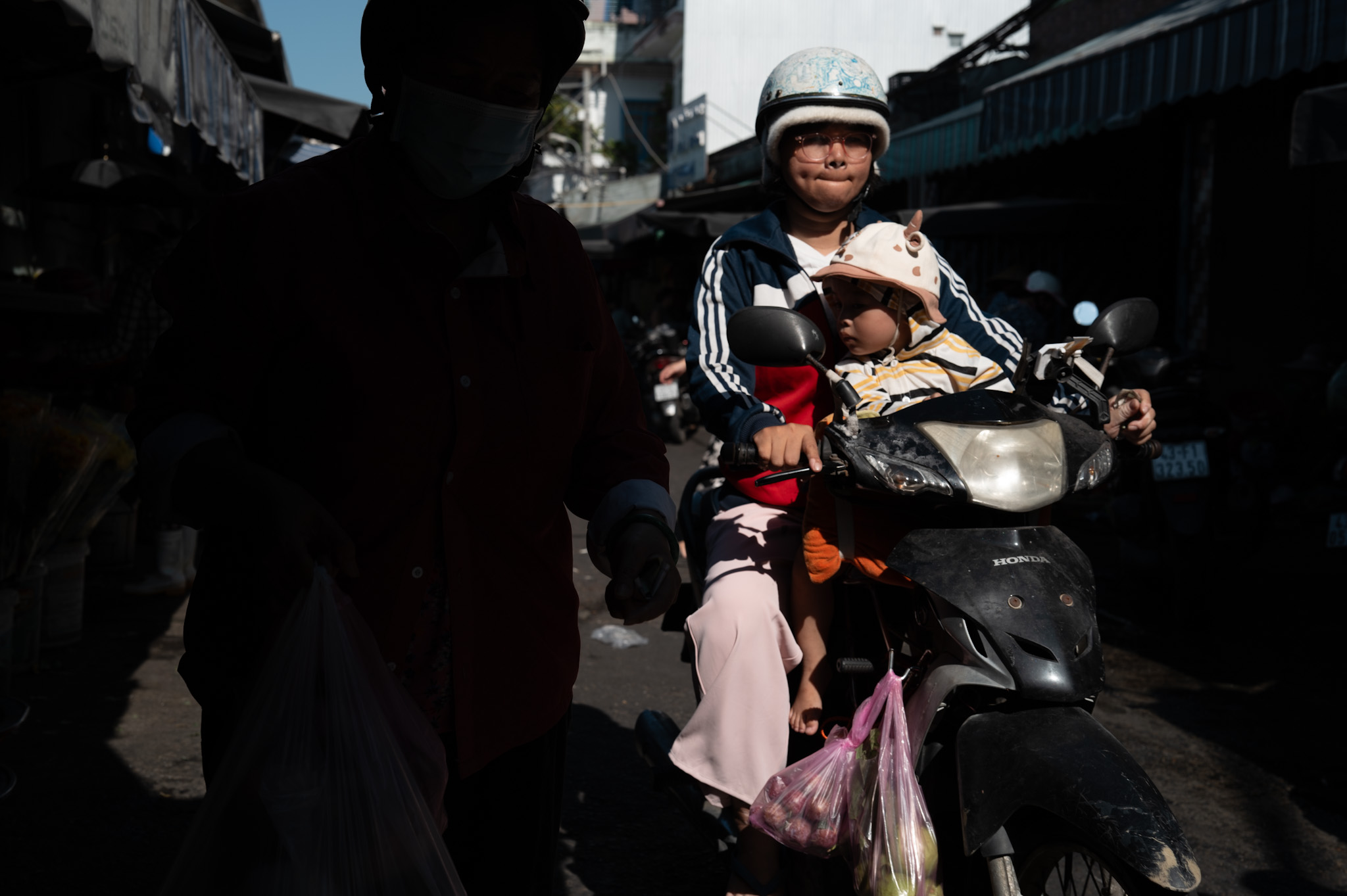
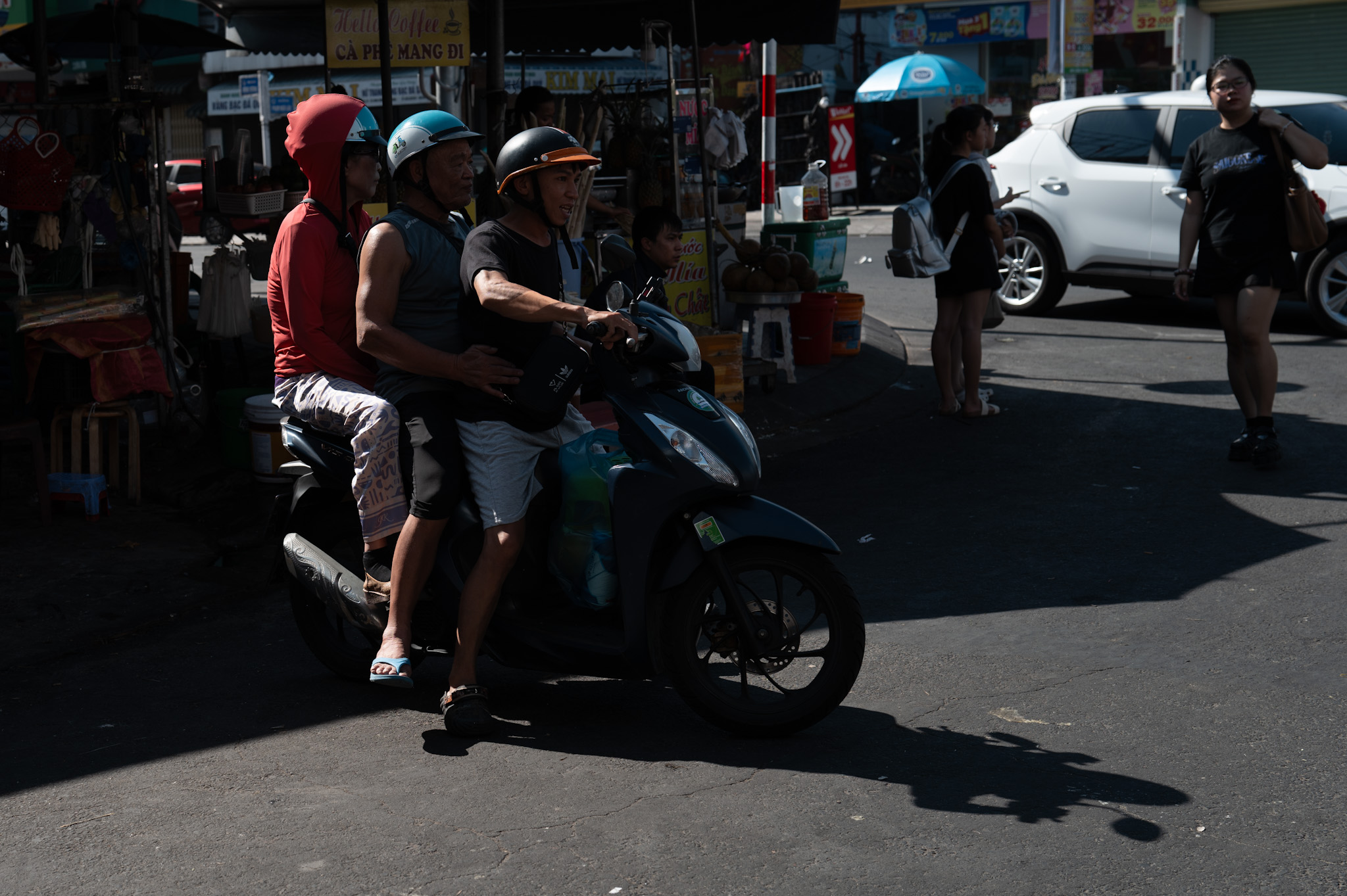
Coming from Europe, where logistics often means warehouses, trucks, distribution centers, and sophisticated software, the Vietnamese model appears almost improvised. Yet the longer one observes it, the more rational it becomes.
The motorcycle solves a problem that large systems struggle to address: the last kilometer.
It reaches narrow alleys, crowded markets, beachfront neighborhoods, and dense residential streets where larger vehicles become inefficient. It requires little infrastructure, consumes relatively little fuel, and adapts instantly to changing demand. If a restaurant needs ingredients, someone moves them. If a customer orders lunch, someone delivers it. If a family needs to transport three generations and a week’s worth of groceries, the motorcycle becomes the solution.
Not tomorrow. Now.
There is a tendency among outsiders to see Vietnam’s motorcycle culture as a transitional phase, a step on the path toward a future of cars, highways, and suburban expansion. But that interpretation misunderstands what is happening. The motorcycle is not evidence of underdevelopment. It is evidence of optimization.
Vietnam has built an economic model around flexibility. The system functions because it is decentralized, adaptive, and remarkably resilient. Every rider is both consumer and distributor. Every vehicle is simultaneously private and productive. The distinction between personal mobility and economic activity often disappears.
Photography helps reveal this hidden reality.
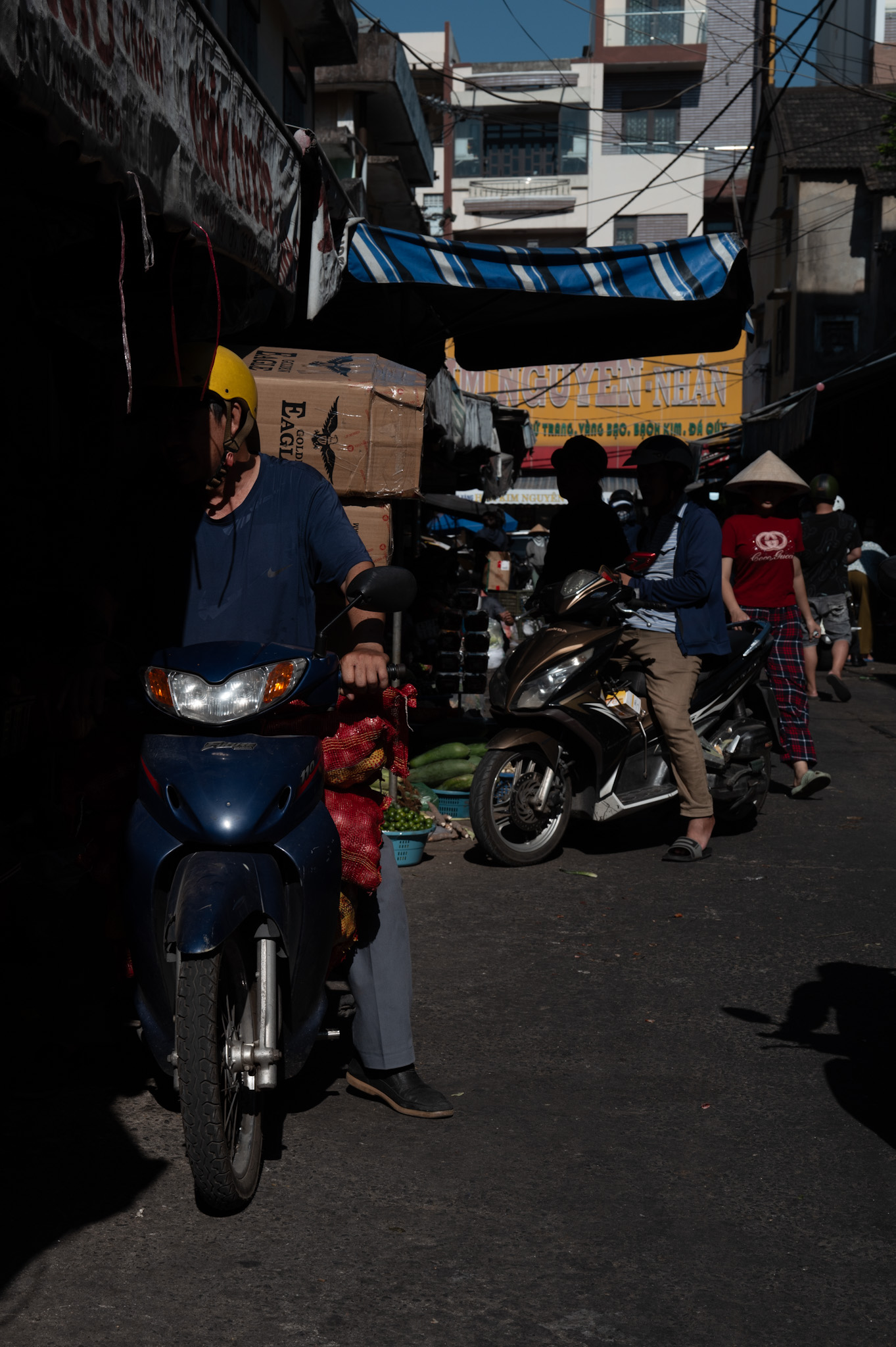
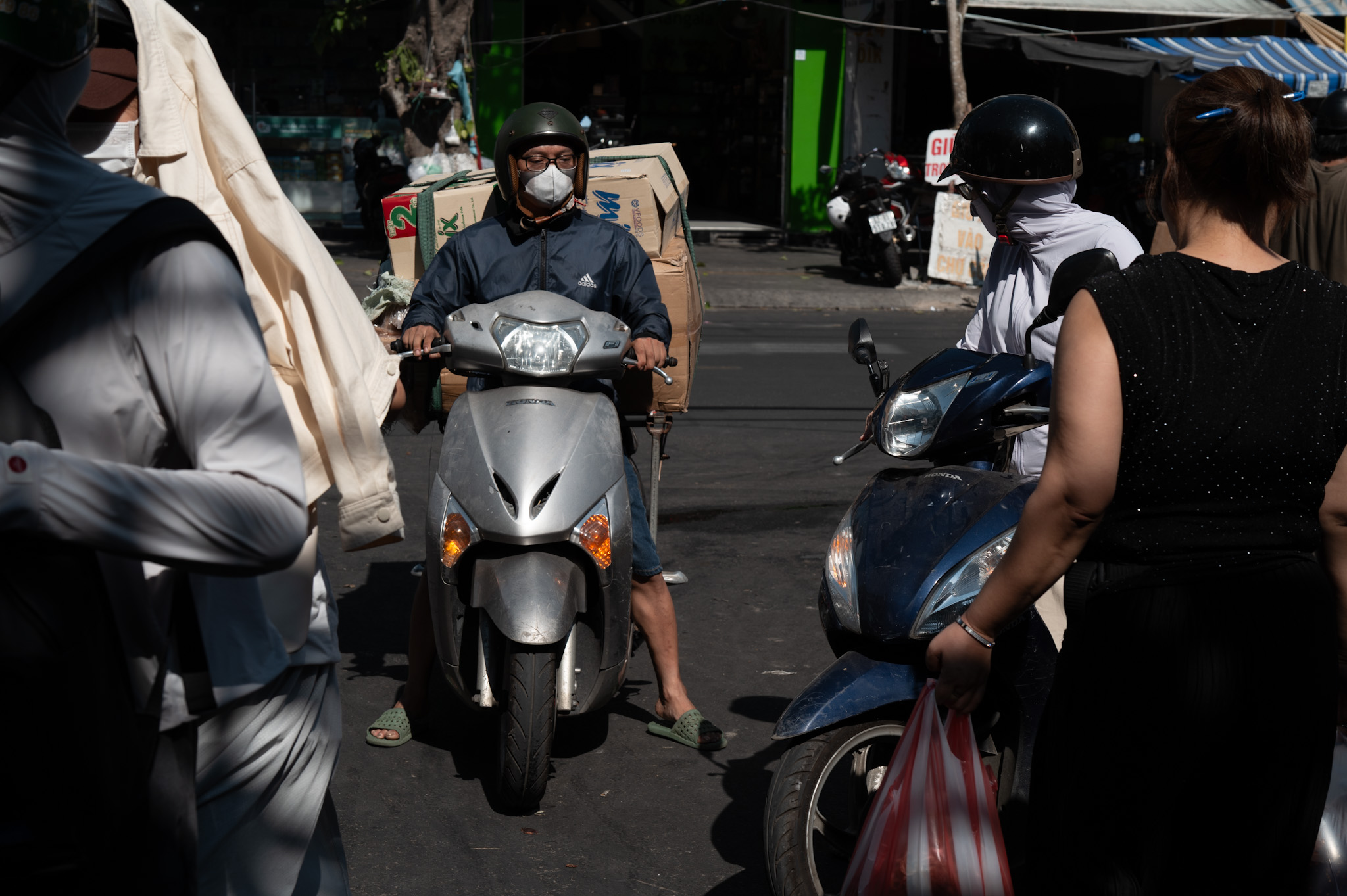
A woman balancing flowers across the back of a scooter. A man transporting plastic chairs. A family carrying groceries, schoolbags, and a sleeping child. A delivery rider checking his phone beneath a bridge. These are not isolated scenes. Together they form a portrait of how a nation moves.
The future of Vietnam will undoubtedly include more electric vehicles, larger roads, and increasingly sophisticated infrastructure. Yet for now, the country’s economic heartbeat remains audible in the soft mechanical rhythm of millions of small engines.
One cylinder at a time. One delivery at a time. One day at a time.
And perhaps that is why the streets of Da Nang feel so alive. Beneath the tourist brochures, the luxury resorts, and the new towers rising along the Han River, the real economy is still visible. It passes in front of you every few seconds.
You just have to look.
Discover more from THE QUIET REPORT
Subscribe to get the latest posts sent to your email.
