Huon Valley & Bruny Island
Lascio Hobart in direzione West e percorro la highway (secondo la definizione Tasmana) fino a Huonville, dove devio sulla penisola che costeggia la foce dello Huon River e poi il canale di mare che separa Bruny Island. Abbandono la strada principale per seguire la costiera dove, tra salmon farms, coltivazioni di meli e vite, si aprono degli scorci di fiume spettacolari.
Arrivato al capo di Verona Sands, si risale fino a Woodbridge e poi Kettering (paesi di rispettivamente 18 e 12 anime in alta stagione) da dove ci si imbarca sul ferry per Bruny Island. L’isola si presenta interessante per una serie di percorsi a piedi che danno un primo assaggio della leggendaria vocazione naturalistica della Tasmania.
La sottile lingua di terra che collega i due corpi principali di Bruny Island offre un panorama a 360 gradi sull’oceano verso East e della laguna a West che si affaccia sul’Entrecasteaux Channel. Passate le coltivazioni di Ostriche della Getshucked Farm: girando a sinistra si scende nella Adventure Bay che commemora con un monumento (l’insegna per trovarlo è più grande del monumento stesso) allo sbarco di Cook.
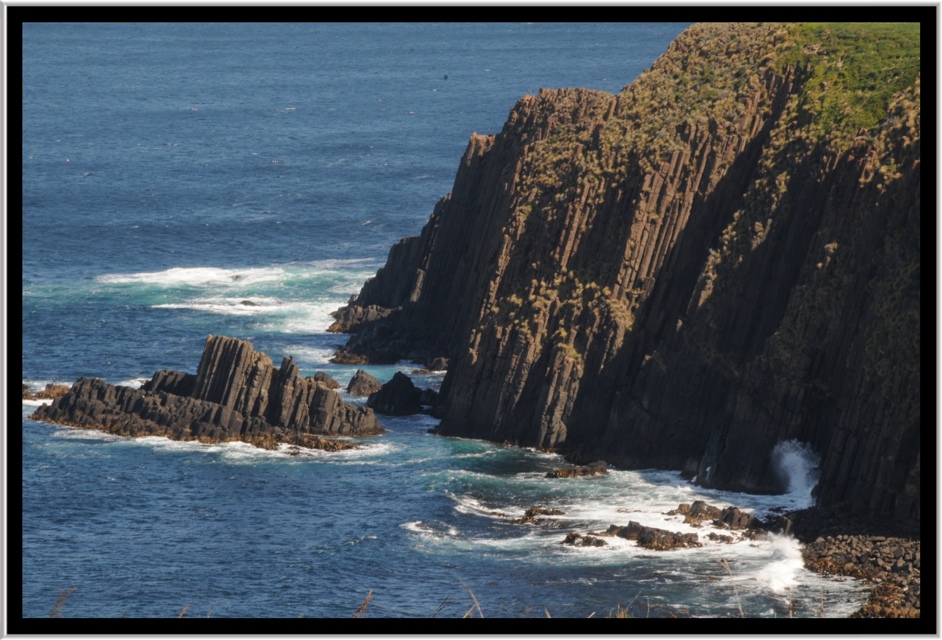
Attraversando la Bruny Forrest di eucalipti si raggiunge Lunawanna per poi entrare nello South Bruny National Park che offre escursioni sulle cliffs (pericolose ma spettacolari) e permette di raggiungere il capo più meridionale dove, fino al 1996, un faro garantiva gli equipaggi conto i frequentissimi affondamenti sulle roccie di Standway Bay.
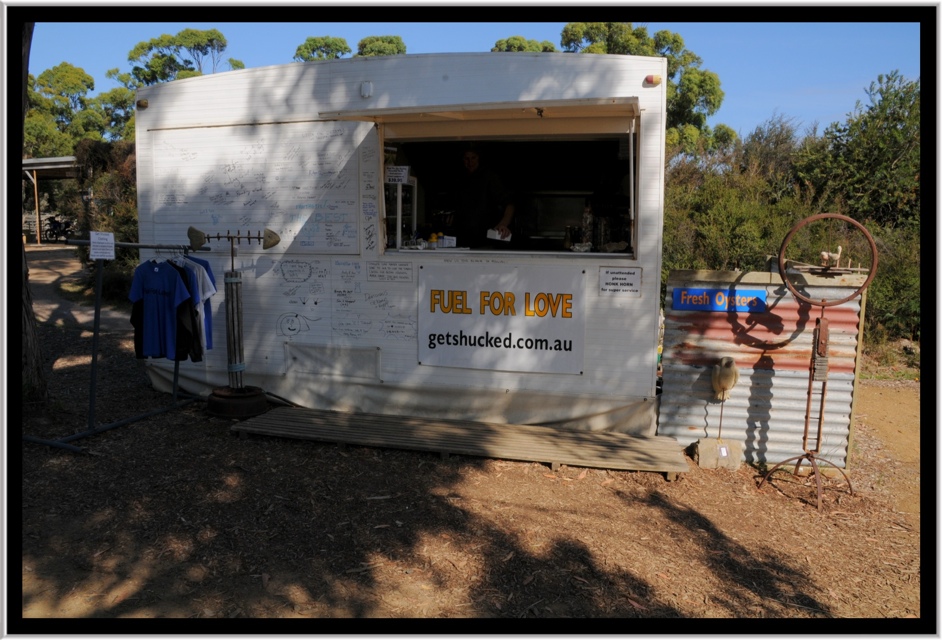
Sulla strada del ritorno, pellegrinaggio mistico alla Getshucked Farm, un baracchino, gestito dal proprietario dell’allevamento Joe Bennet, che per 12$ vi apre (“aprire le ostriche” in Ozzie si dice “to shuck”) una dozzina di fantastiche Tasmanian Oysters (vedi il sito http://www.getshucked.com.au): considerandolo solo un antipasto si può poi gustare salmone e trote affumicati da BISH (Bruny Island Smoking House, http://www.brunyislandsmokehouse.com.au) con i gestori che offrono una squisita ospitalità (oltre ad una pinta di Cascade Draft).





Discover more from THE QUIET REPORT
Subscribe to get the latest posts sent to your email.

complimenti Manu è tutto stupendo…………..
peccato che non conosco l’inglese per apprezzare di più ………….
un abbraccio
ugo
Grazie mitico Ugo!
Che bei posti…
La Tasmania è spettacolare …