La peste e le bombe
Written by Maurizio “Mau” Vagnozzi
Tra il 1400 e il 1600 una nuova serie di epidemie di peste si diffusero in Europa e in Italia, nessuna arrivò alla virulenza pandemica della “Peste Nera” che, tra il 1347 e il 1353 lasciò 100 milioni di morti dopo il suo passaggio. Unico modo di arginare il contagio era la fuga in aree remote ove la diffusione del batterio era meno provabile.
I monti e le valli alle spalle di Genova portano ancora oggi tracce di questa fuga. Ieri sono salito in Val Brevenna, vicino a Casella: un santuario è sorto nel luogo ove, nel 1584 secondo la tradizione/leggenda, durante un’epidemia di peste, una ragazza del borgo di Ravino, colpita dal contagio e seguendo una voce che ripeteva “Salus Infirmorum, ora pro nobis (Salute degli infermi, prega per noi)”, guarì grazie all’acqua della fonte.
La tradizione vuole che anche il parroco di Pareto, provò la stessa miracolosa guarigione dopo aver bevuto l’acqua della fonte. La prima piccola cappella in legno subito costruita a testimonianza di fede fu sostituita, nel 1744, dall’attuale santuario: una piccola chiesa a navata unica con un portico antistante e poi, nel 1908-1909 l’ospizio dei pellegrini. Sull’altare si trova la statua marmorea di Nostra Signora dell’Acqua, o Madonna dei Tartari, opera di un ignoto artista genovese dei primi anni del Settecento.
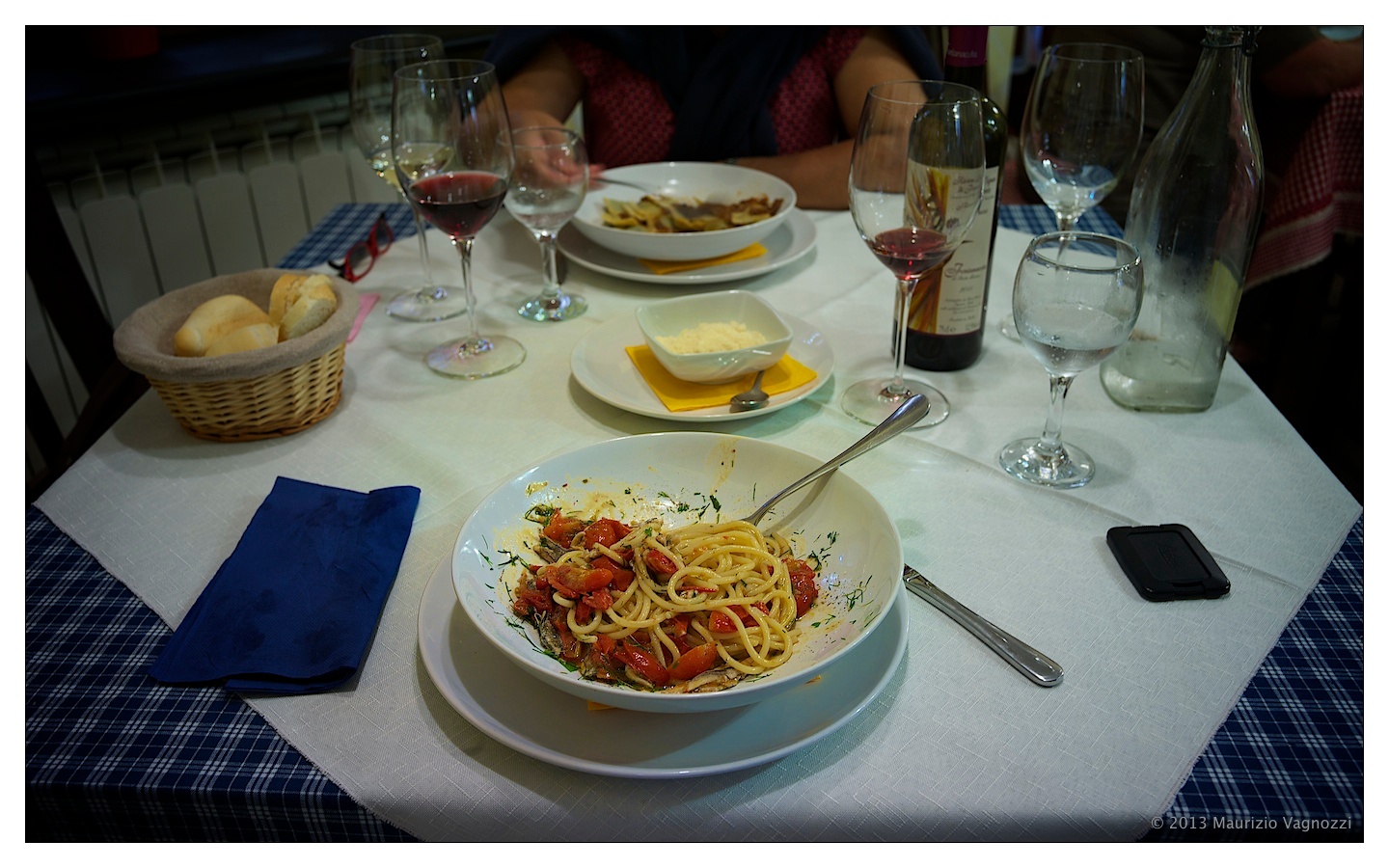
Più di recente, durante la Seconda Guerra Mondiale, le valli intorno a Casella sono stai luoghi di destinazione per le famiglie in fuga dai bombardamenti. Adesso invece è una meta eno-gastronomica e ci si riesce a devastare in modo divino!
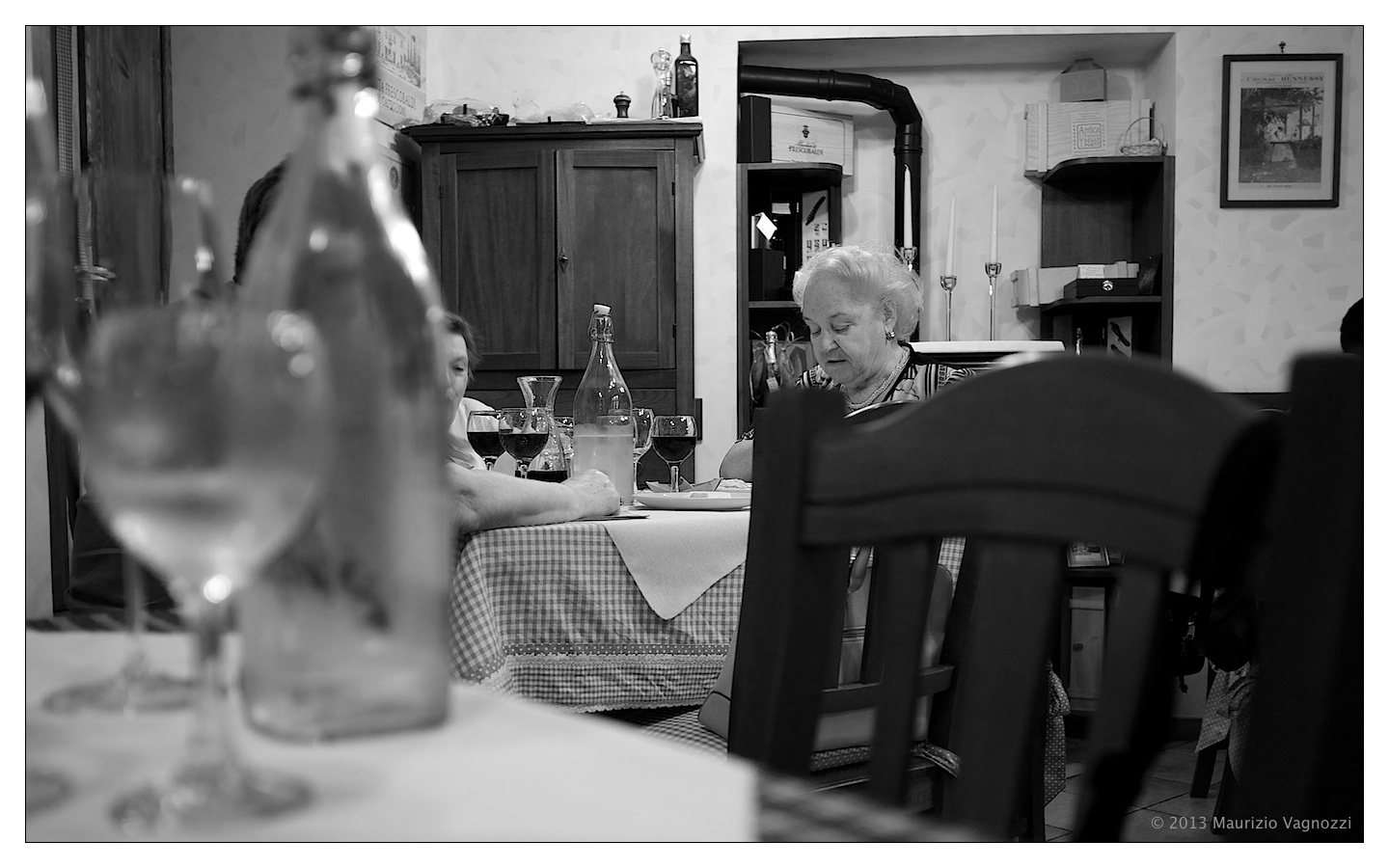
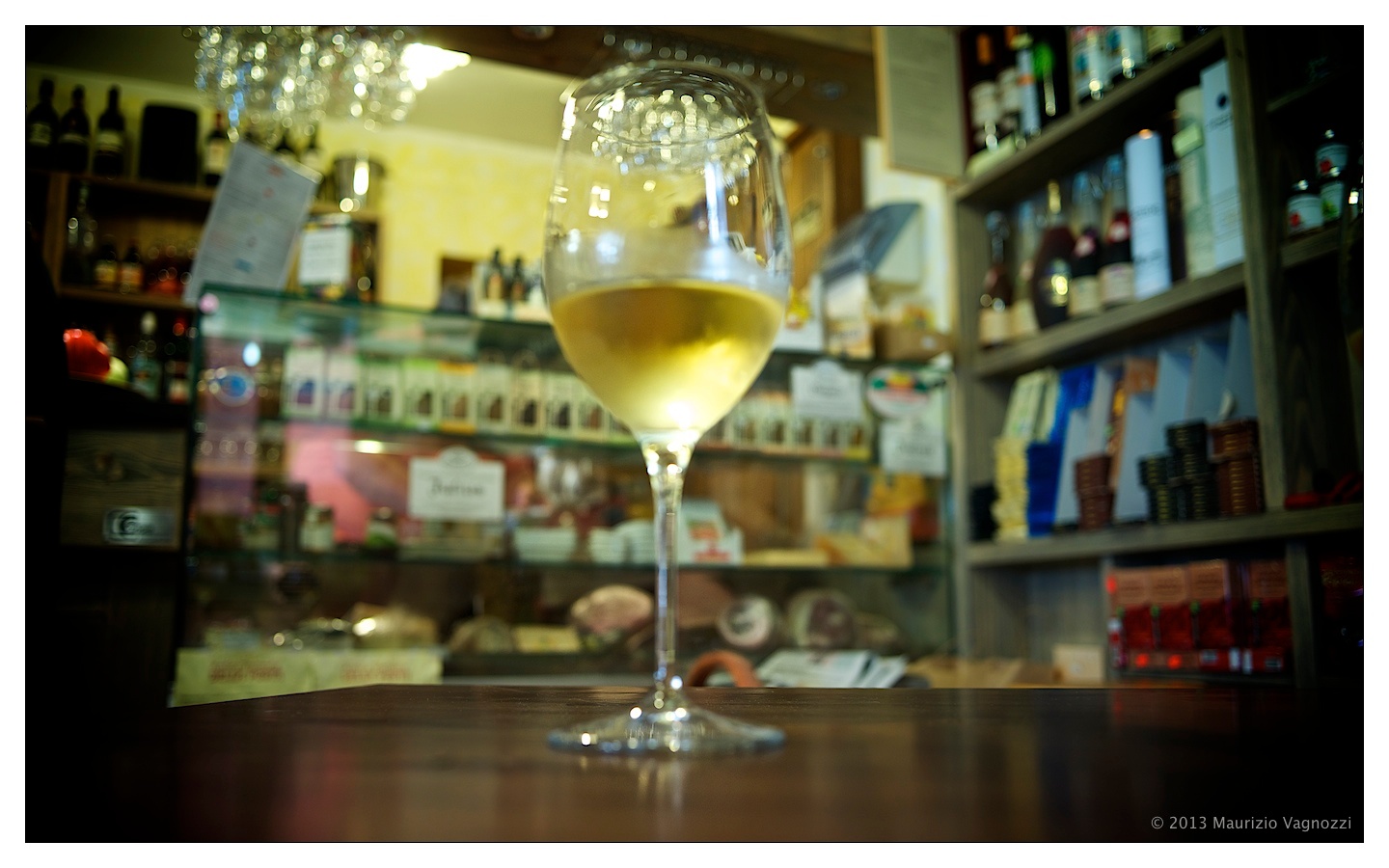
Immagini di oggi: la tradizionale abbuffata di Ferragosto che mi ha portato, appunto, a Casella ….



Discover more from THE QUIET REPORT
Subscribe to get the latest posts sent to your email.
