At first glance, Da Nang still feels like a Vietnamese city.
The fishermen are there before dawn, pulling in their nets along My Khe Beach. Grandmothers gather around steaming bowls of mì Quảng. Families ride motorbikes in impossible formations, carrying children, groceries and sometimes entire household inventories. The Han River still divides the city with the calm certainty of geography.
Yet something fundamental is changing.
Over the last decade, Da Nang has become one of Southeast Asia’s most successful experiments in urban reinvention. Long overshadowed by Hanoi’s political weight and Ho Chi Minh City’s economic dynamism, the city has quietly positioned itself as a destination for a new kind of migrant: remote workers, entrepreneurs, digital nomads and lifestyle expatriates searching for a place that offers tropical weather, modern infrastructure and a lower cost of living than Singapore, Hong Kong or even Bangkok.
The transformation is visible block by block.
The coffee shops along An Thuong are no longer serving only Vietnamese iced coffee. They are filled with laptops, video calls and conversations conducted in English, Korean, Russian and increasingly European languages. Entire streets have evolved to serve foreign residents rather than short-term tourists. Yoga studios, vegan cafés, co-working spaces and boutique fitness centers have become as common as traditional eateries.
Unlike Bali, where overtourism has become a political issue, or Chiang Mai, where digital nomads have become part of the urban landscape, Da Nang still feels as though it is in the early stages of this transition. The city remains affordable, relatively relaxed and distinctly Vietnamese.
That may not last.
Vietnam has progressively improved its framework for remote workers and long-stay visitors. While the country does not yet offer a dedicated digital nomad visa comparable to those introduced by Portugal or Thailand, visa policies have become more flexible, international connectivity continues to improve and local authorities increasingly recognize the economic value of foreign professionals who bring income without competing directly for local jobs.
For Da Nang, the appeal is obvious.
The city offers beaches, reliable internet, an international airport, proximity to the cultural heritage of Hoi An and Hue, and a level of urban convenience that would have been unimaginable twenty years ago. For many foreigners, it represents a version of Asia that feels both authentic and accessible.
But every migration wave carries consequences.
The first impact is economic. Property prices around the beachfront districts have already increased significantly. Businesses adapt to foreign tastes because foreigners often have greater purchasing power. English becomes more valuable than local dialects. Entire neighborhoods begin to orient themselves toward external demand.
The second impact is cultural.
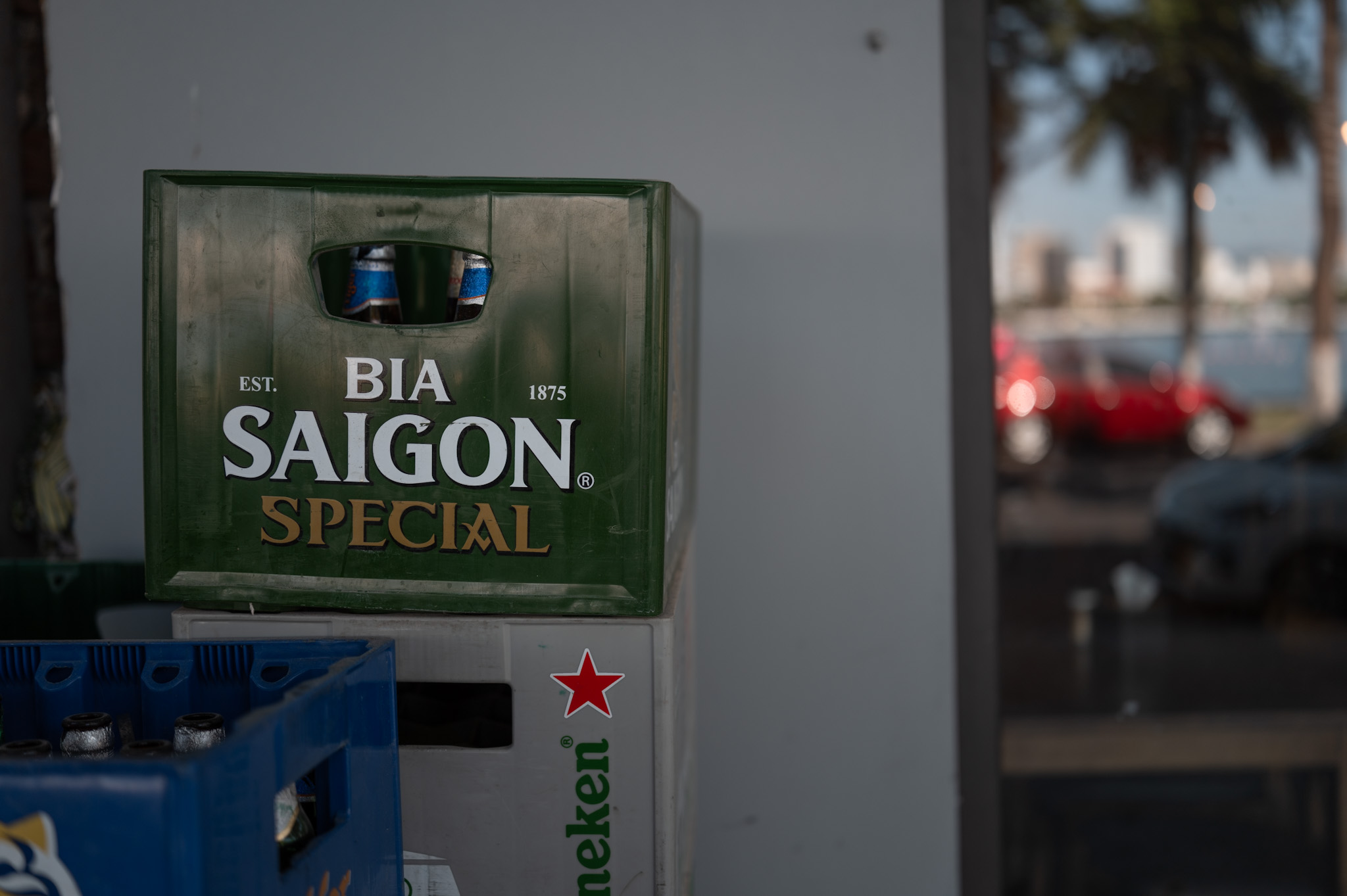

Vietnam’s strength has long been its resilience and strong sense of identity. Yet culture rarely disappears suddenly; it changes gradually through thousands of small adjustments. Menus become bilingual. Traditional shops become cafés. Family houses become short-term rentals. Community spaces evolve into commercial spaces.
None of this is inherently negative. Cities have always changed through exchange.
The real question is whether Da Nang can maintain the balance that makes it attractive in the first place. The danger is not that foreign residents will destroy local culture. The greater risk is that success may slowly transform the city into a generic global destination, one that looks increasingly similar to dozens of other lifestyle hubs around the world.
Walking along the beach at sunrise, however, that future still feels distant.
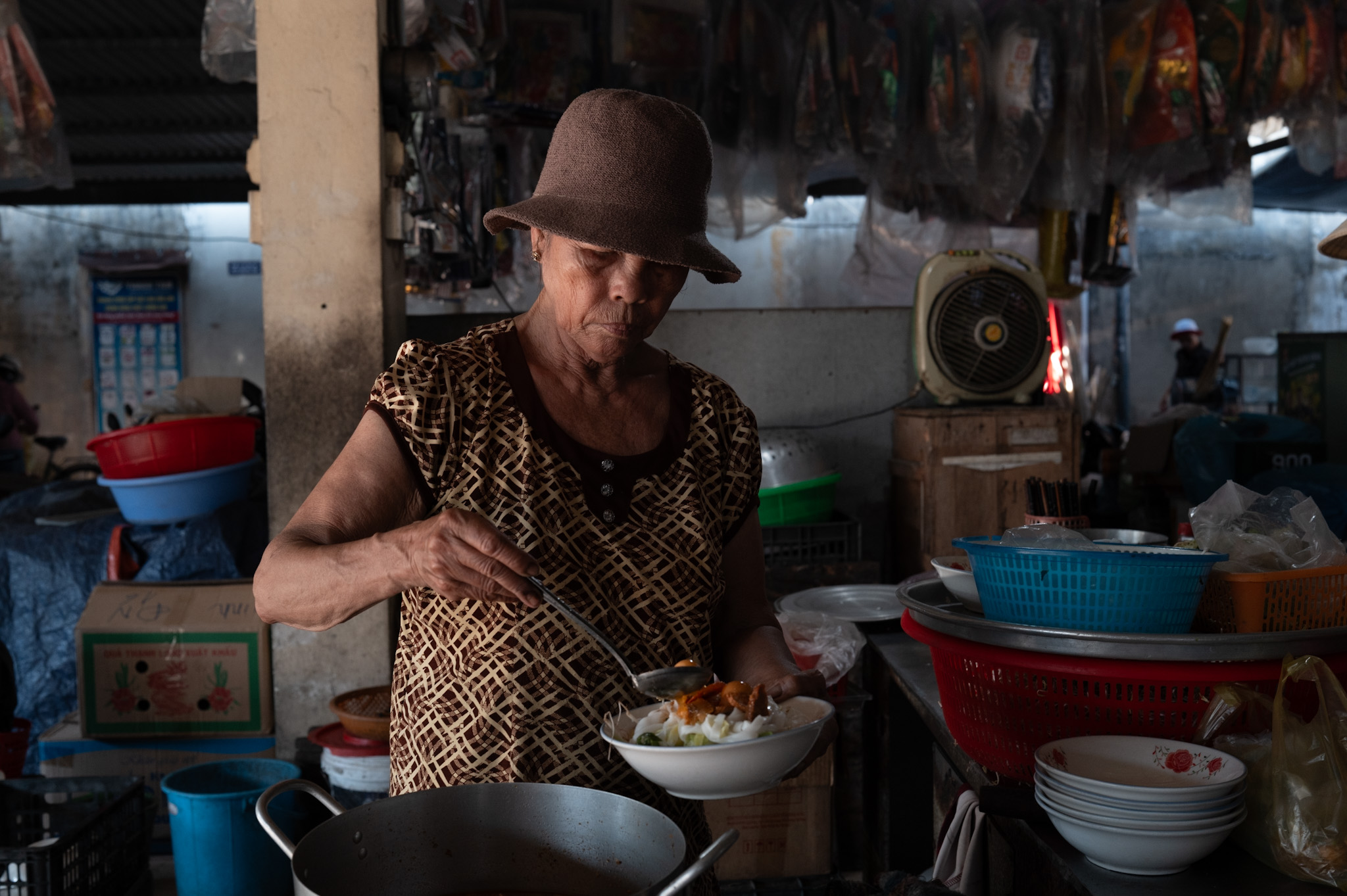
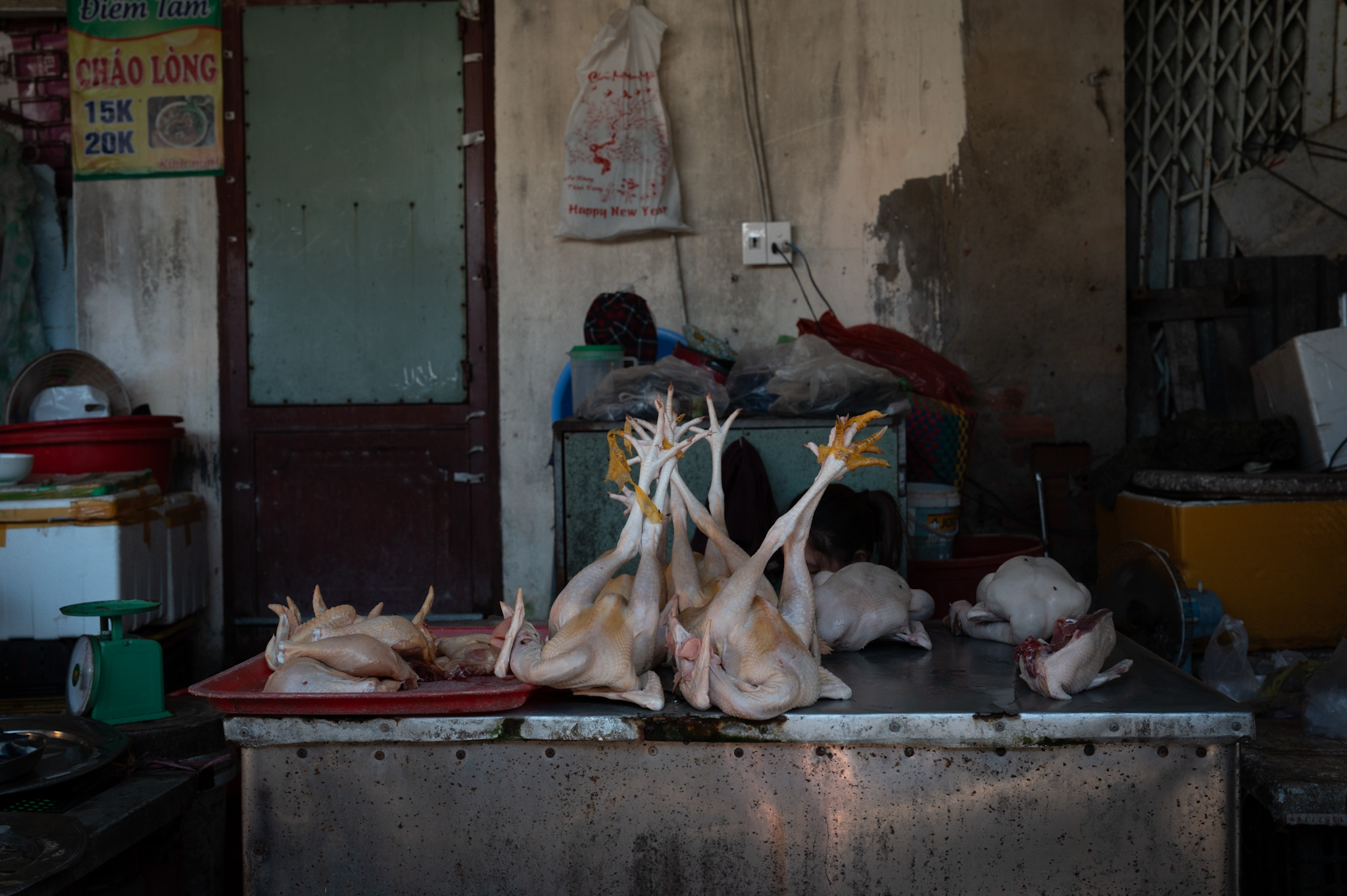
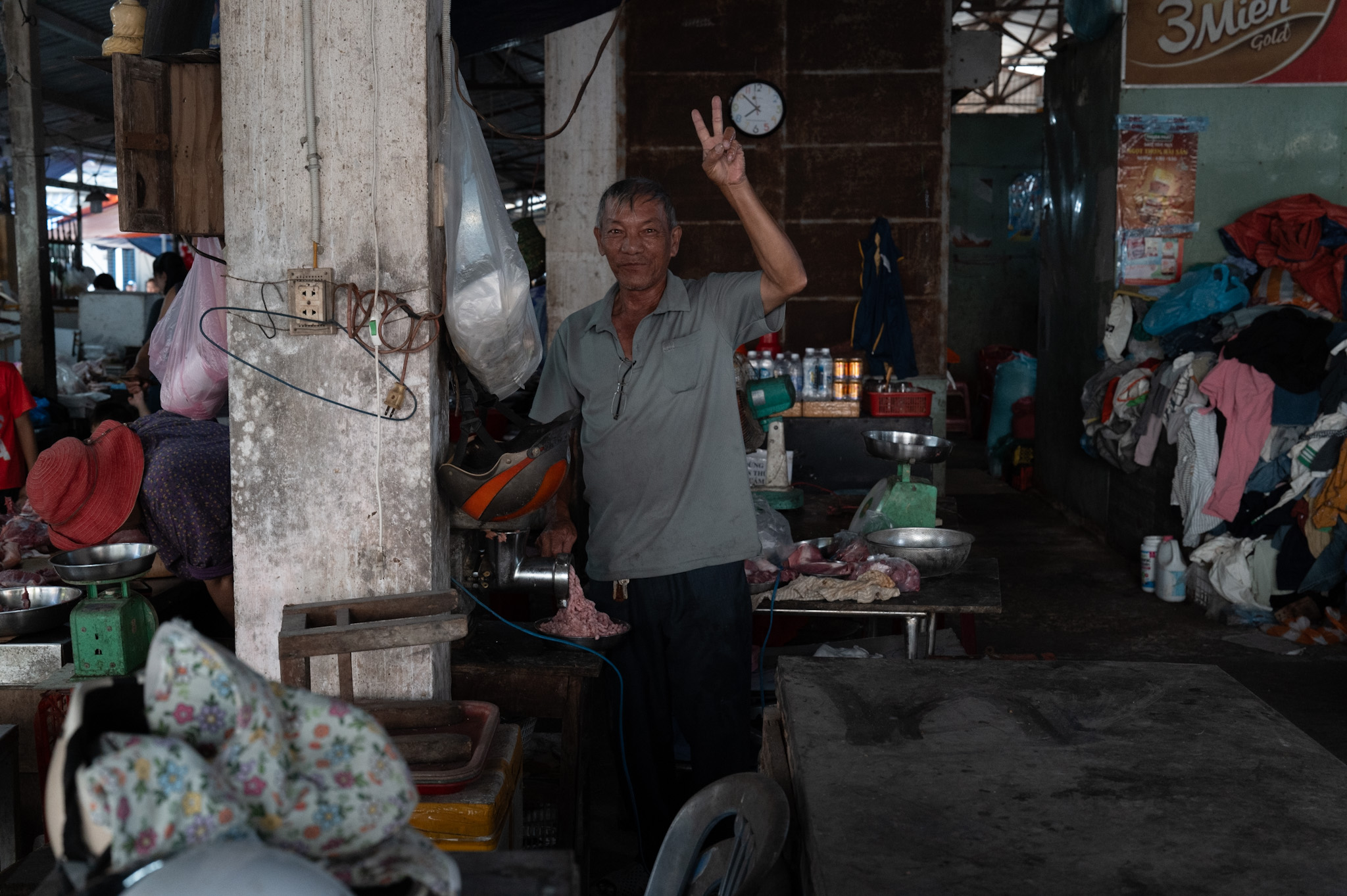
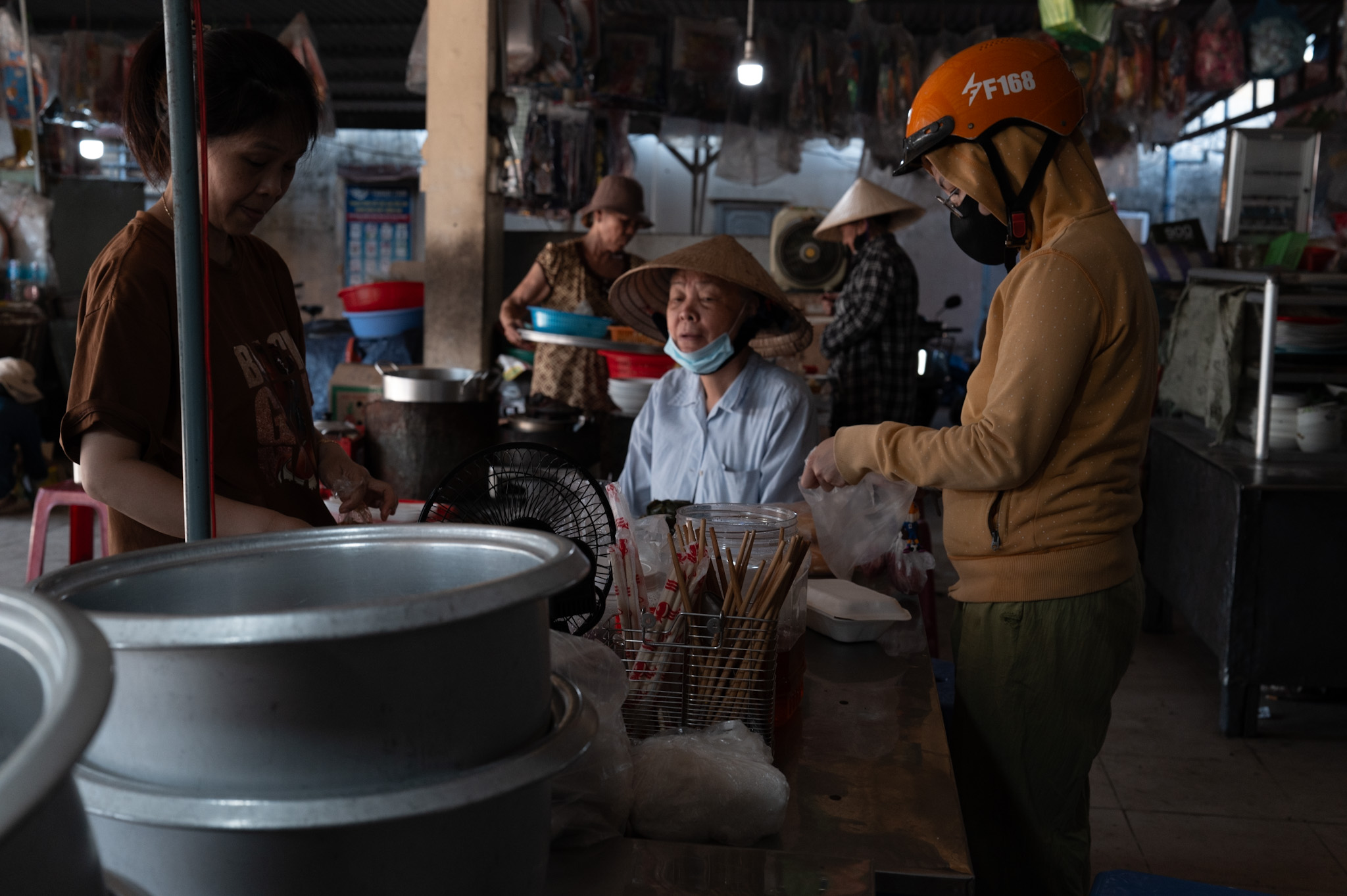
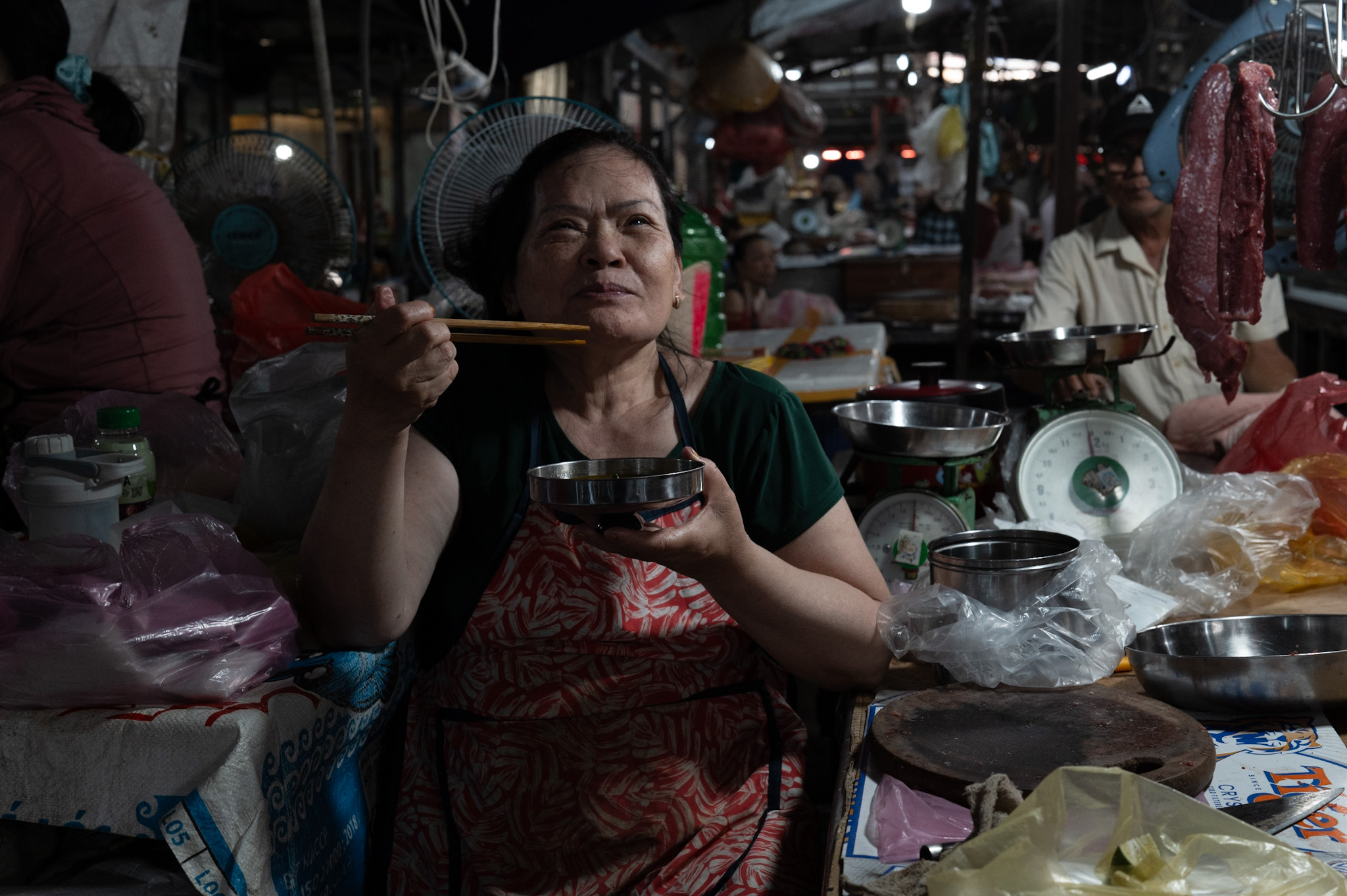
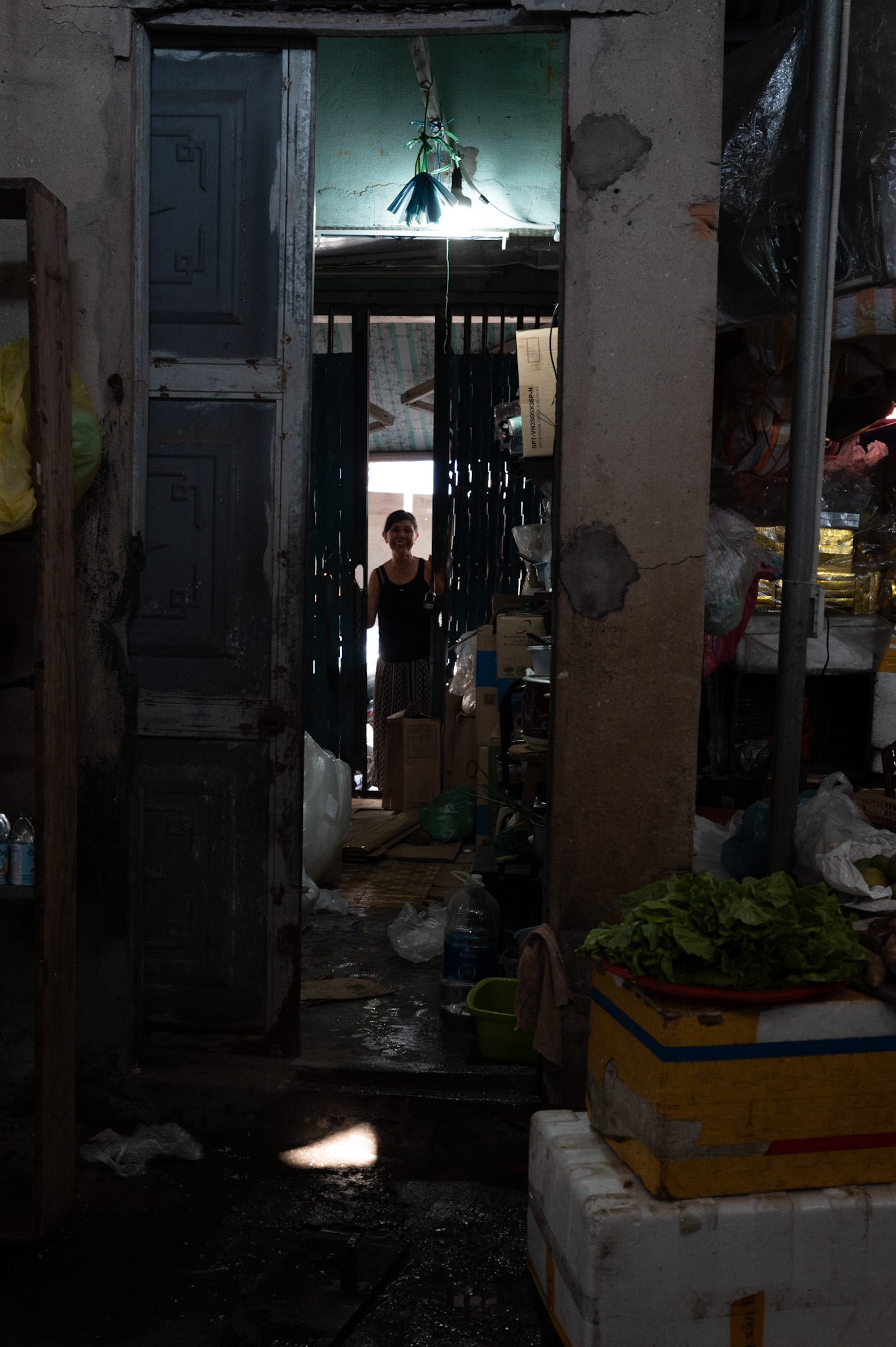
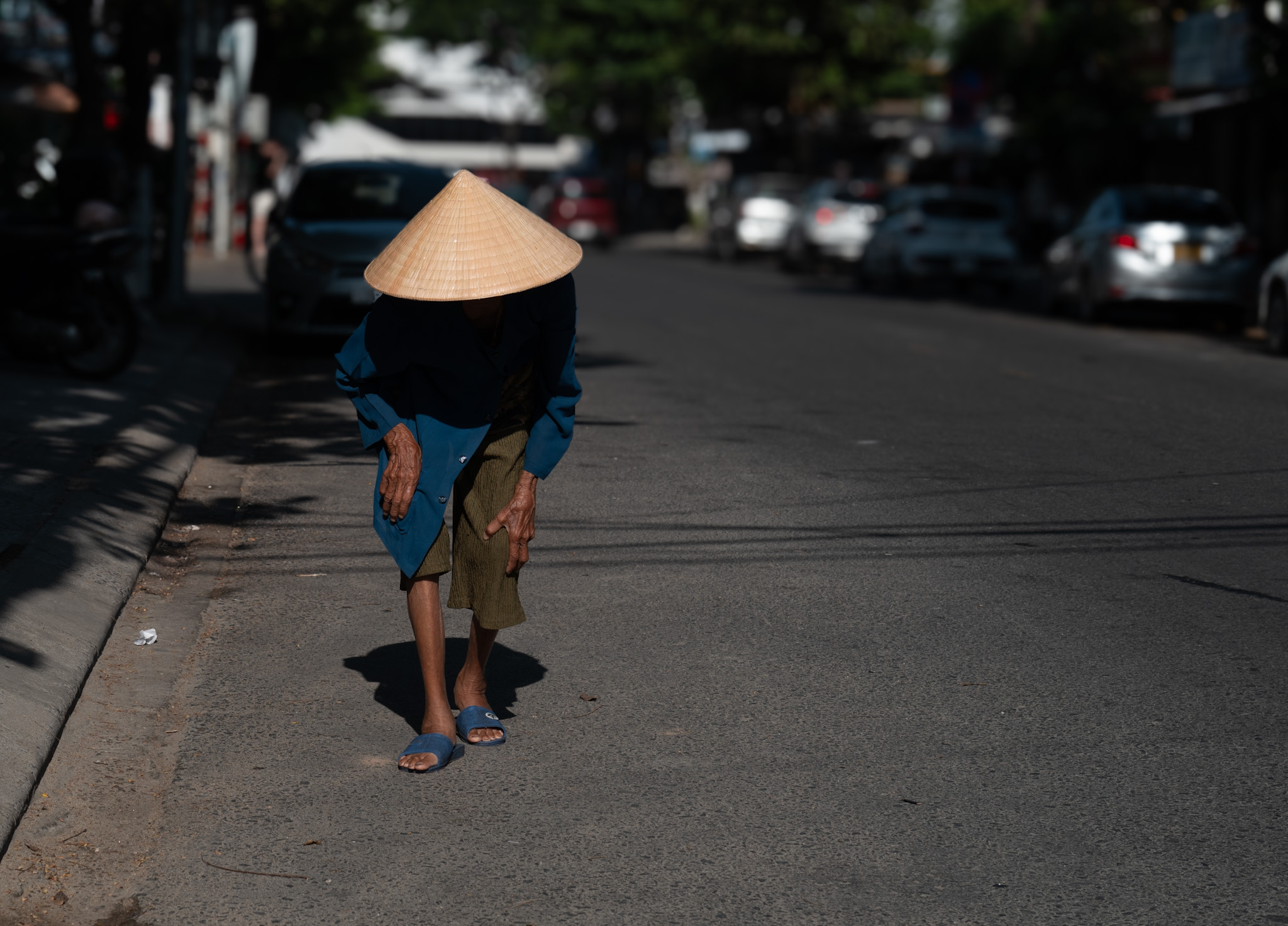
The fishing boats continue to return. Elderly residents still practice tai chi on the sand. The wet market, where I have shoot the photos published here, is still real, and people are smiling at me. The city remains unmistakably Vietnamese.
For now, Da Nang is not losing its identity. It is negotiating it. And that negotiation may become one of the most interesting urban stories in Southeast Asia over the next decade.
I am back to Vietnam, two years after the last visit, when my journey took me to the country’s northern frontier along the border with China, and through the narrow streets of Hanoi’s Old Quarter.
This time I am in Da Nang, a city at the crossroads of history and transformation, to document the rapid evolution of a country that continues to reinvent itself. Vietnam offers a compelling lens through which to observe the shifting dynamics of a world increasingly shaped by the disruption of the established global order and the emergence of new economic, social and geopolitical realities.
Photos: Leica Q3 43
Discover more from THE QUIET REPORT
Subscribe to get the latest posts sent to your email.
