History is often remembered through monuments, speeches, and official ceremonies. Yet some of its most powerful symbols are surprisingly ordinary. A loaf of bread. A shared bottle of wine. Or a plate of pasta.
The Pastasciutta Partigiana is one of those symbols.
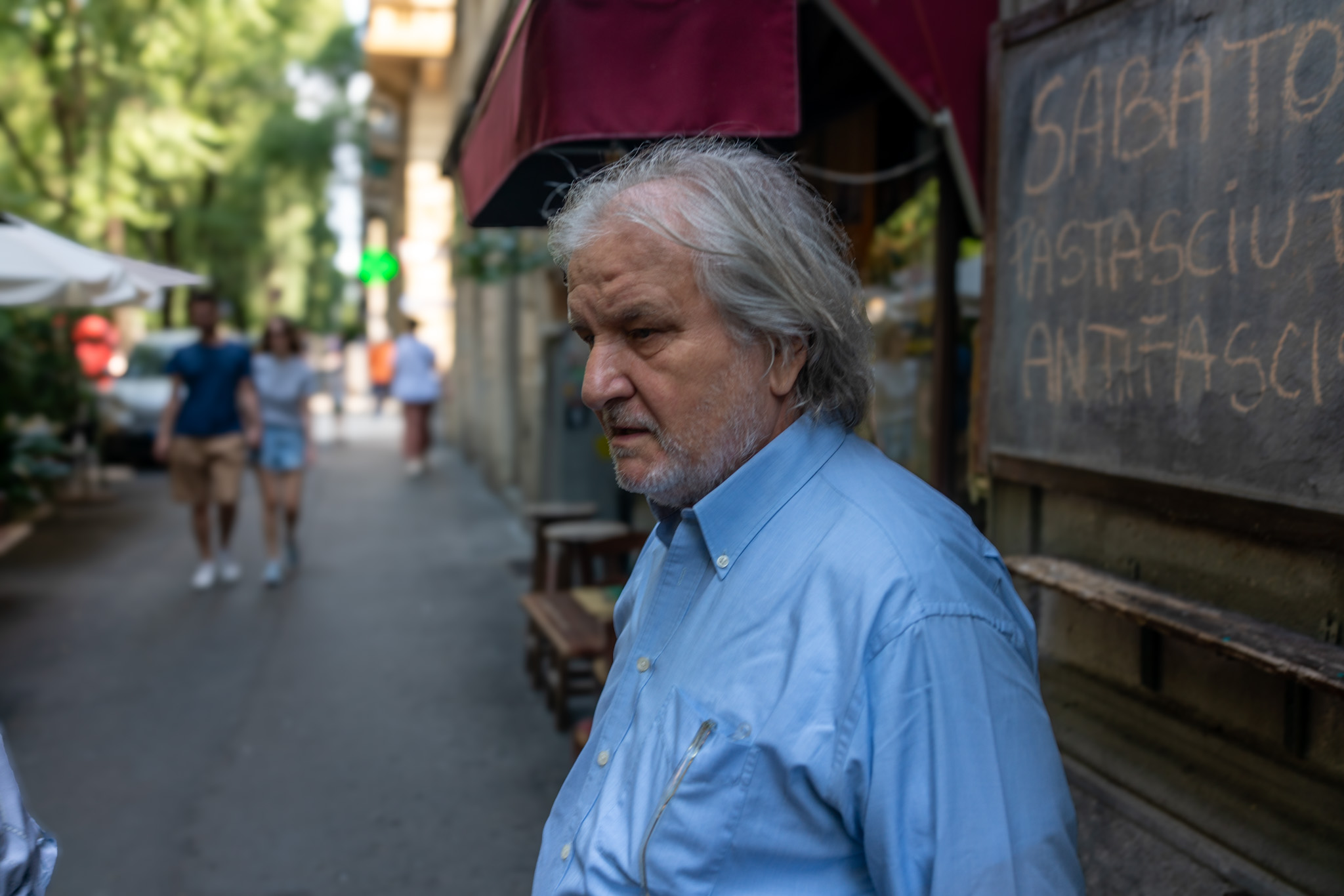
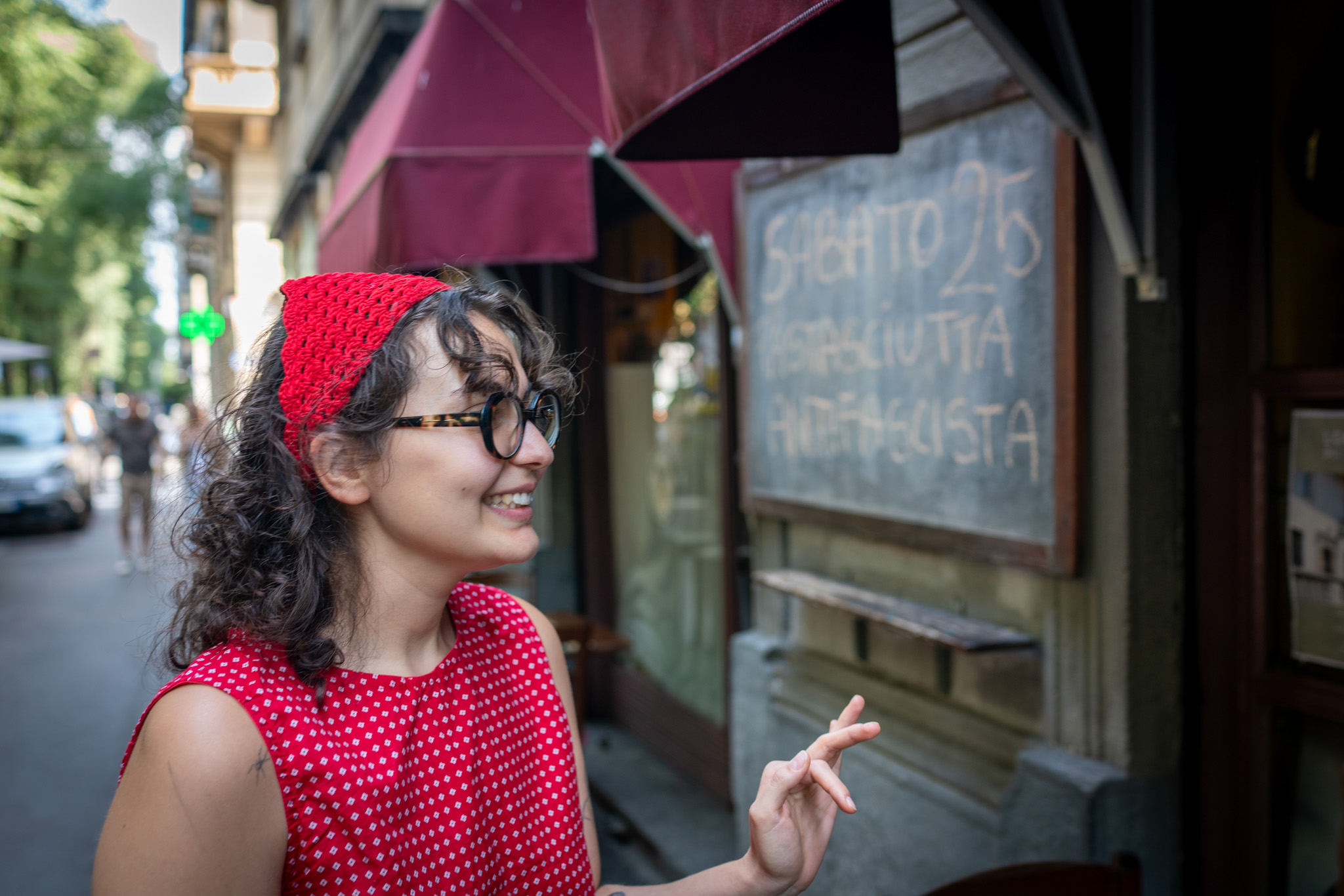
On 25 July 1943, after twenty-one years of Fascist dictatorship, news spread through Italy that Benito Mussolini had been dismissed and arrested following the vote of the Grand Council of Fascism. The war was far from over, Nazi occupation and the Italian Social Republic would soon bring even greater suffering, and nobody could yet know that true liberation was still almost two years away. Yet, for one brief moment, hope returned.
In Campegine, in the province of Reggio Emilia, the Cervi family decided that such a moment deserved to be celebrated not with speeches, but with generosity. Despite wartime shortages and rationing, they obtained flour, butter and Parmigiano on credit, prepared hundreds of kilograms of pasta, loaded it onto carts and distributed it freely to the entire village. Men, women and children gathered around a meal that, in ordinary times, would have seemed unremarkable. On that day, however, every forkful tasted of possibility.
The gesture was profoundly political without being violent. It affirmed that freedom is something to be shared, not possessed. Food became a language of equality, bringing together farmers, workers and families around the same table. In a country exhausted by dictatorship, hunger and fear, offering pasta to strangers was an act of confidence in a different future.
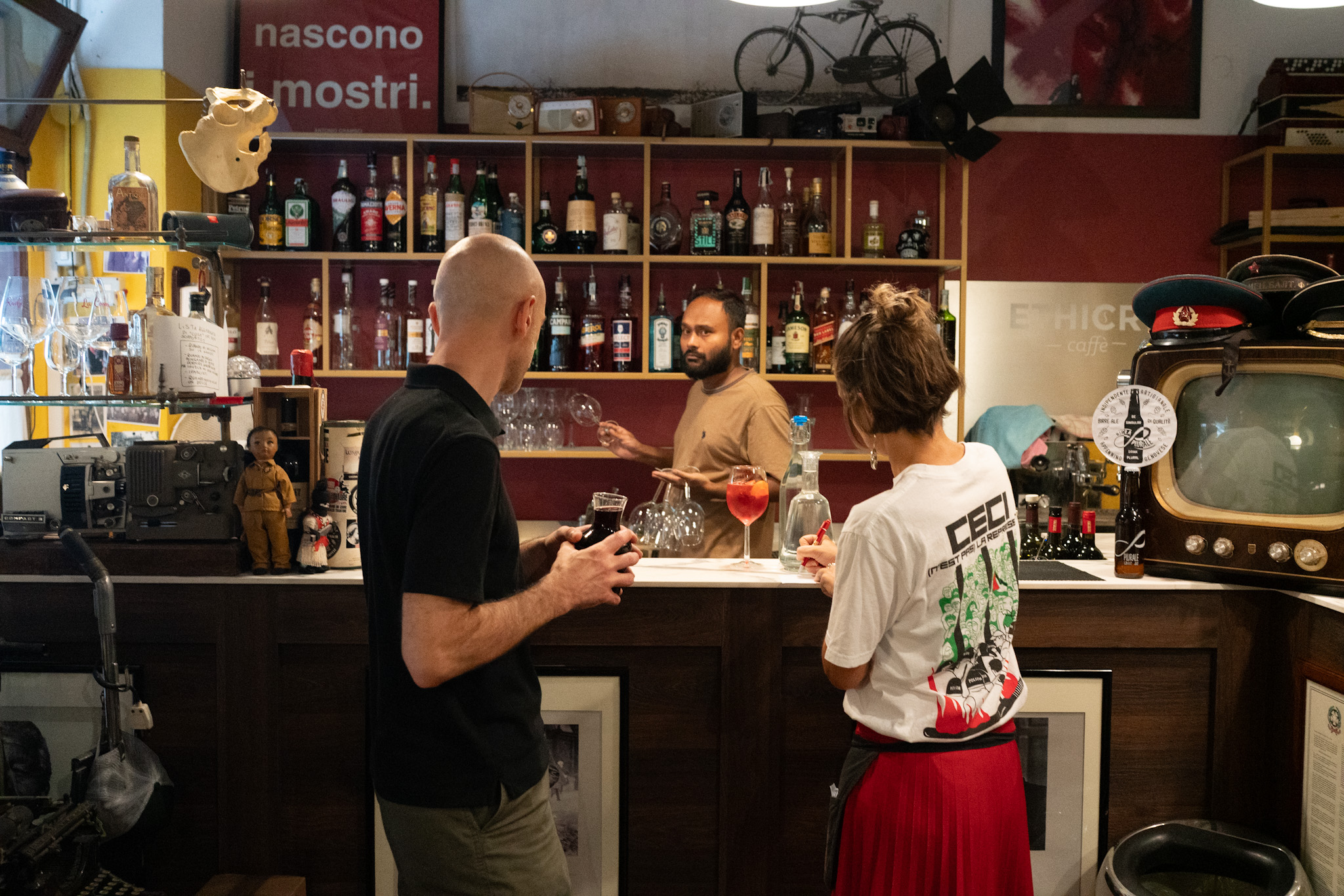
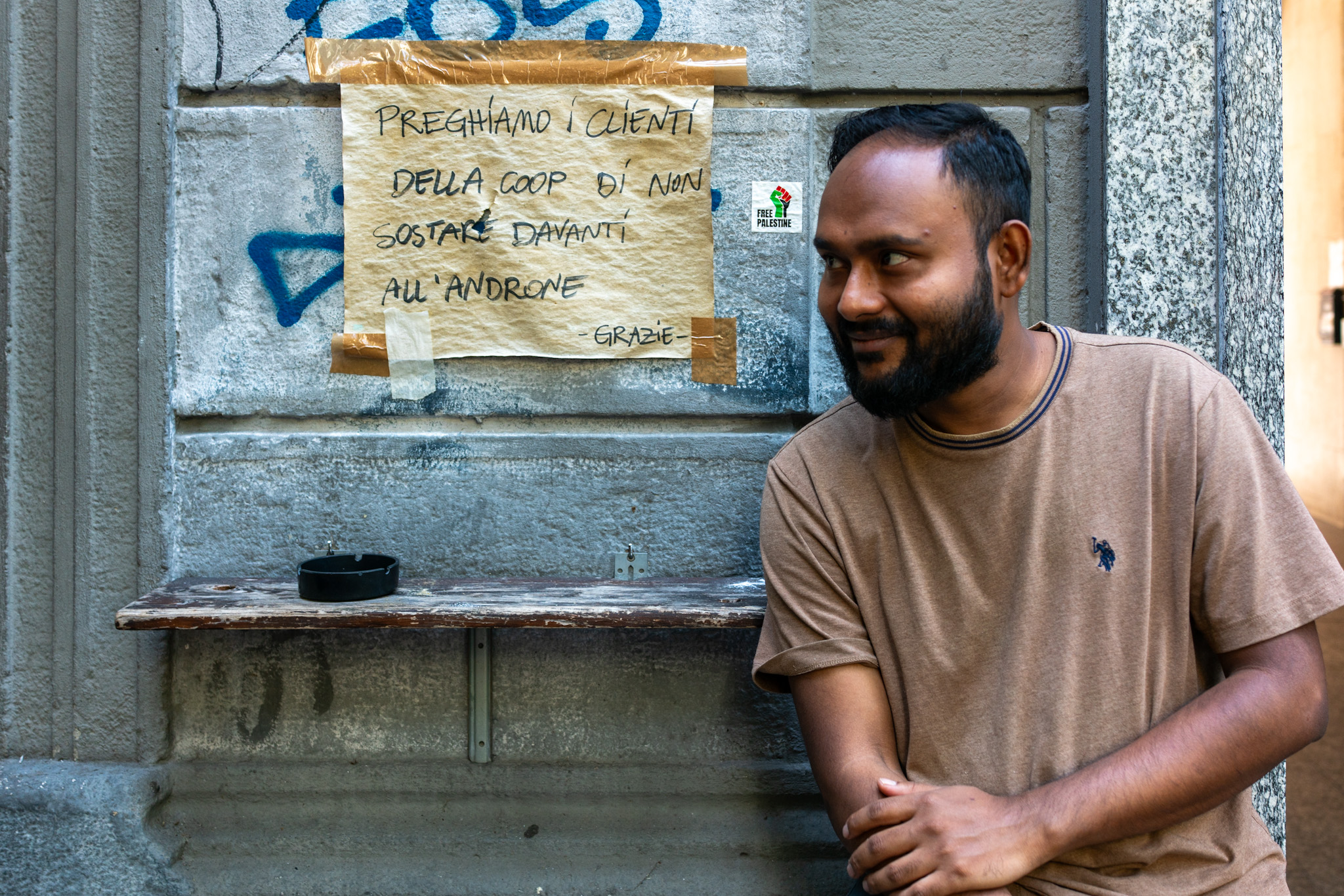
The tragedy that followed makes the story even more poignant. Only a few months later, on 28 December 1943, the seven Cervi brothers were executed by Fascist forces. Their celebration had not been naïve; they knew perfectly well that the struggle was not over. Their pastasciutta therefore became more than a festive meal: it became a reminder that freedom always carries a cost.
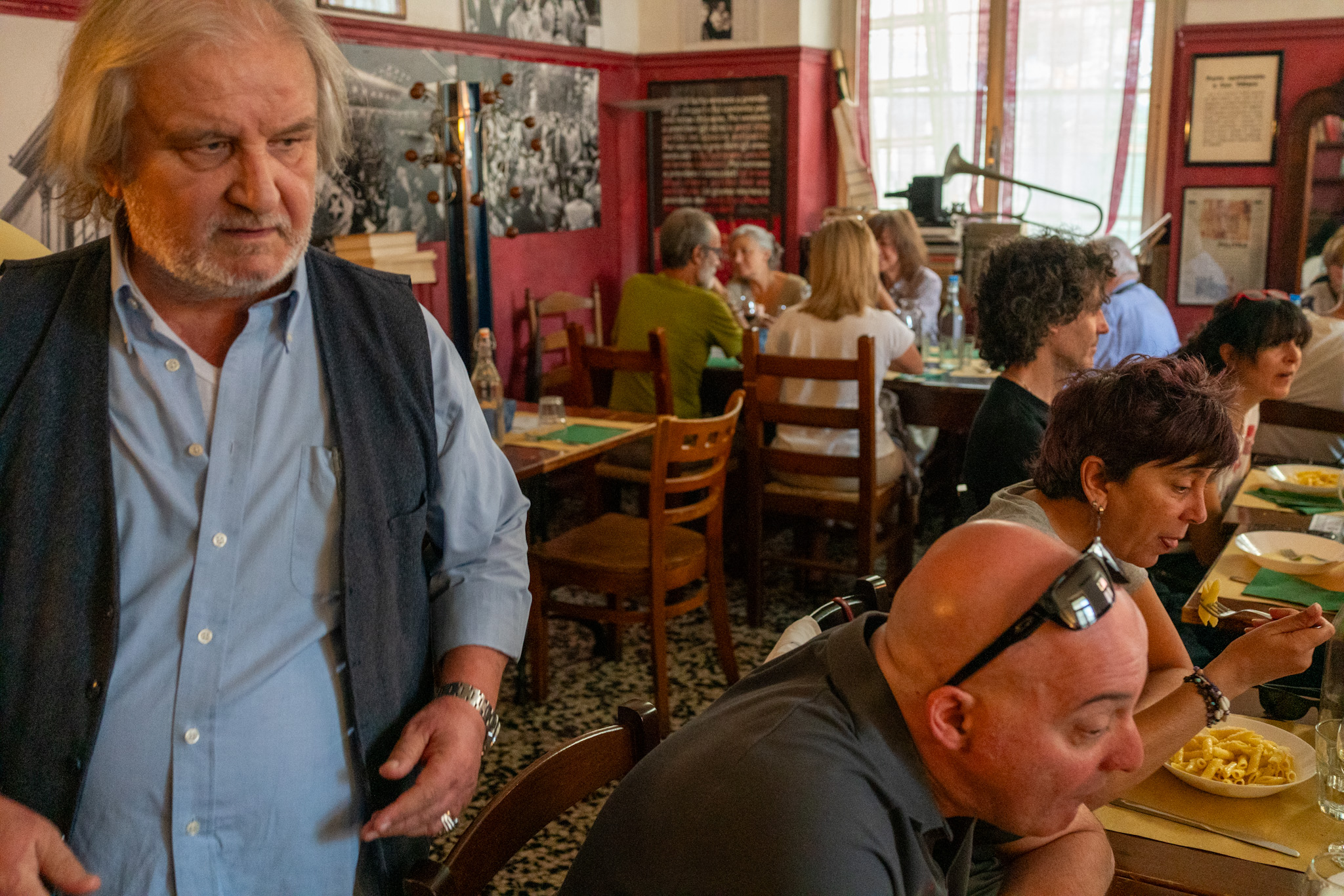
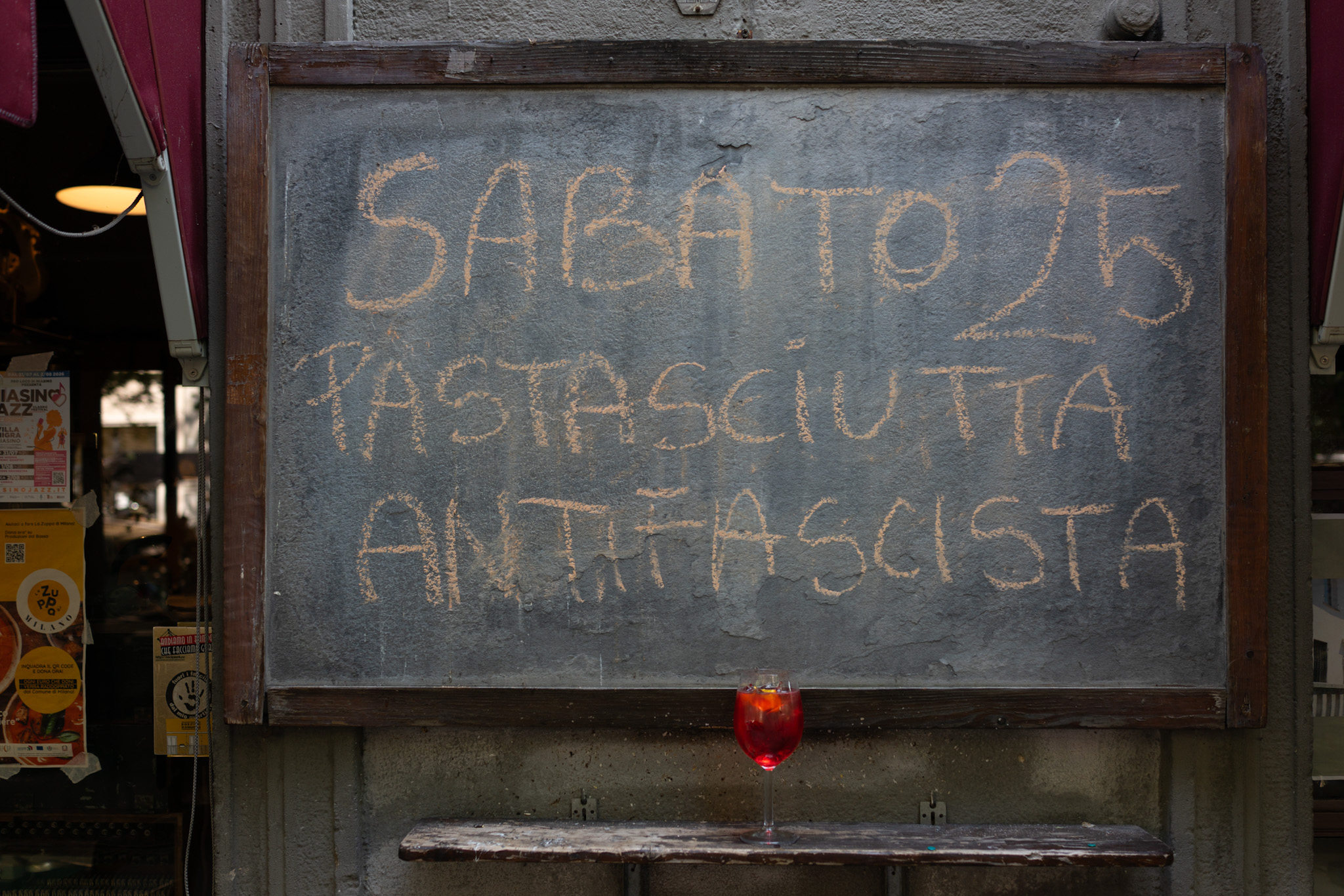
Today, every year on 25 July—and in many places also around the anniversary of Liberation on 25 April—thousands of people gather across Italy for the Pastasciutta Antifascista. The menu is intentionally simple, often consisting of pasta with butter and Parmigiano, faithful to the original spirit. The focus is not gastronomy but memory. Sitting together at long communal tables reminds participants that democracy is sustained not only by institutions but also by shared civic rituals.
One of the places where this tradition continues with remarkable authenticity is the Cooperativa La Liberazione 1945 in Milan.
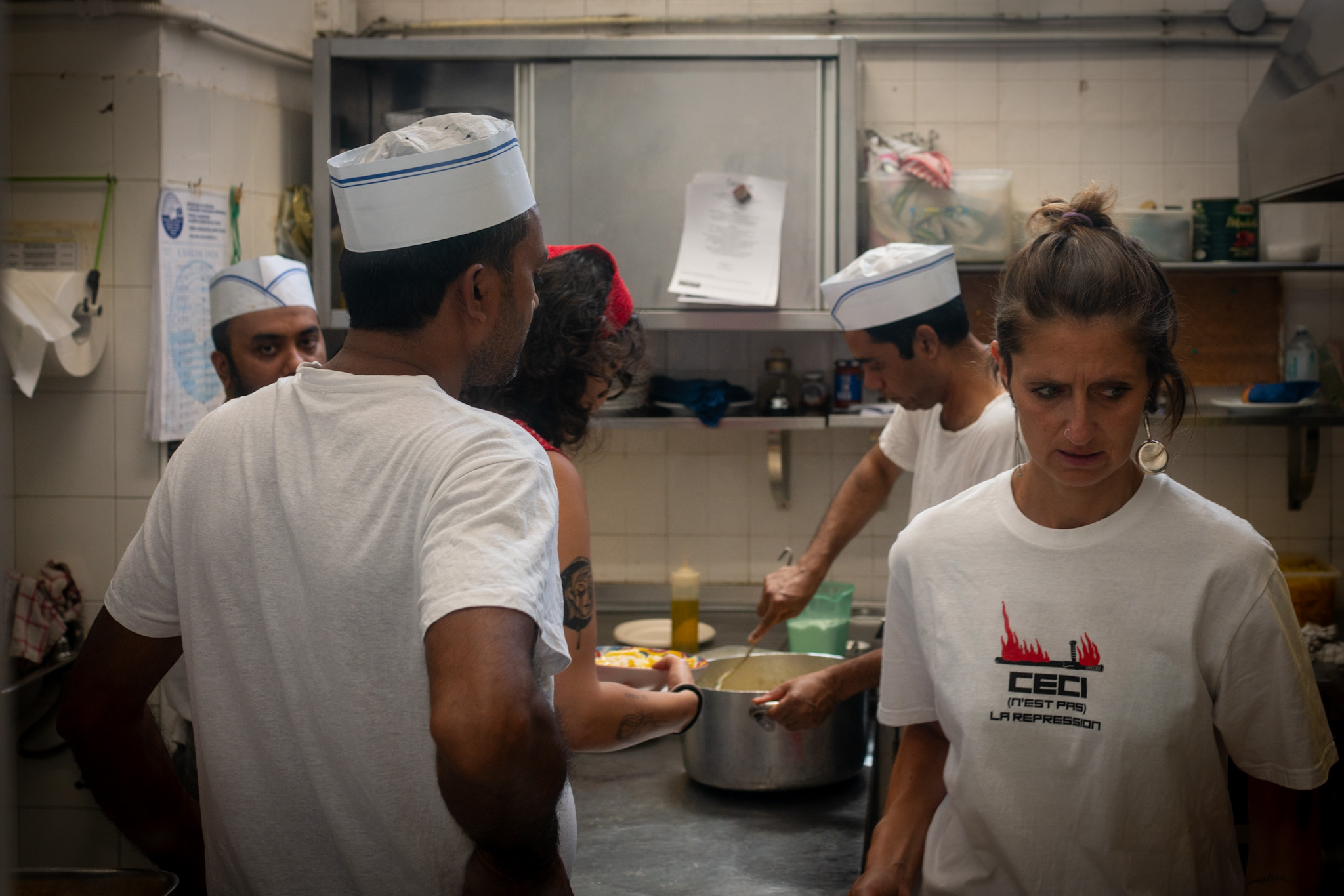

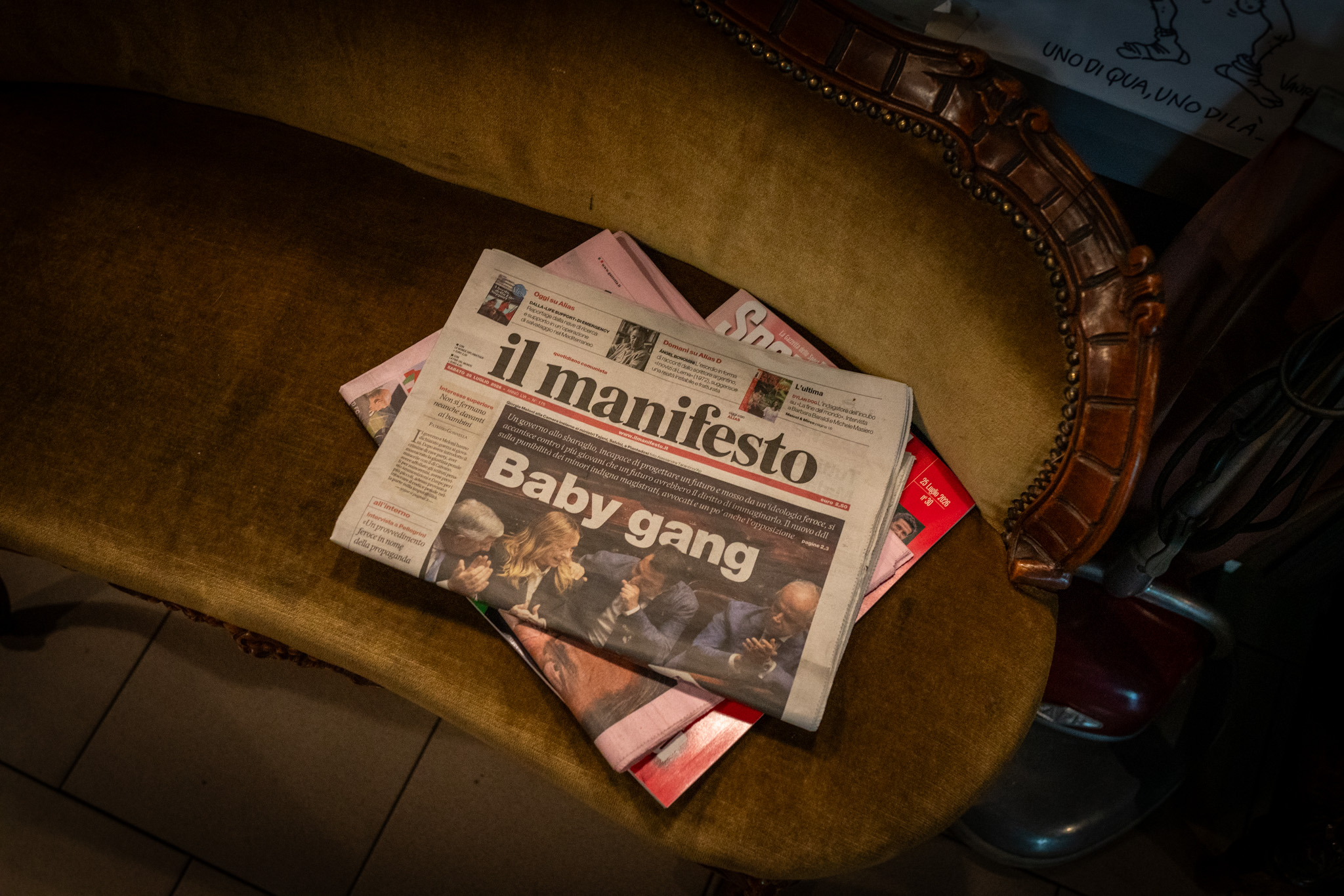
Located in Via Lomellina, the cooperative was founded in June 1945, only weeks after the Liberation, by the parents of a young partisan killed during the Resistance, together with former partisans and local residents determined to preserve the ideals for which so many had fought. Over the decades it has never become merely a restaurant or a social club. It has remained a living civic institution where culture, music, political discussion and neighbourhood life coexist under the same roof. Its walls are covered with photographs, historical memorabilia and reminders that democracy requires continuous participation rather than occasional remembrance.
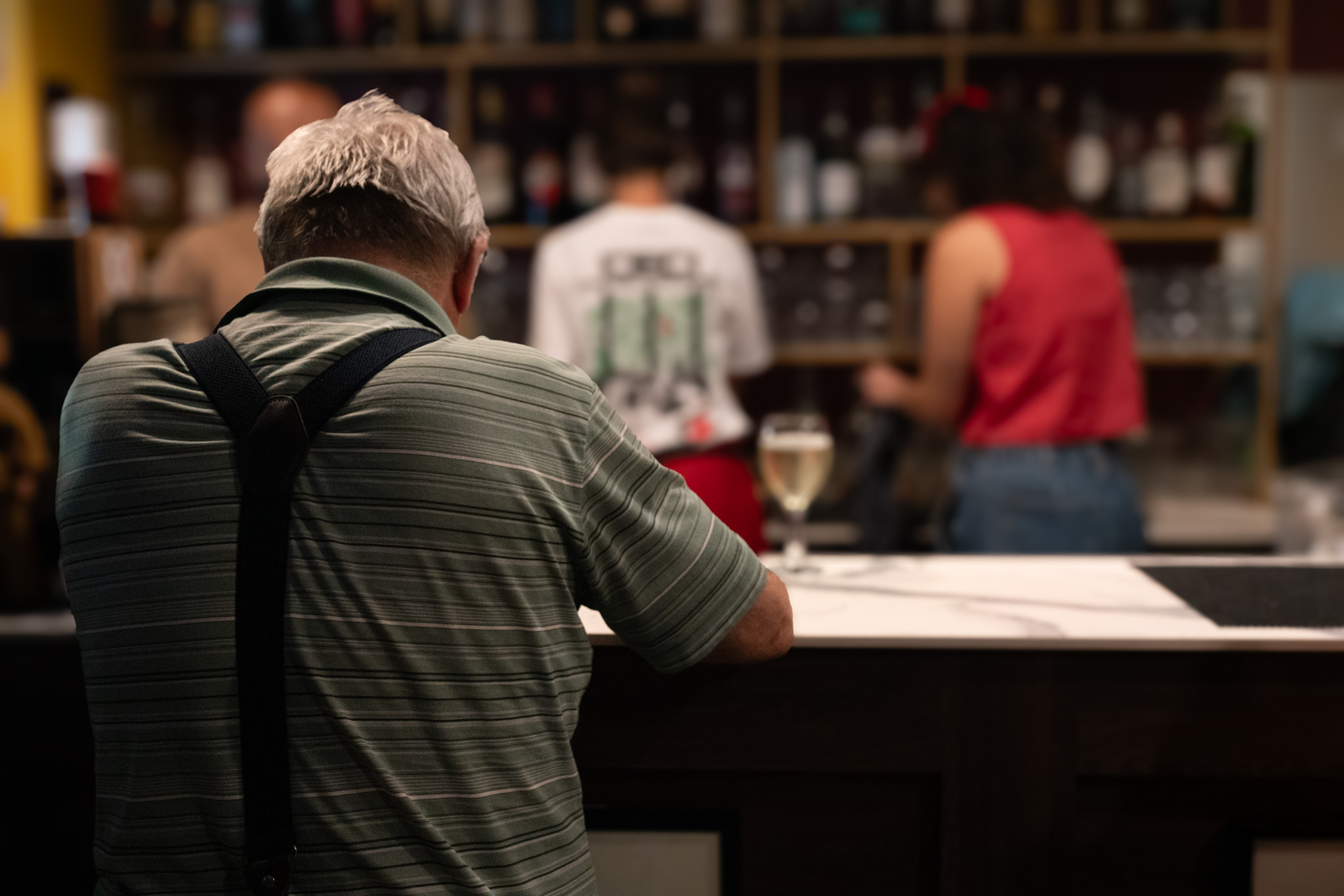
Walking into the Cooperativa feels like stepping into a Milan that has resisted both nostalgia and commercialisation. Elderly partisans share tables with students, musicians, families and newcomers. Conversations move naturally from local politics to literature, from football to the history of the Resistance. The traditional Milanese dishes served in its dining room are almost secondary; what people truly come for is the atmosphere of solidarity and collective memory that has survived for more than eighty years.
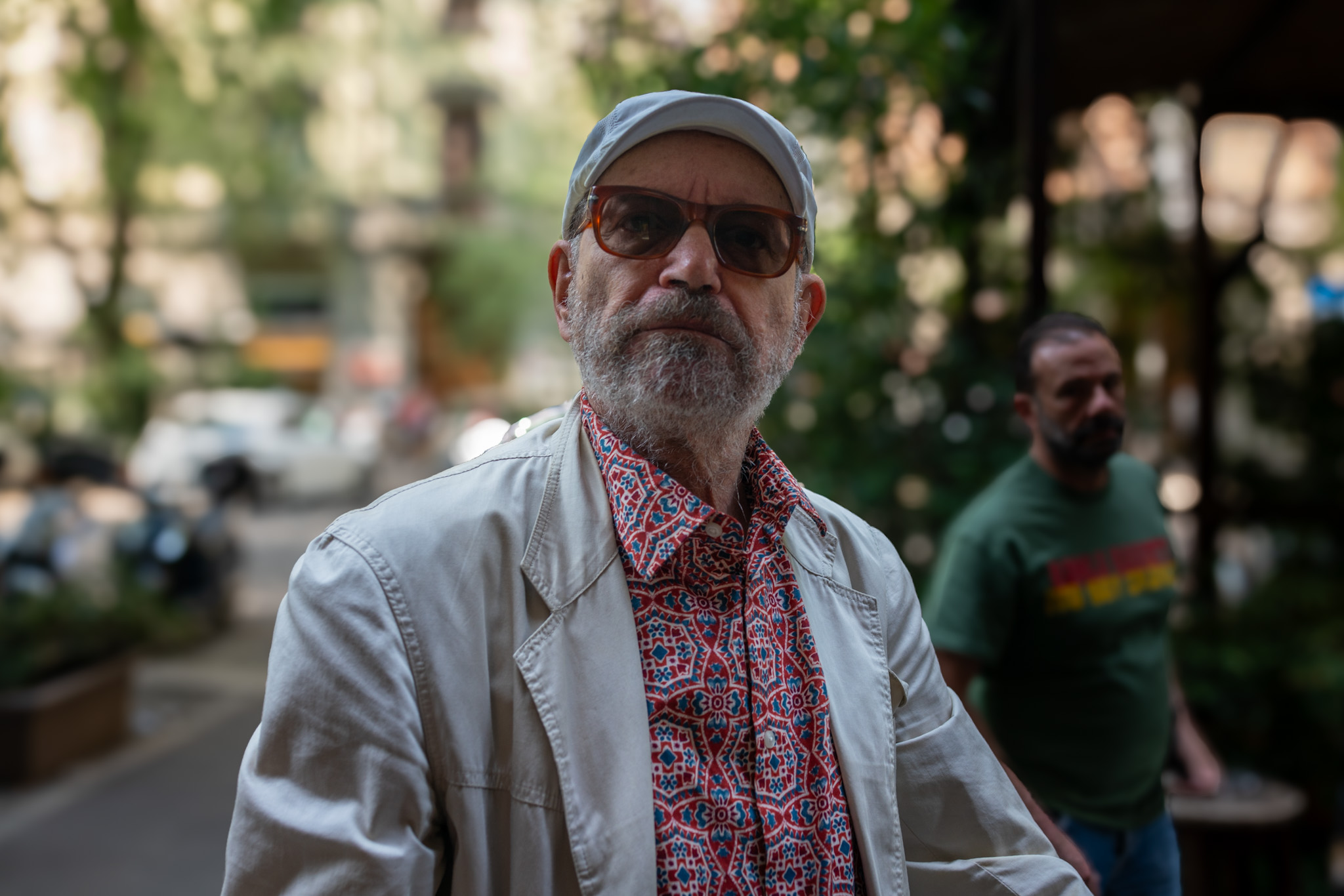
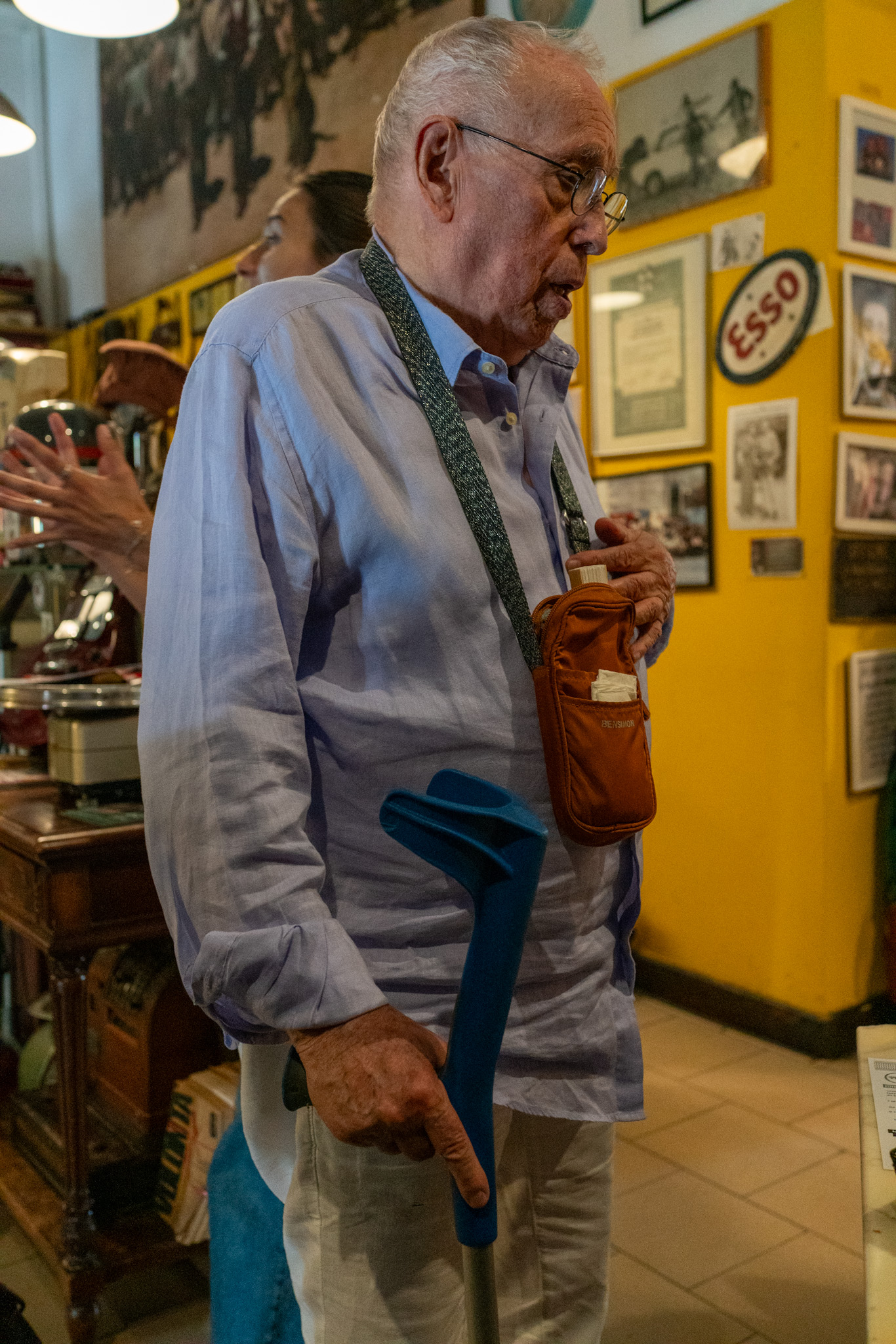
It is therefore no coincidence that every year the Cooperativa hosts one of Milan’s Pastasciutte Antifasciste, organised together with ANPI and the city’s antifascist associations. The meal recreates the same gesture first made by the Cervi family in 1943: sharing food as an affirmation of freedom, equality and community. At a time when historical memory is increasingly contested, the Cooperativa demonstrates that remembrance is strongest when it is lived rather than merely commemorated.
The Pastasciutta Partigiana reminds us that history is not always written by grand victories. Sometimes it is preserved through ordinary people willing to set an extra place at the table. And as long as places like the Cooperativa La Liberazione continue to fill those tables with conversation, memory and shared meals, that simple plate of pasta will remain one of Italy’s most enduring symbols of liberty.
Discover more from THE QUIET REPORT
Subscribe to get the latest posts sent to your email.
