WHAT SEOUL KEEPS
Written by Maurizio “Mau” Vagnozzi
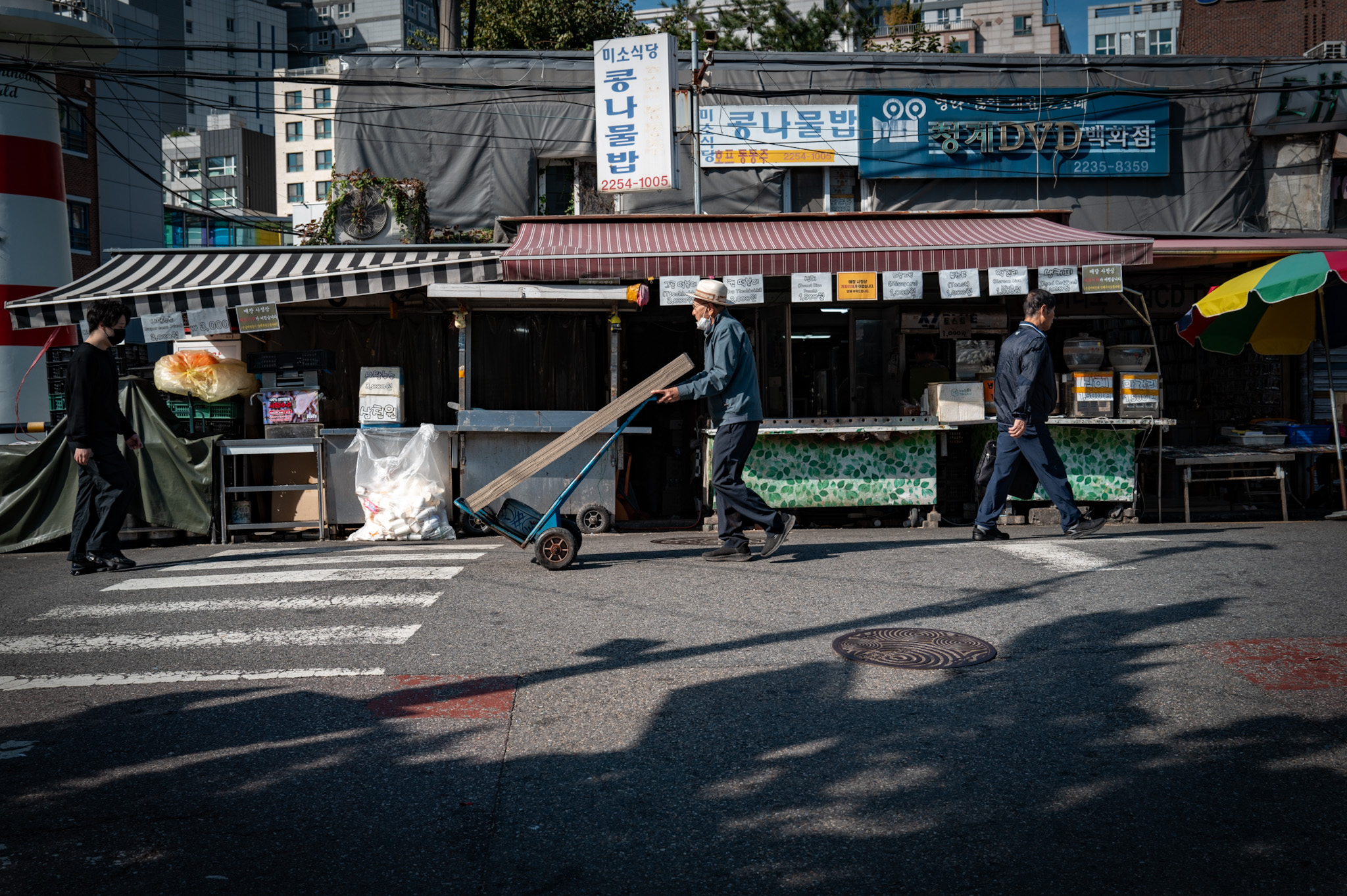
Yesterday morning I returned to Dongmyo Market, once again travelling by metro, which here in Seoul announces its arrival at stations with little melodies that sound almost unexpectedly cheerful against the morning rush.
The place takes its name from Dongmyo, the nearby shrine dedicated to the Chinese general Guan Yu. The shrine dates to the beginning of the 17th century, while the flea market as we know it today began taking shape much later, when second-hand merchants started gathering here in the 1980s.
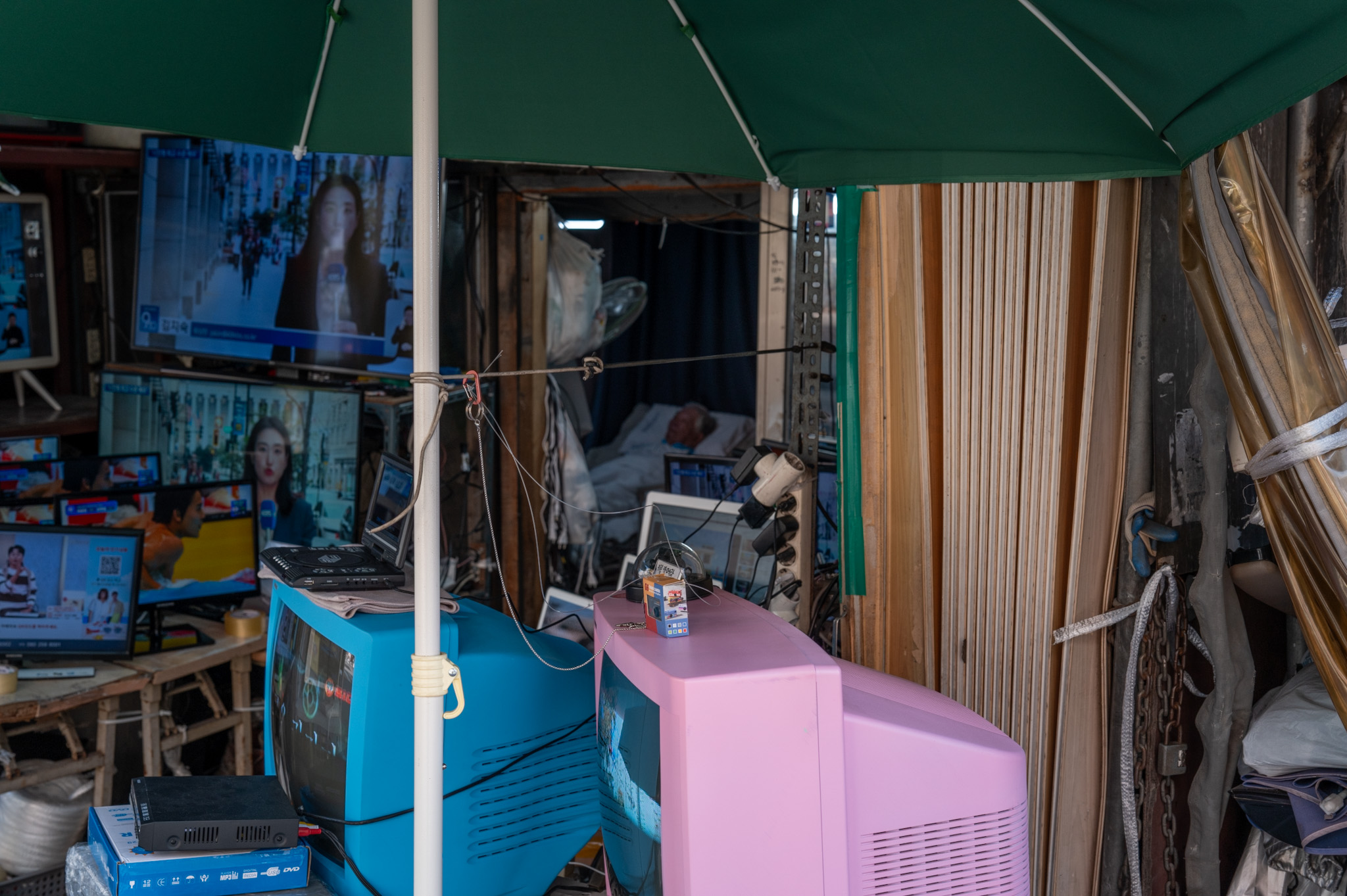
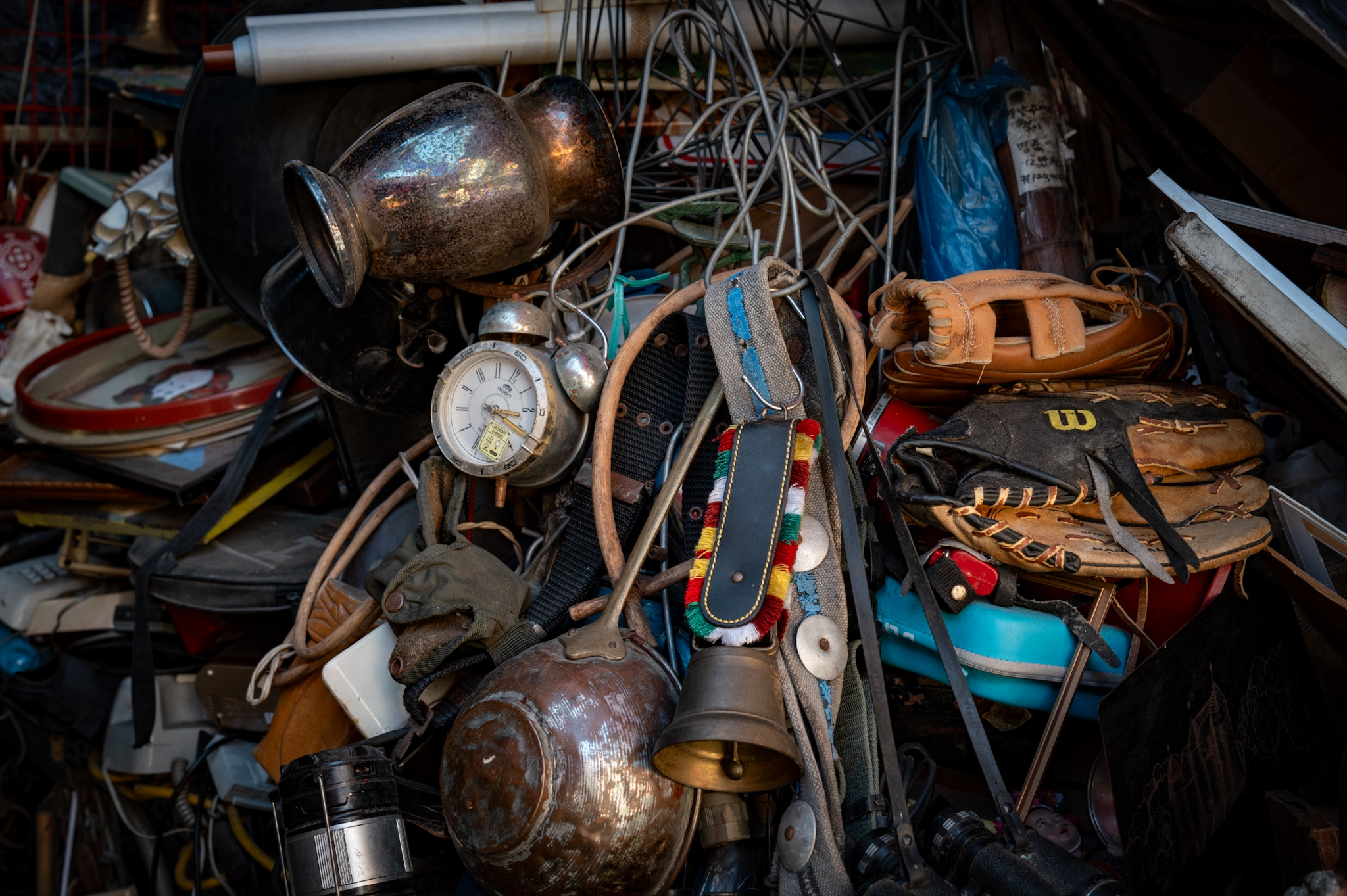
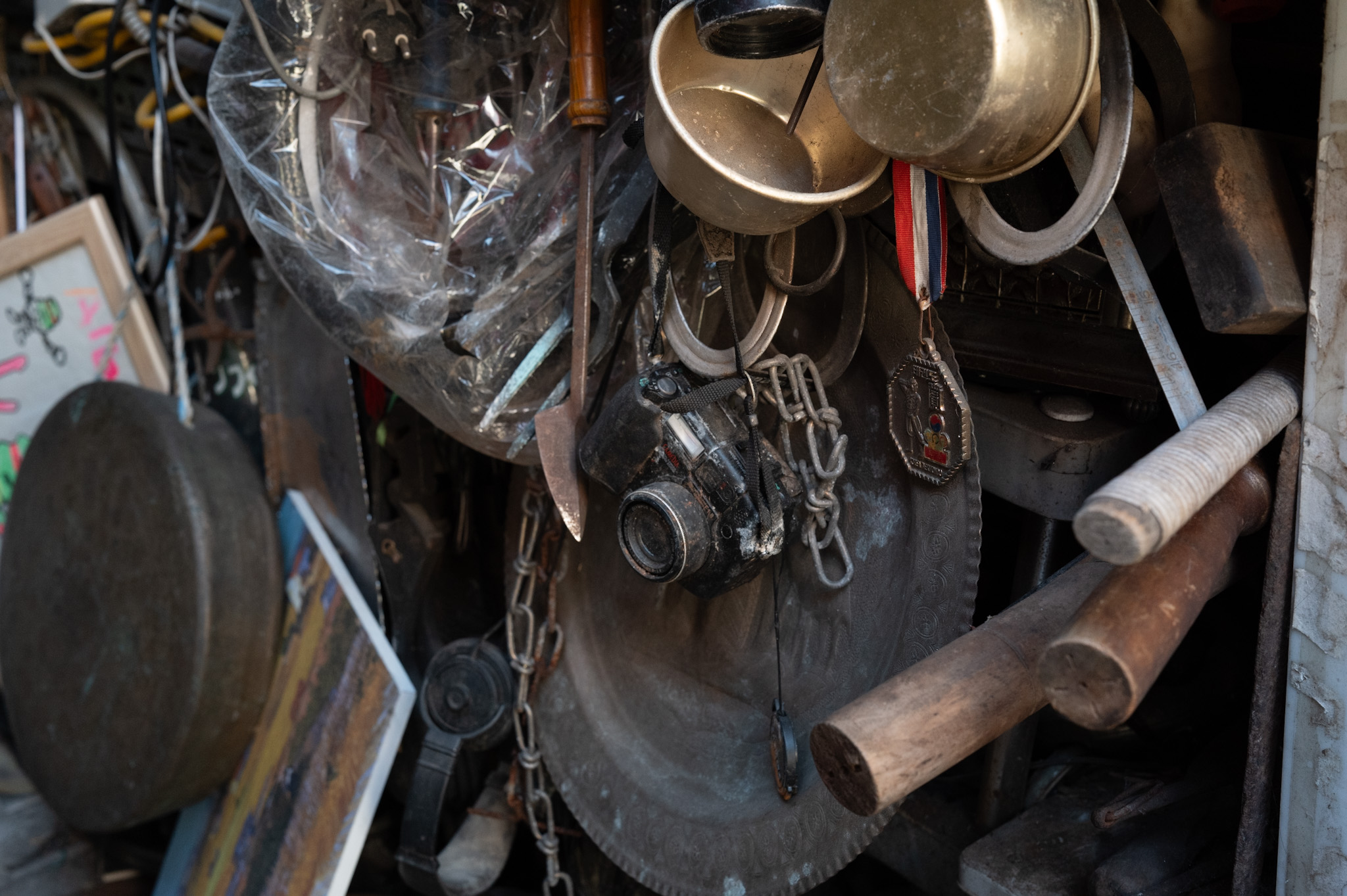
Dongmyo belongs to a much broader geography of reuse that once stretched through Hwanghak-dong and along Cheonggyecheon. In postwar Seoul, these districts became part of an economy built around inexpensive goods, repair, recycling and resale, practices that mattered enormously in a country emerging from war and poverty. The commercial districts along Cheonggyecheon grew alongside Seoul’s extraordinary transformation from a devastated capital into an industrial metropolis.
As Korea became wealthier, the meaning of these places changed too. What had once been necessity increasingly became second-hand commerce, collecting and, eventually, nostalgia.
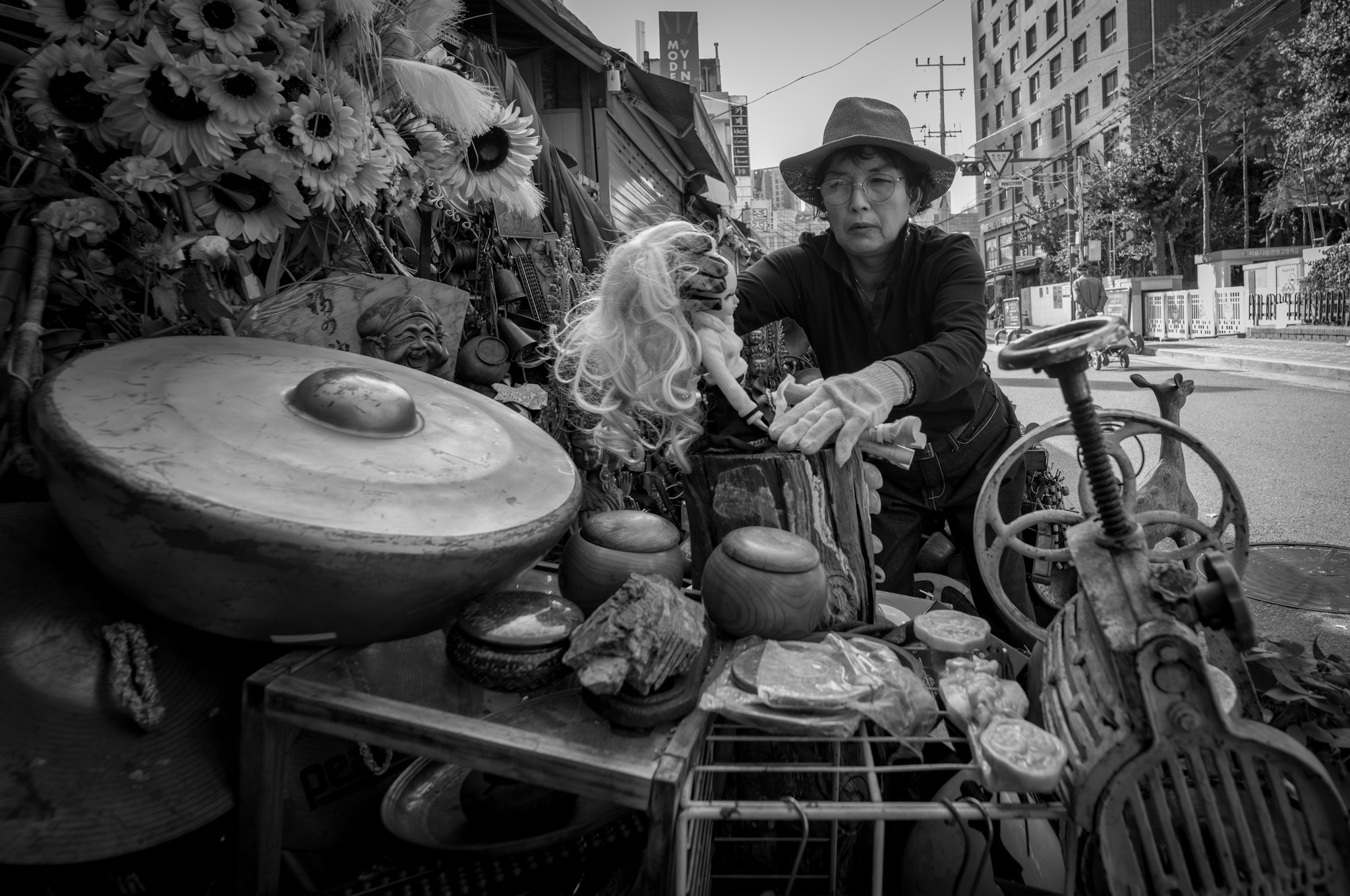
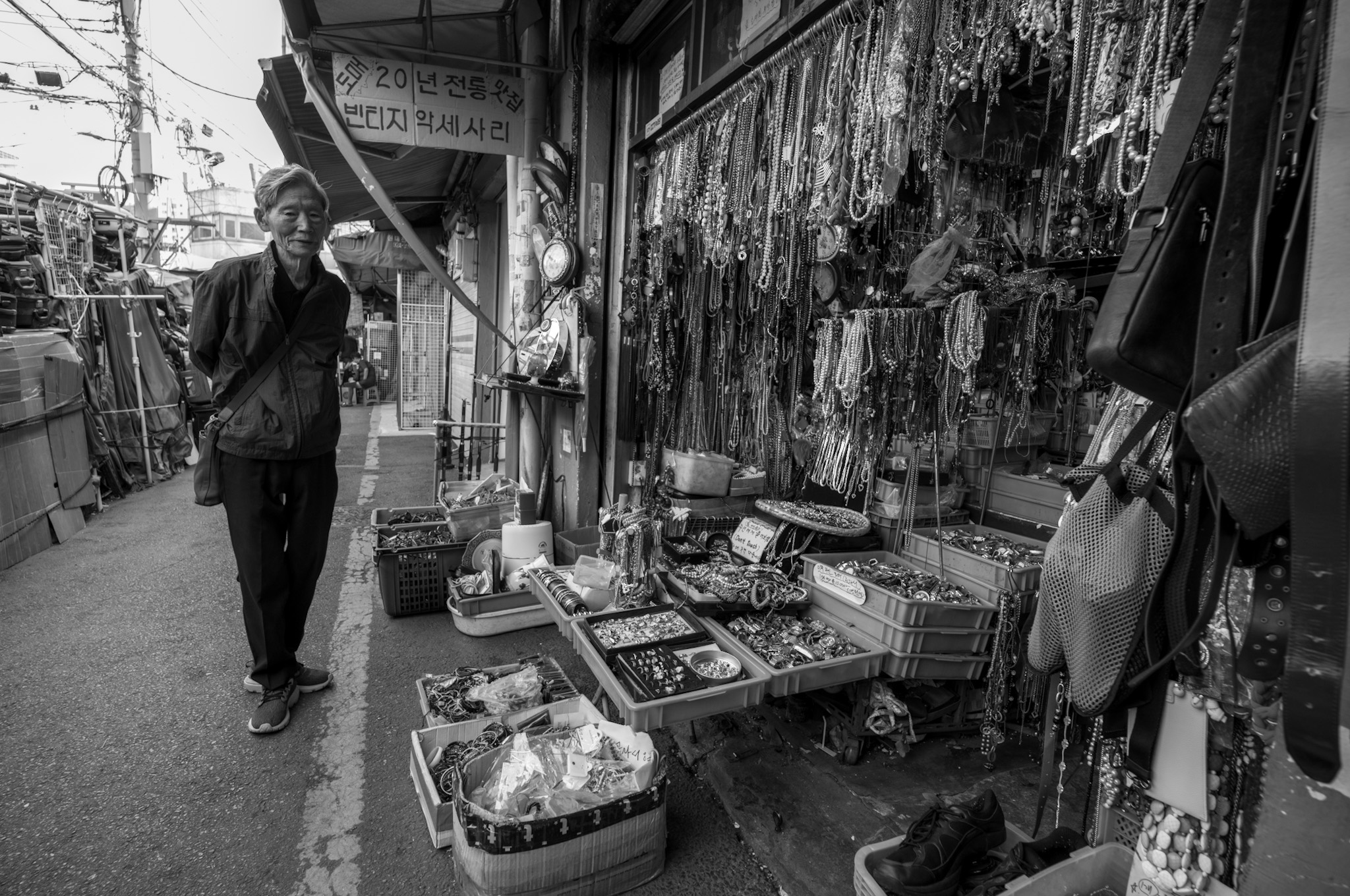
Another decisive change came between 2003 and 2005, with the restoration of Cheonggyecheon. The project removed the elevated roadway and restored over 6 kilometres of the stream through central Seoul. It also transformed the commercial ecosystem around it. Merchants displaced from the Hwanghak-dong flea market moved towards Dongmyo, helping give the market its present form.
Today, Dongmyo feels like a living museum of ordinary Korean life.
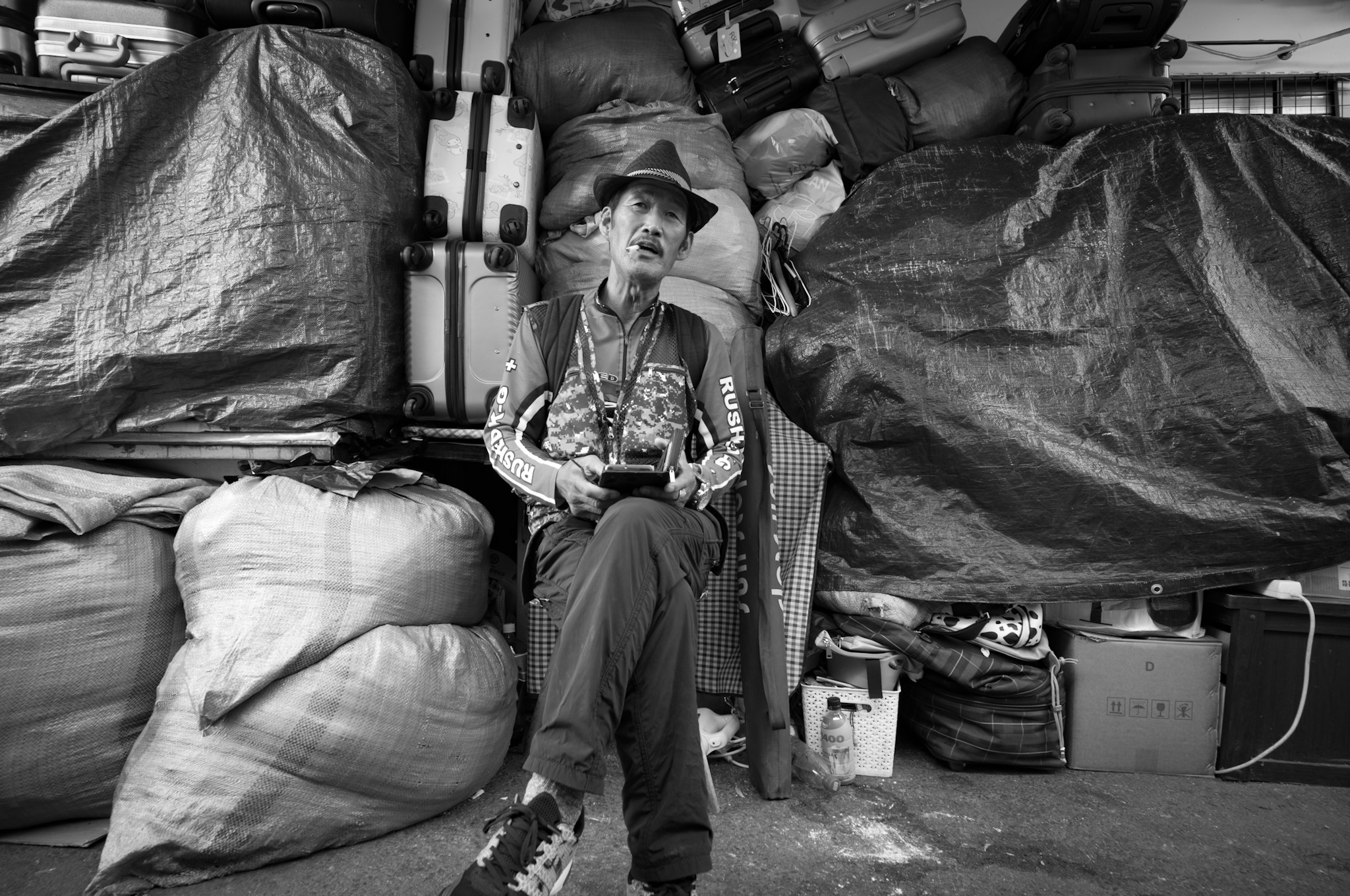
Old televisions, rotary telephones, vinyl records, cameras, tools, books, domestic appliances and seemingly every imaginable piece of clothing are laid out on the ground, usually on sheets of cardboard or tarpaulin. Seoul’s own guides have described a market of hundreds of stalls and shops selling everything from antiques to second-hand clothes. Walking through it today, however, I had the impression of something smaller and more fragile. There seemed to be fewer stalls than those descriptions suggest. Perhaps what remains is the last trace of an economy slowly approaching extinction.
Or perhaps not.
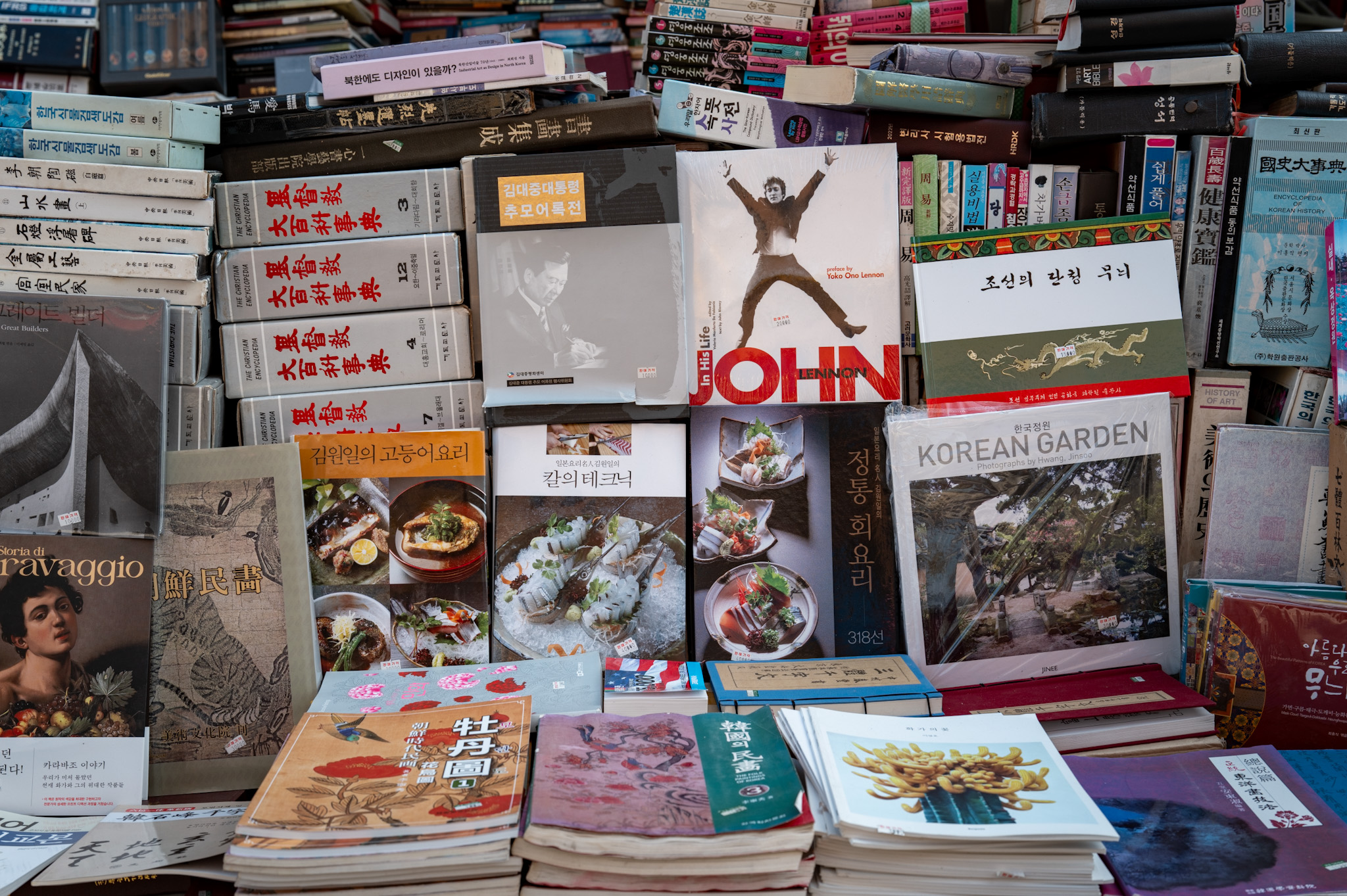
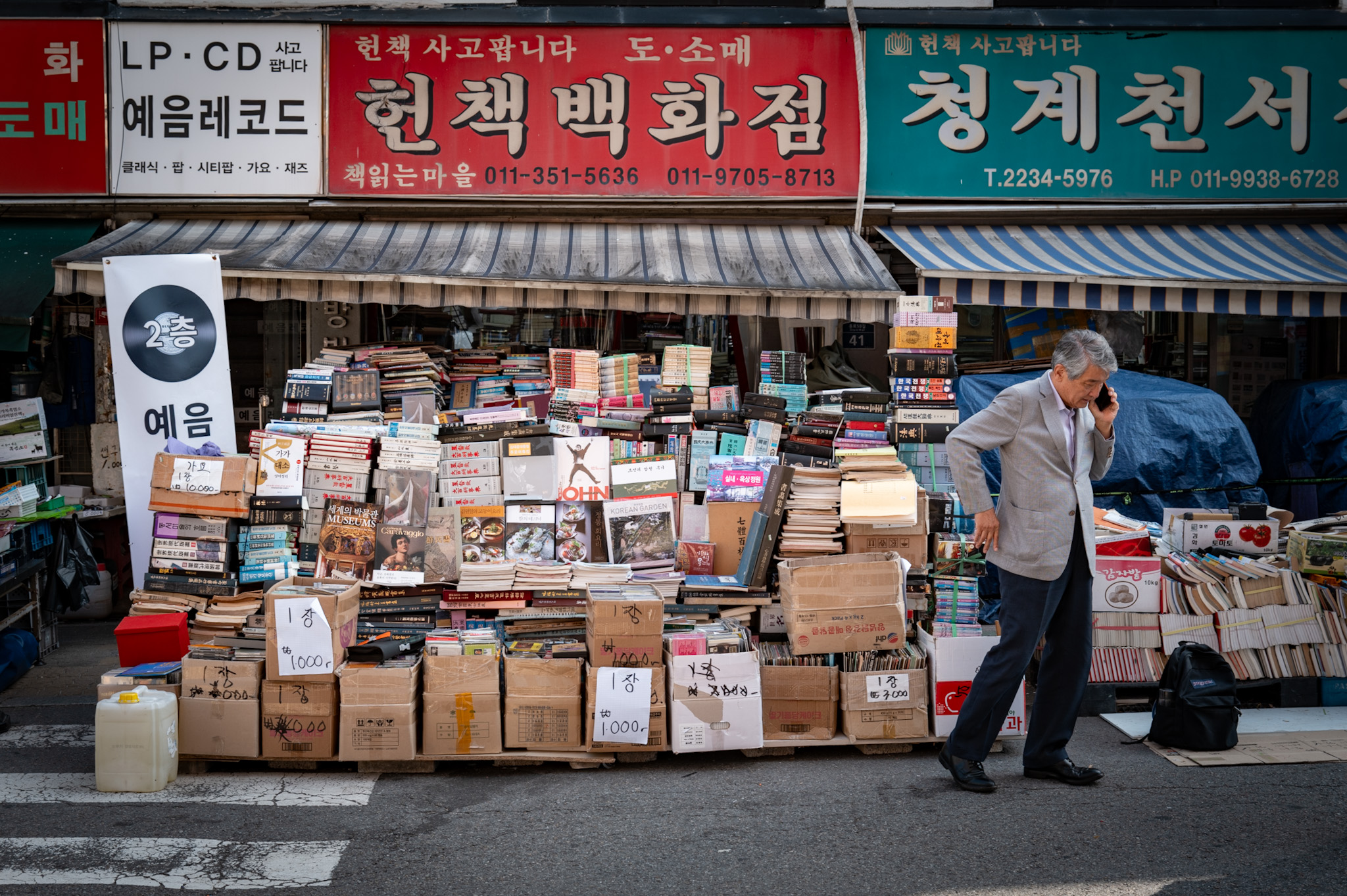
Among the older customers and vendors, I saw groups of young people searching through piles of second-hand clothes for vintage pieces. Dongmyo has in fact attracted a younger clientele in recent years, turning what was once simply used clothing into something desirable again.
There is something reassuring in that contradiction: a generation accustomed to shopping malls, smartphones and online stores bends down on the pavement to search through clothes discarded by another generation.
The reasons have changed, necessity has become taste, recycling has become vintage, but the gesture remains almost exactly the same, and perhaps that is what Dongmyo really preserves, not the objects themselves, but the idea that something apparently finished can still have another life.
Seoul, 24 September 2026 – Leica M11 Monochrom & Leica Q3 43
Discover more from THE QUIET REPORT
Subscribe to get the latest posts sent to your email.
