THE PRICE OF BEING COOL
Written by Maurizio “Mau” Vagnozzi
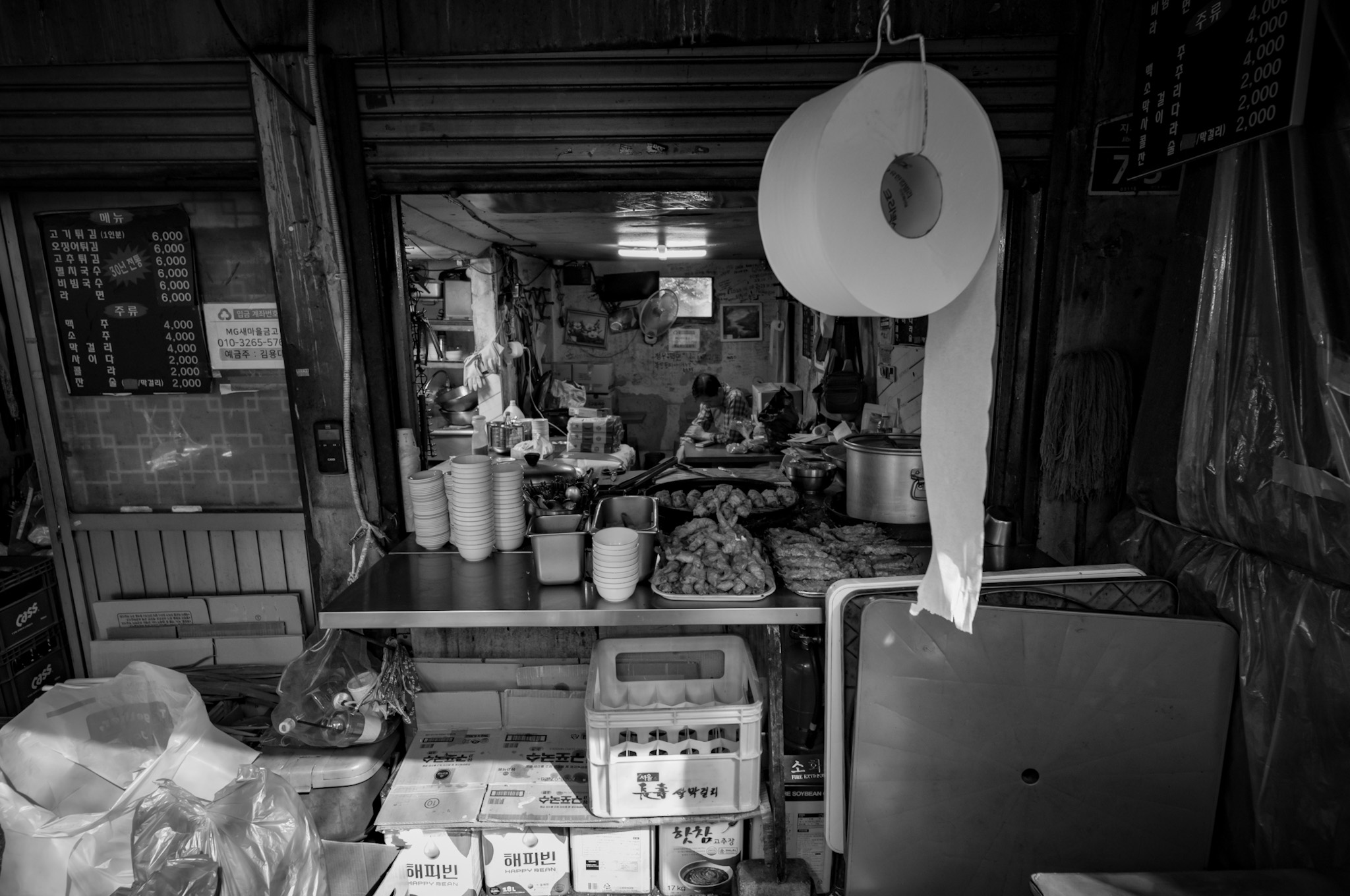
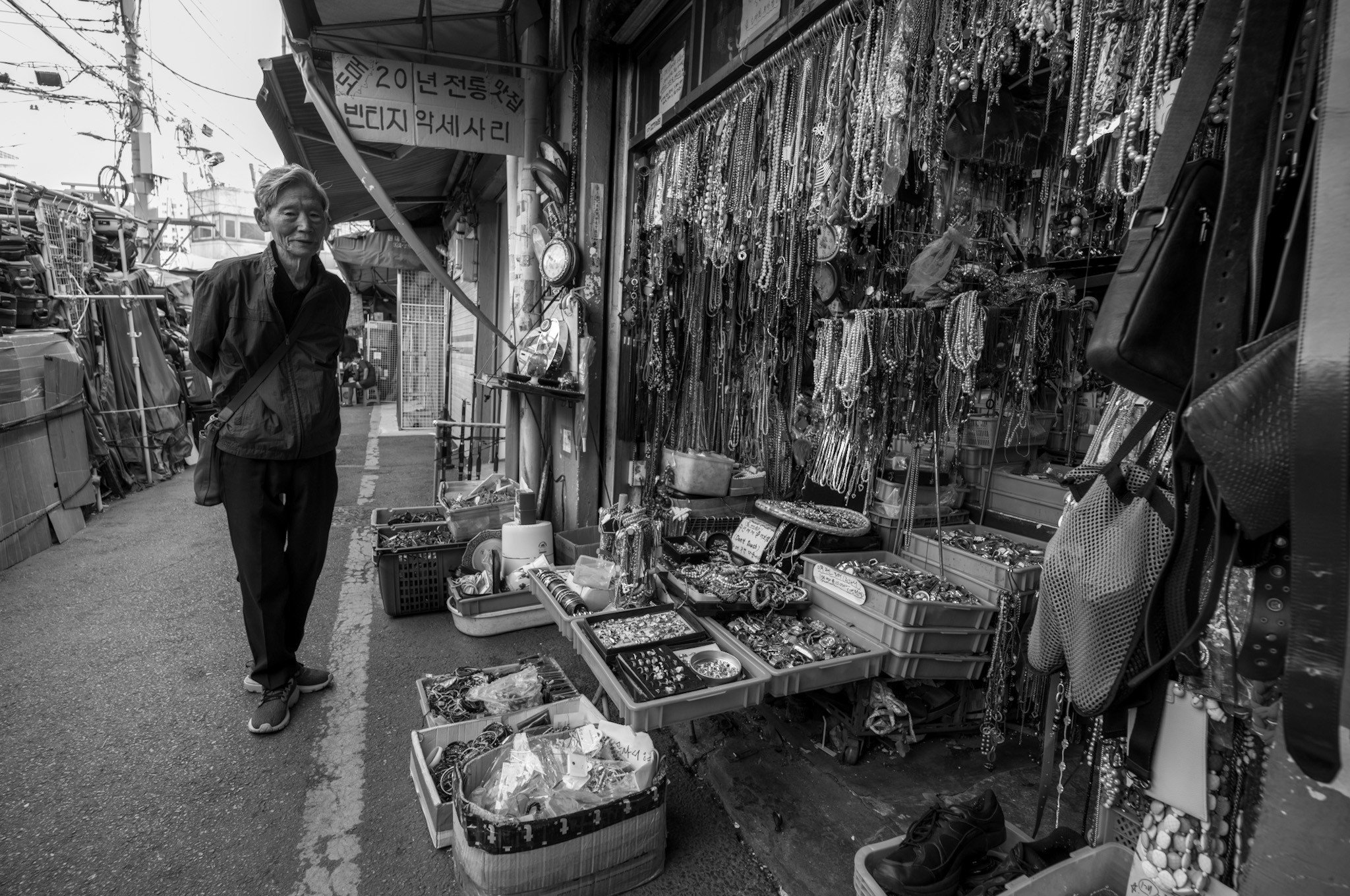
SEOUL, South Korea — For decades, Jongno 3-ga was the kind of neighborhood Seoul seemed determined to leave behind. Its narrow streets were lined with modest restaurants, aging workshops and small businesses that had survived the city’s relentless modernization. Elderly men gathered over inexpensive meals. Shopkeepers knew their customers. Life moved at a pace increasingly difficult to find in the Korean capital.
Now, the world has discovered it.
In September, Time Out named Jongno 3-ga the coolest neighborhood in the world, praising its combination of traditional architecture, independent businesses, nightlife and street culture.
The distinction reflects a broader change in what visitors seek from Seoul. Beyond the glass towers of Gangnam and the carefully staged attractions of the Korean entertainment industry, a different city has become fashionable: older, less polished and apparently more authentic, but authenticity is a fragile commodity. Once a neighborhood becomes desirable precisely because it has resisted change, how long can it remain the same?
A short walk from Jongno 3-ga station, Ikseon-dong offers an answer, or perhaps a warning.
Its narrow alleys contain clusters of hanok, traditional Korean houses built largely during the early twentieth century. Once modest homes for ordinary families, many have been transformed into cafés, restaurants and boutiques.
The wooden beams remain. So do the tiled roofs and small courtyards. But the people and activities beneath them have changed.
The transformation has been commercially successful. Buildings once threatened by redevelopment have found new uses, attracting younger customers and entrepreneurs. Preservation, long considered an obstacle to modernization, has become an economic asset, yet saving buildings is not the same as preserving a community.
Nearby Seosulla-gil, alongside the walls of Jongmyo Shrine, has undergone a similar revival. According to figures published by the Seoul Metropolitan Government in October, sales in the surrounding commercial district increased 2.5 times between 2020 and 2025. Customers in their twenties and thirties accounted for 59 percent of restaurant sales.
The figures suggest a remarkable commercial resurgence. They do not establish that longtime residents or businesses have been displaced. But they reveal how quickly the economic identity of an old neighborhood can change. The question is no longer whether historic Seoul can attract investment, it is who ultimately benefits from it.
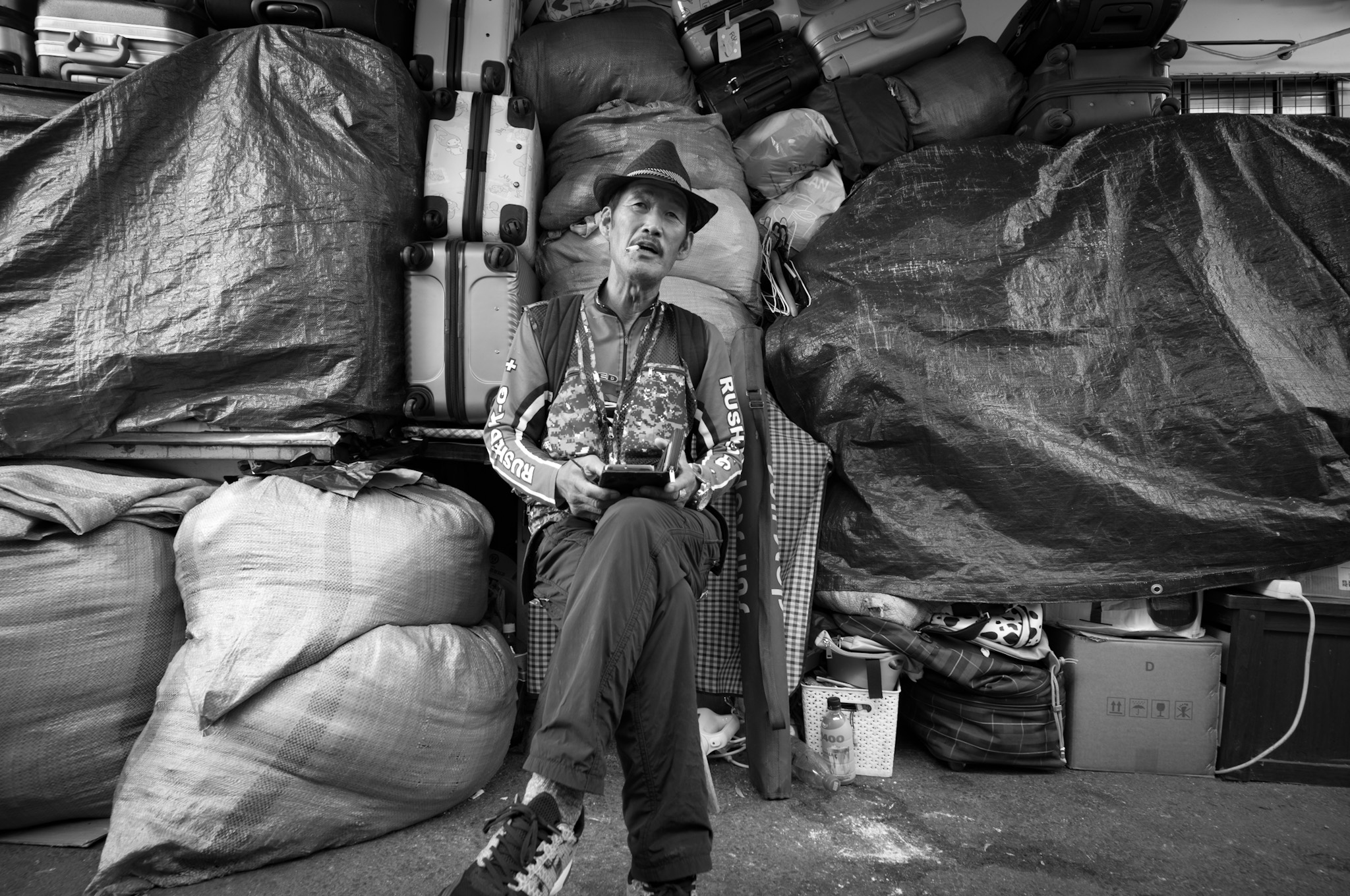
There is still hope: what makes Jongno 3-ga particularly interesting is that its older residents have not entirely disappeared. Around Tapgol Park and the streets near the subway station, elderly men still gather in small restaurants and public spaces. They meet friends, exchange news and follow routines established long before the neighborhood became fashionable.
Their presence is more than a picturesque reminder of the past.
South Korea is ageing faster than almost any other major economy. The consequences are usually discussed in terms of pensions, healthcare and labor shortages. Less attention is paid to what ageing means for the everyday geography of a city. Older people need affordable places to eat, accessible streets and public spaces where spending money is not a condition of belonging.
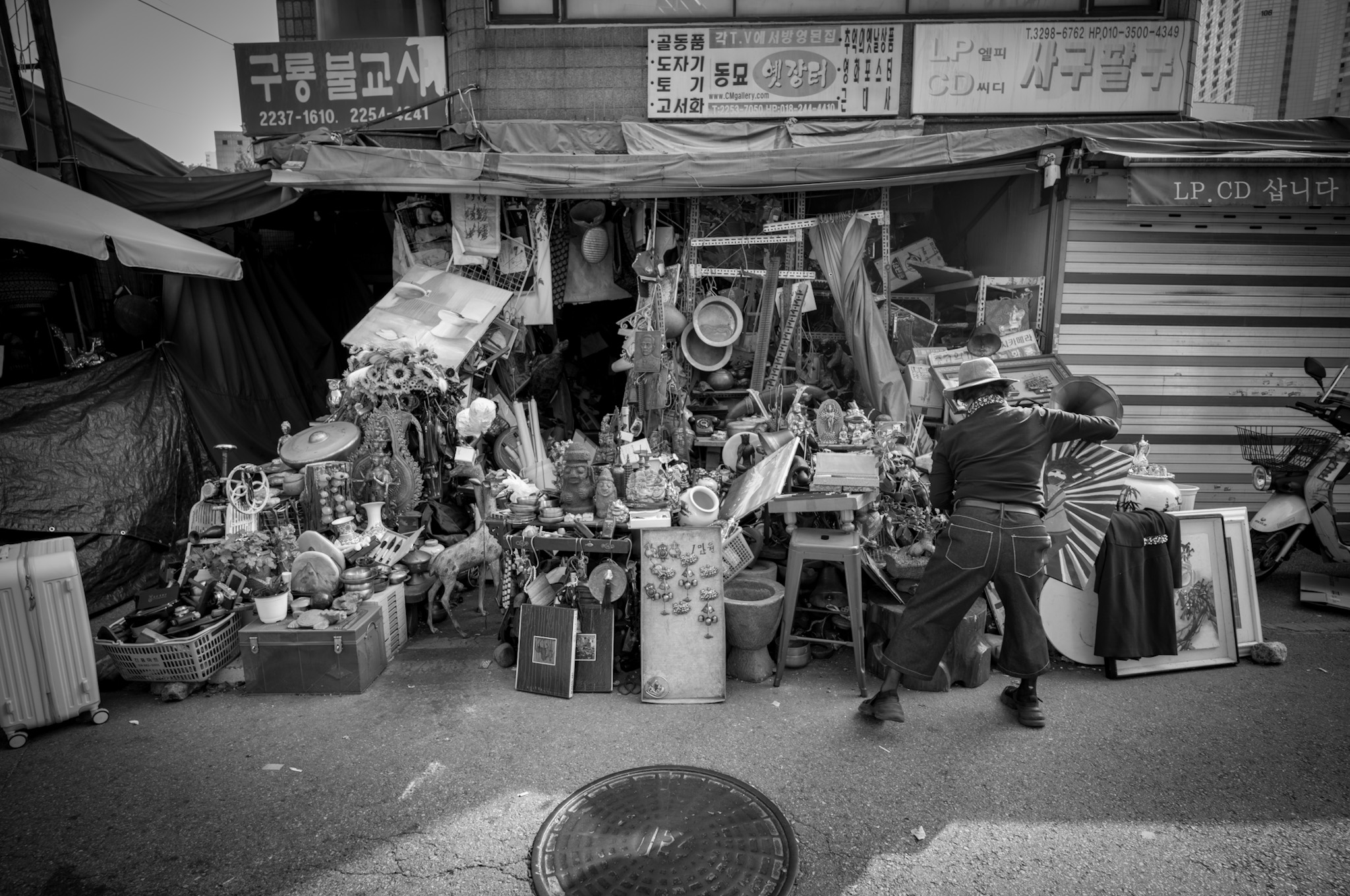
Traditional neighborhoods often provide precisely these things. Their modest restaurants, small shops and informal gathering places support a social life that expensive commercial districts struggle to accommodate. Yet those same qualities now attract younger Koreans and international visitors seeking an alternative to Seoul’s standardized shopping and entertainment complexes.
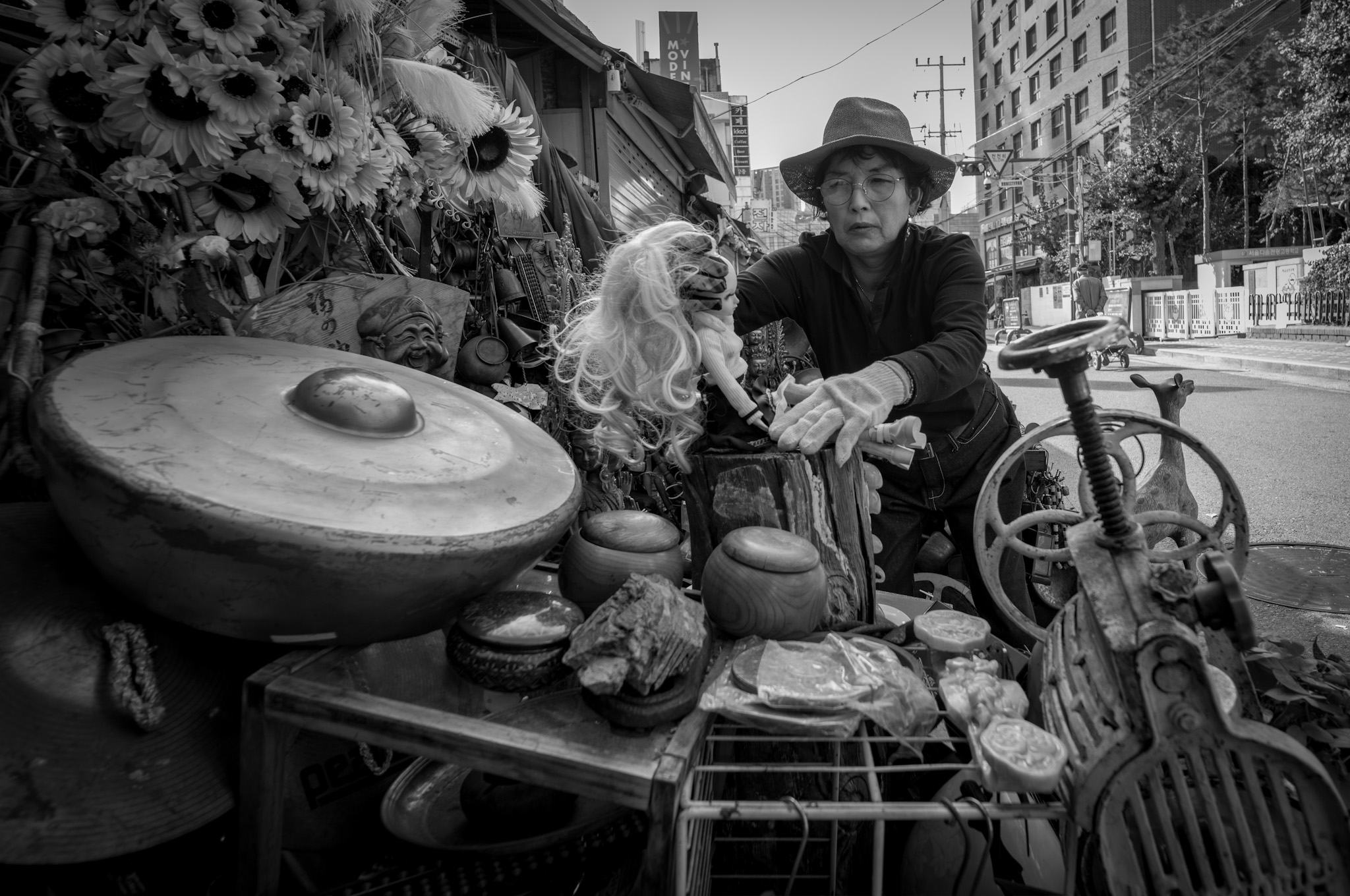
Korea is not alone on this: across all Asia, ordinary urban life has become something to consume. Visitors seek narrow streets, family restaurants, traditional markets and shops that appear untouched by globalization. Social media accelerates the process. A photograph circulates, a café becomes popular, and an overlooked neighborhood finds itself on the international tourist map.
Success brings customers, investment and employment. It can also change what a neighborhood offers. The transformation is rarely immediate, nor is it necessarily unwelcome. New businesses can restore neglected buildings, create jobs and bring energy to declining areas, but the cumulative effect can be unsettling.
A neighborhood may retain its historic appearance while gradually losing the everyday economy that made it distinctive. The scenery survives, but the social fabric becomes harder to recognize.
Being named the world’s coolest neighborhood may bring Jongno 3-ga international recognition and prosperity, remaining a place where ordinary people can live their ordinary lives could be a considerably greater achievement.
Discover more from THE QUIET REPORT
Subscribe to get the latest posts sent to your email.
