TRAIN TO BUSAN
Written by Maurizio “Mau” Vagnozzi
I am writing this aboard a KTX high-speed train, traveling from Seoul to Busan. Outside the window, South Korea passes at nearly 300 kilometres per hour: apartment towers, industrial landscapes, mountains and small towns. Inside, everything is orderly, quiet and reassuringly ordinary.
It is difficult not to think of Train to Busan, the 2016 zombie thriller that turned this very journey into one of Korean cinema’s most memorable nightmares.
Directed by Yeon Sang-ho, the film follows passengers trapped aboard a train as a mysterious epidemic transforms the country into chaos. More than 11 million Koreans watched it in cinemas, and its international success helped establish Korean genre filmmaking as a global cultural force.
But the zombies are only part of the story.
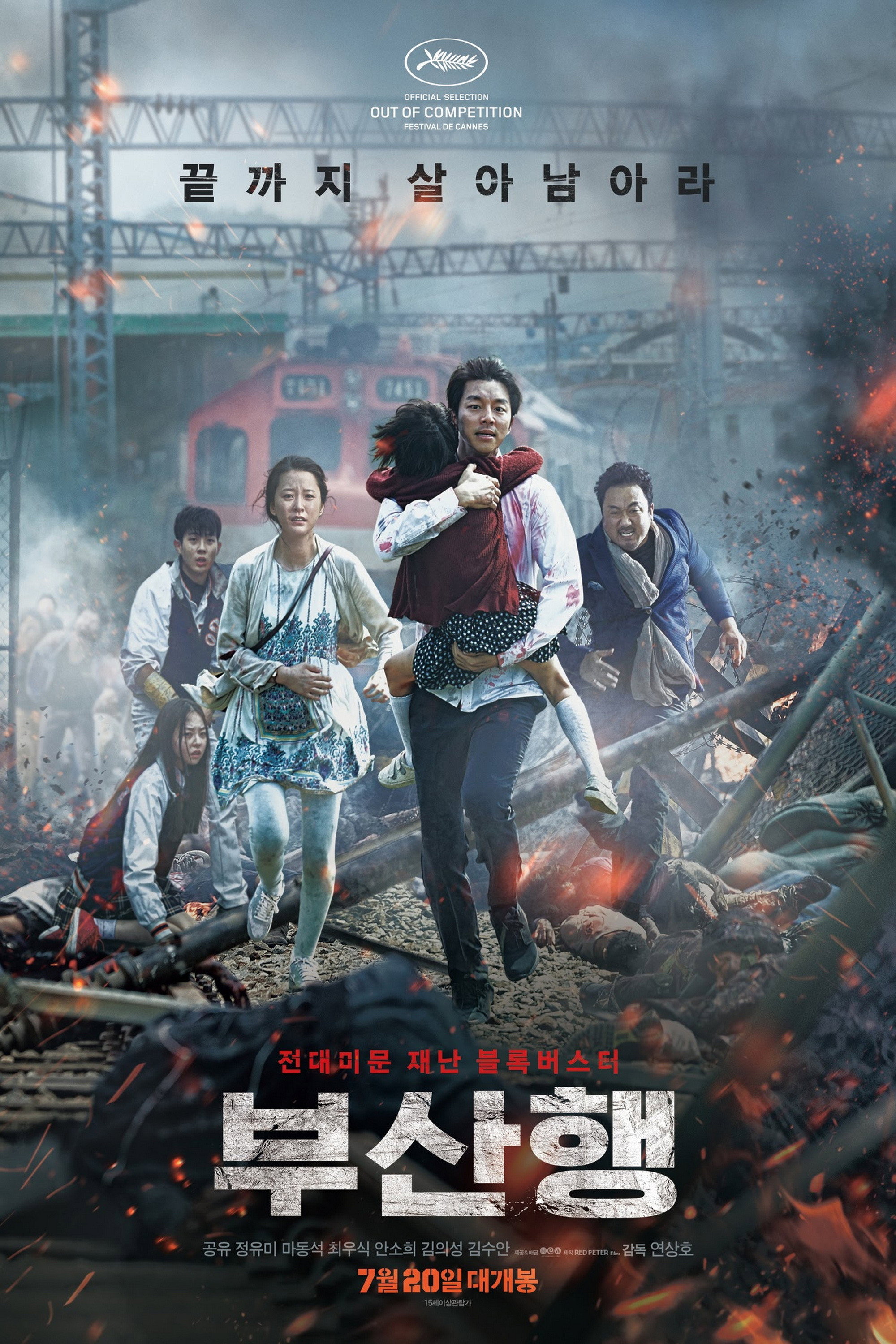
Like Parasite, released three years later, Train to Busan uses popular entertainment to expose uncomfortable truths about Korean society. A train carriage becomes a miniature country, populated by businessmen, workers, students, elderly passengers and families. As danger spreads, social conventions collapse. Wealth and status offer little protection, while selfishness and solidarity become matters of survival.
At its emotional centre is a father struggling to reconnect with his young daughter. Their relationship gives the film something often missing from conventional horror: genuine humanity.
Busan, meanwhile, becomes more than a destination. It represents the possibility of refuge, a place where society might still function when everything else has fallen apart.
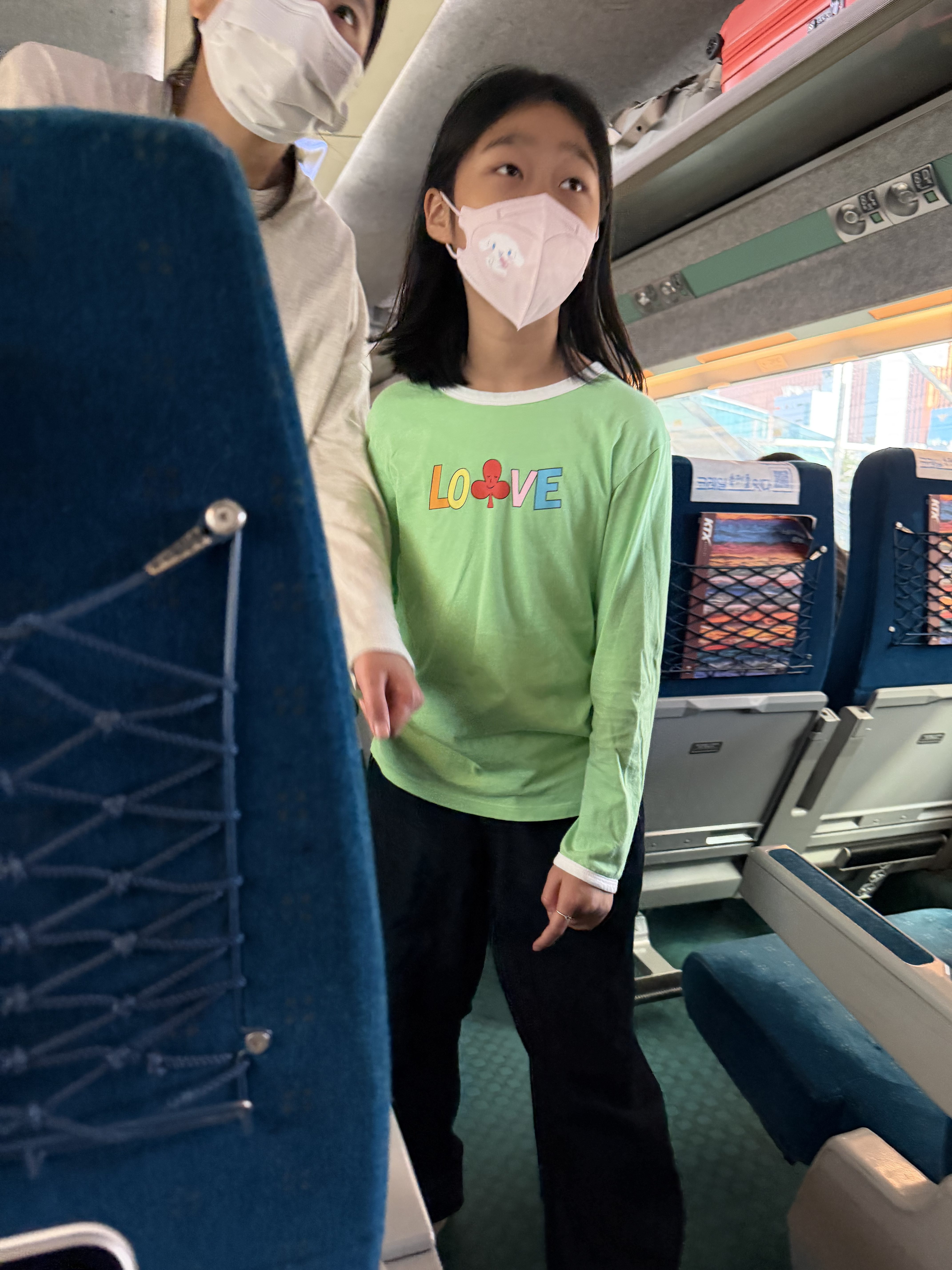
Looking around my carriage today, I see passengers sleeping, scrolling through their phones, quietly eating or watching the countryside. Nothing could be further from the film’s apocalyptic imagination.
Yet perhaps that is precisely why Train to Busan works so well. Beneath the spectacle of running zombies lies a question that extends far beyond Korea: when the familiar order of everyday life disappears, do we protect ourselves or one another?
For now, the train continues smoothly south. The doors slide open, passengers move between carriages, and Busan gets closer.
Fortunately, everyone still looks perfectly human.
Discover more from THE QUIET REPORT
Subscribe to get the latest posts sent to your email.
