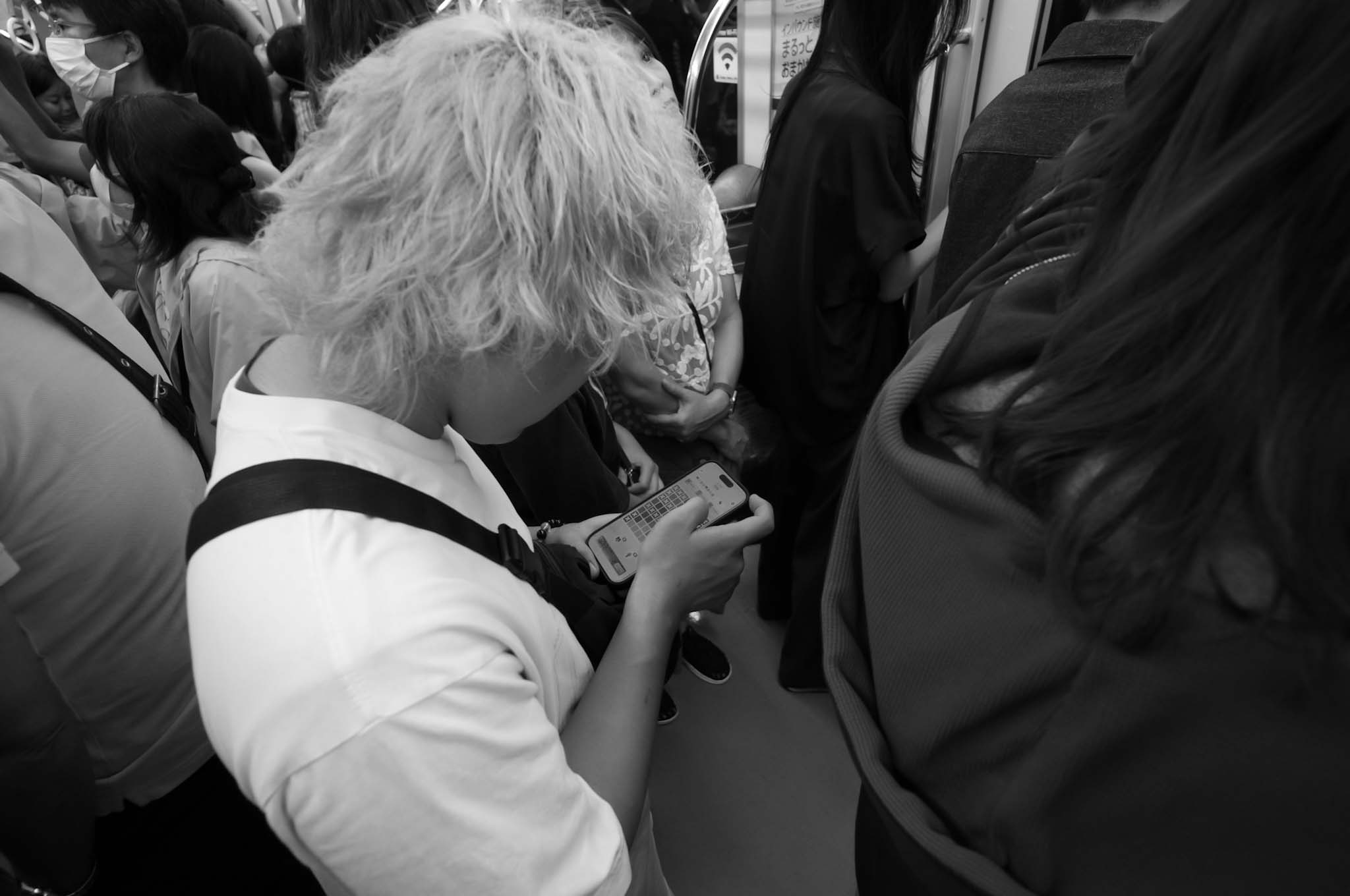
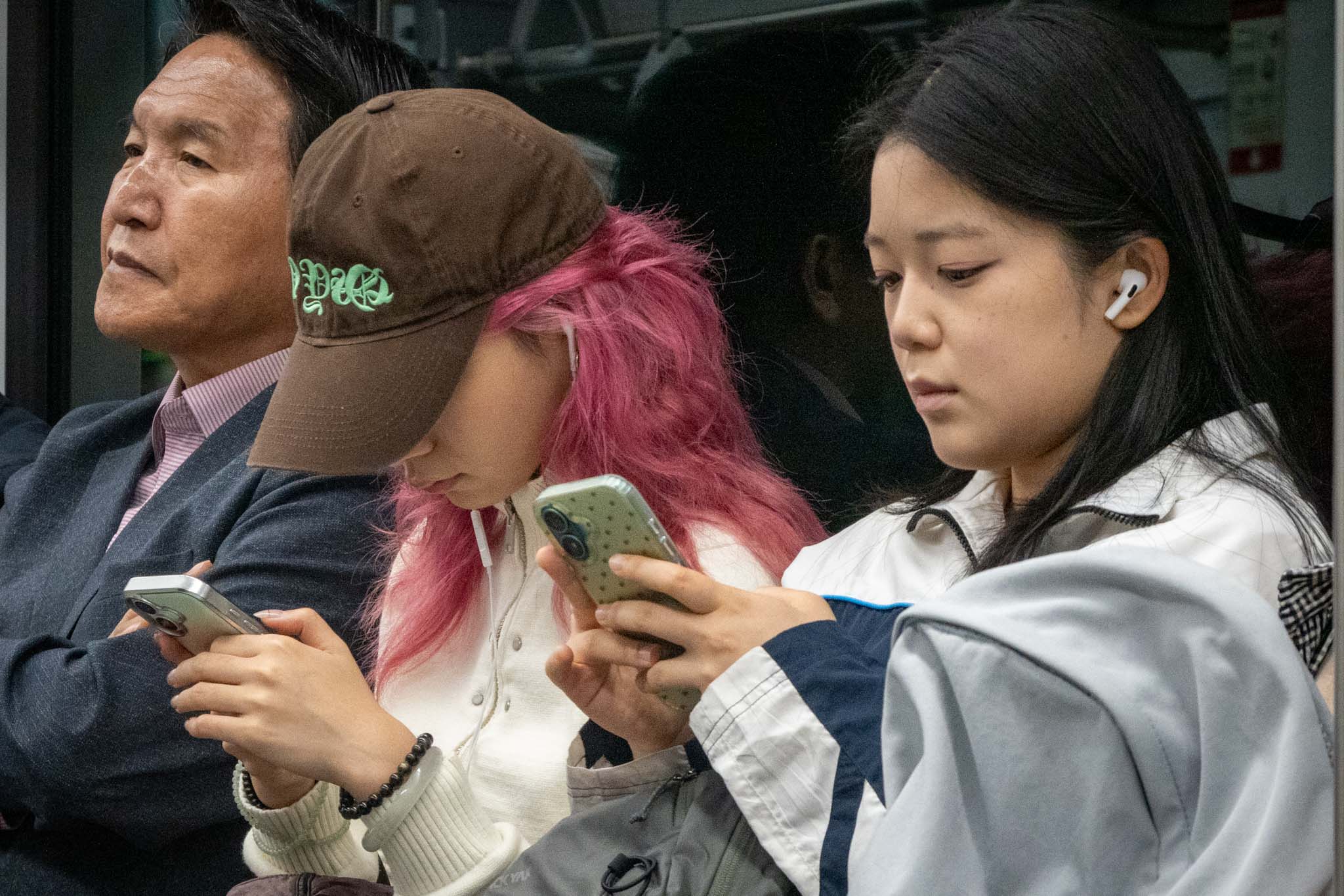
There is a particular kind of silence that I have come to recognize while traveling through Asia. It is not the peaceful silence of a Buddhist temple in the mountains outside Busan, nor the stillness of a Japanese garden early in the morning. It is the silence of a crowded subway carriage in Tokyo, Seoul, Hong Kong or Singapore, where dozens of people sit shoulder to shoulder, their faces illuminated by the small screens they hold in their hands. Nobody looks particularly lonely, nobody seems uncomfortable, yet almost nobody is talking.
I have spent a considerable part of my life traveling through these cities, sometimes returning after years, sometimes after only a few months. Their transformations have been extraordinary. Skylines have changed beyond recognition, entire neighborhoods have disappeared, and the speed of everyday life has accelerated in ways that would have been difficult to imagine only a generation ago. But perhaps the most profound transformation is not architectural or economic. It is behavioral, and it is visible in the smallest gestures of ordinary people.
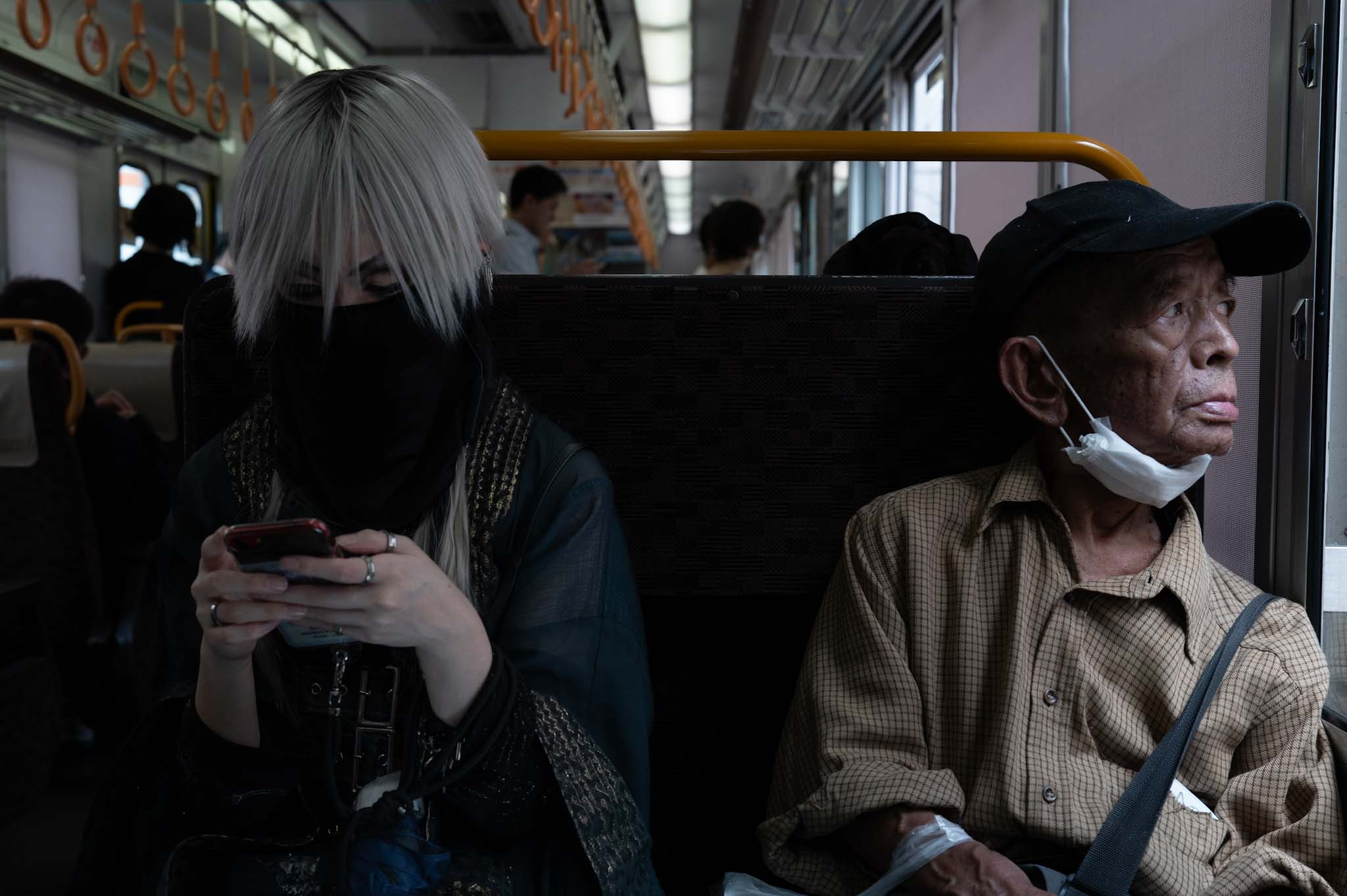
In Osaka last September, while documenting the contrasts between Japan’s futuristic ambitions and its rapidly aging population, I found myself observing people rather than buildings. On trains, in cafés and along busy shopping streets, smartphones seemed to occupy almost every moment of inactivity. The few minutes waiting for a friend, the short journey between stations, even the pause between ordering a coffee and receiving it had become opportunities to enter another world. The physical city continued moving around its inhabitants, but their attention was increasingly directed elsewhere.
Of course, it would be simplistic to suggest that people were more sociable before smartphones appeared. Anyone who traveled on the Tokyo subway thirty years ago will remember passengers hiding behind newspapers, reading manga or sleeping through their journeys. Silence has long been part of the etiquette of Japanese public transportation, and a quiet carriage is not necessarily evidence of social isolation. What has changed, I suspect, is something more subtle: the disappearance of those brief intervals when we had little choice but to observe the world around us.
In the past, waiting was simply waiting. Today, it has become a space to be filled.
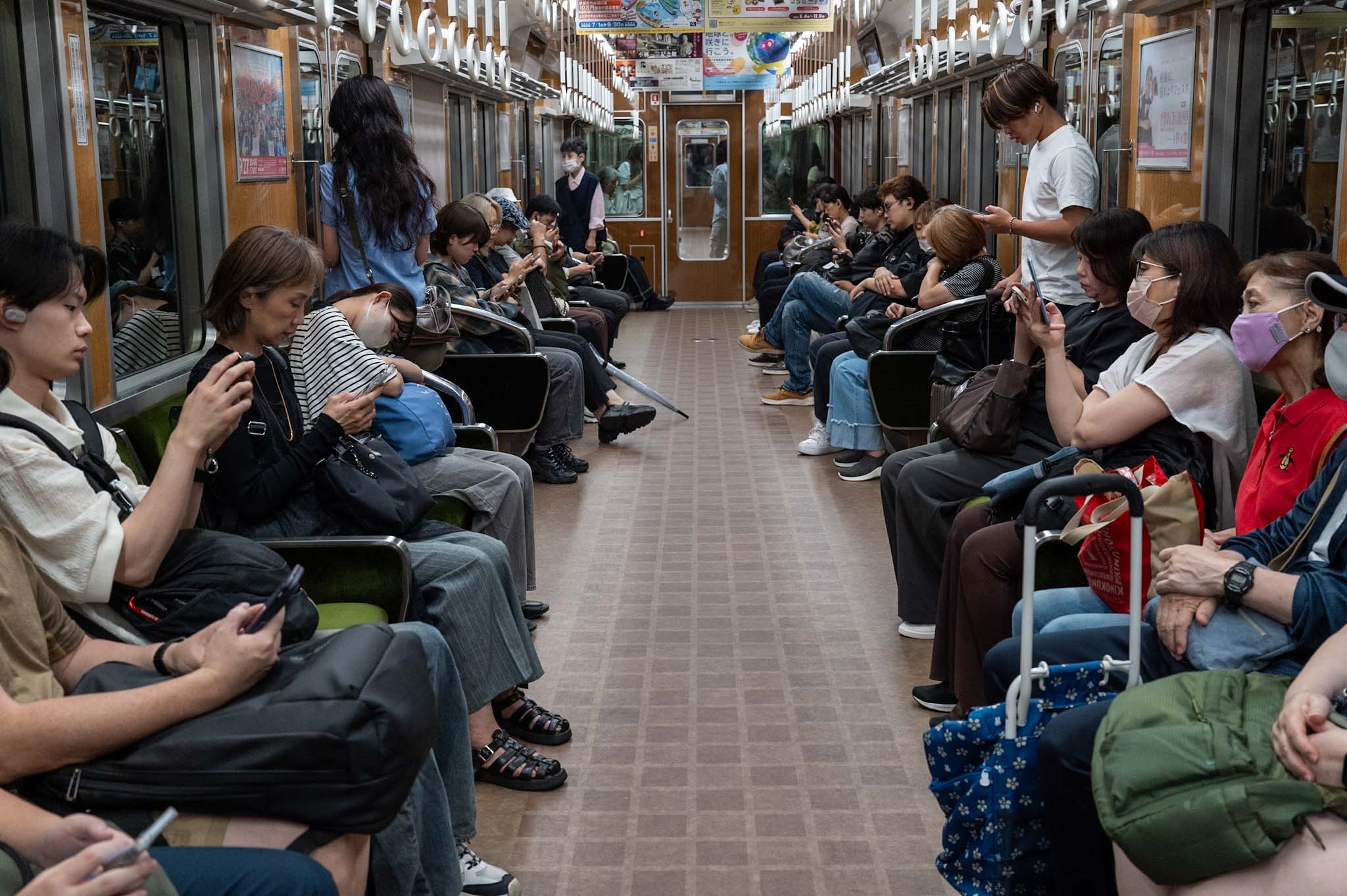
The distinction matters particularly to someone who spends much of his time walking through cities with a camera. Street photography depends on attention, on noticing the unexpected gesture, the fleeting expression, the small interaction that reveals something larger about a place. I have often wondered how many of those moments we miss when our eyes are permanently occupied by a screen. Not because technology prevents us from seeing, but because it offers us an endlessly convenient alternative to looking.
In Seoul, during my recent visits, I was struck by the extraordinary energy of Gangnam after dark. Giant illuminated advertisements, crowded sidewalks, cafés and restaurants overflowing with young people: everything suggested a city intensely alive. Yet, inside many of those establishments, I noticed the familiar scene of friends sitting together while periodically retreating into their individual digital worlds. Conversations continued, interrupted by notifications, photographs, messages and the almost automatic movement of a thumb across a screen.
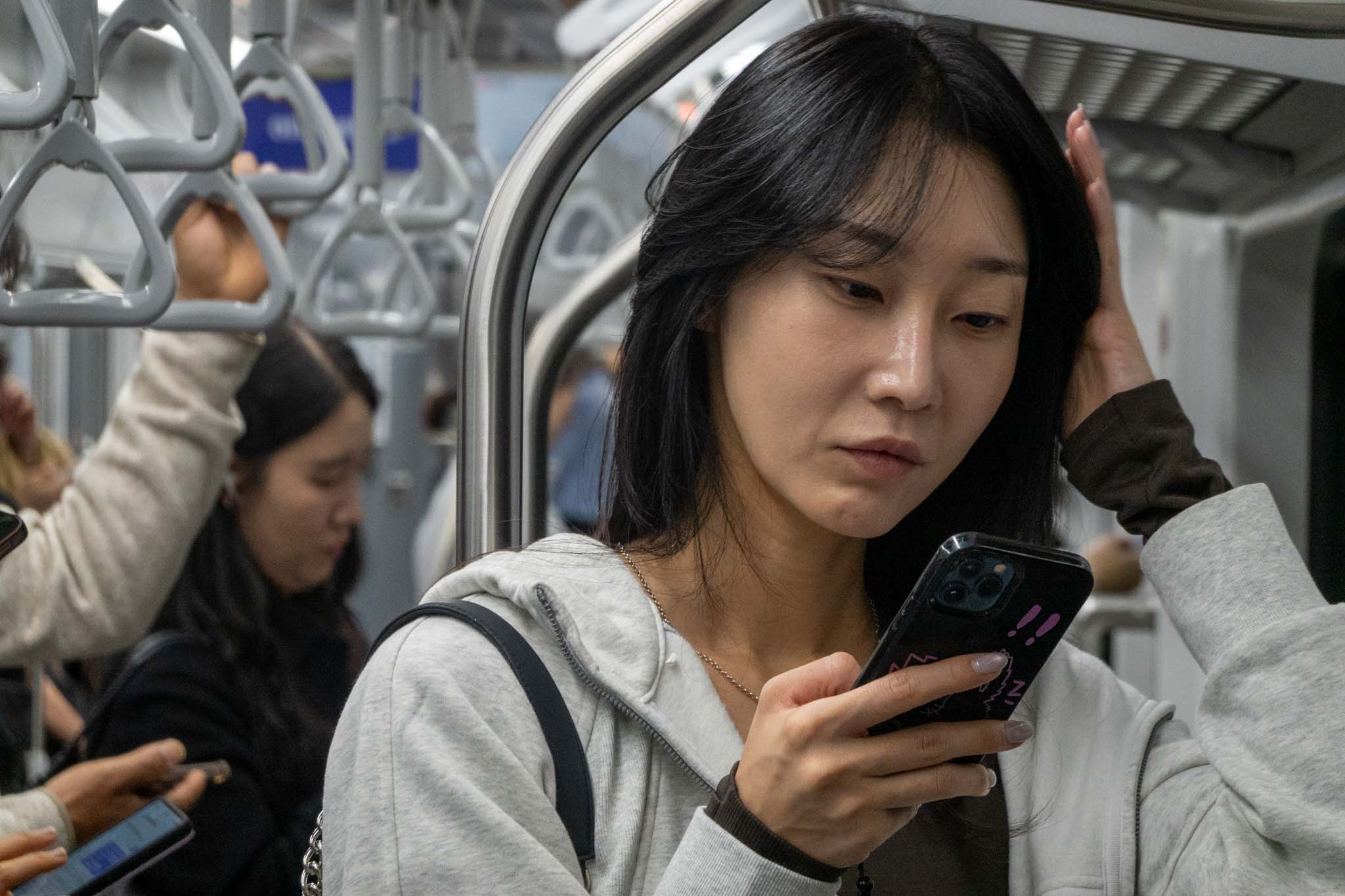
It would be unfair to describe these people as disconnected. They might have been communicating with family members, maintaining friendships across continents, arranging their next meeting or sharing something meaningful with the person sitting beside them. A smartphone can be an instrument of intimacy as much as distraction. What interested me was the ease with which attention moved between the person physically present and the countless others available through a device.
We have become extraordinarily accessible to people who are absent, while sometimes becoming less available to those immediately around us.
This paradox is particularly visible in societies where technological innovation has advanced at remarkable speed. South Korea, Japan, Singapore and China have developed digital ecosystems that make everyday life astonishingly efficient. Payments, transportation, shopping, communication and entertainment are increasingly integrated into a single device. For a traveler, the convenience is undeniable. I use these technologies constantly myself, and I would have little desire to return to the days of paper maps, unreliable telephone connections and searching for an internet café to send a message home.
Yet convenience is not the same as connection.
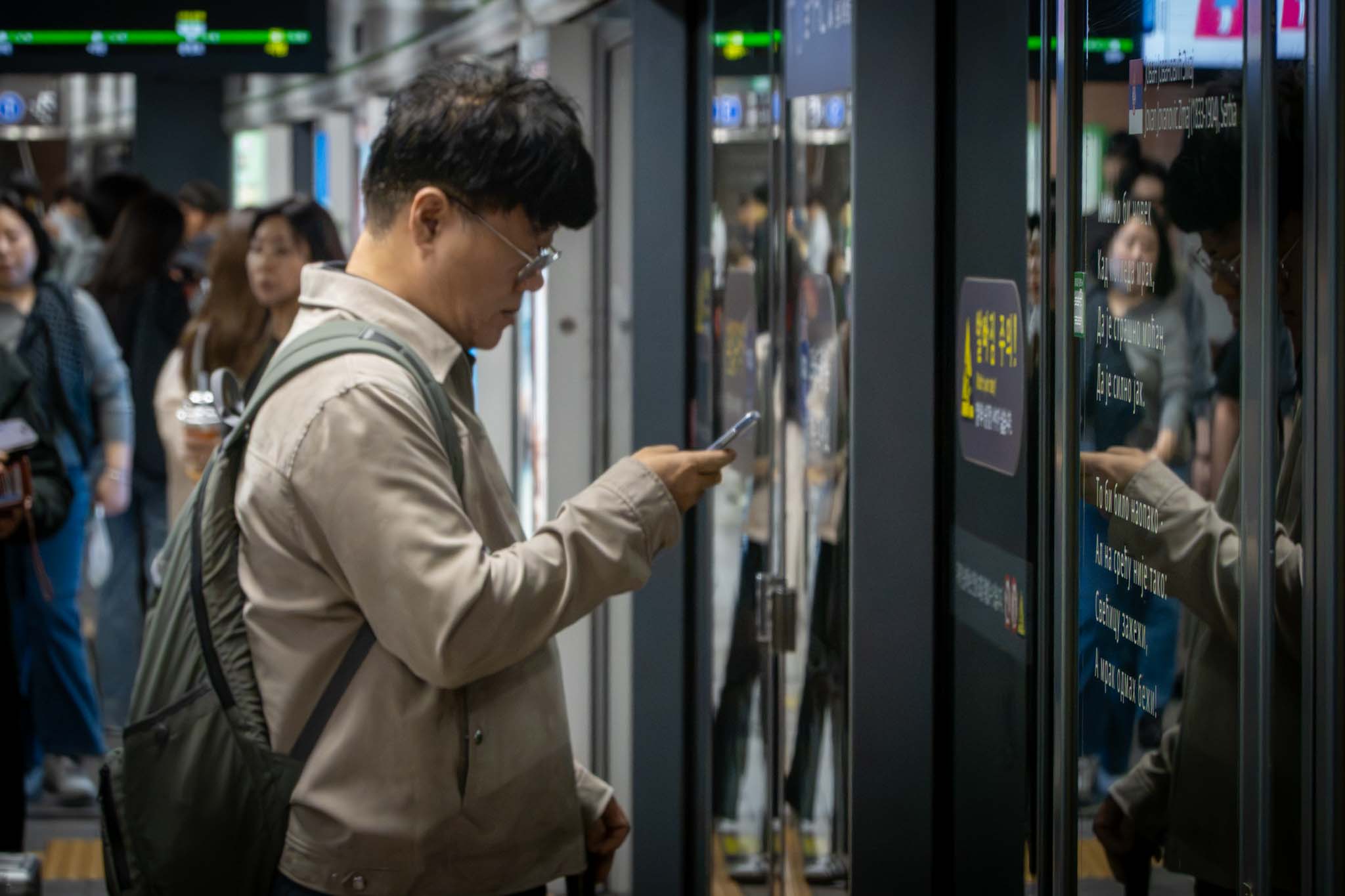
Some months ago, writing about China’s growing loneliness economy, I explored the emergence of services designed to provide companionship in increasingly individualistic urban societies. The phenomenon raises an uncomfortable question. How can societies equipped with the most sophisticated communication technologies also generate a commercial market for something as elementary as human company?
The answer is certainly more complicated than blaming smartphones. Urban migration, demanding working cultures, smaller households, declining birth rates and changing family structures all contribute to the transformation of social relationships. Technology is part of this landscape, but it is also a response to it. For someone living alone in a vast city, a video call with a distant parent or a message from an old friend can represent a genuine and valuable connection. Digital communication may relieve loneliness rather than create it.
Still, I find myself returning to the distinction between being connected and feeling accompanied.
In Singapore, where I lived years ago, I have photographed elderly men gathering around tables in Chinatown, playing games, exchanging comments and spending long afternoons in one another’s company. I remember those streets particularly well because I once lived only a few minutes away, in Mosque Street. Their conversations were not necessarily profound, nor were their meetings organized around any particular purpose. They were simply sharing time, occupying the same physical space, recognizing familiar faces and maintaining relationships through repetition.
There is something quietly reassuring about such scenes. Nobody needs to explain the value of being there. The relationship exists in the act of returning, day after day, to the same place and the same people.
I have encountered similar moments in Vietnam, where plastic stools spill onto sidewalks and conversations unfold over coffee, and in the markets of Korea, where elderly vendors exchange remarks between customers. These places are not untouched by technology, nor should they be romanticized as remnants of a supposedly better past. The people gathered there may be just as attached to their phones as anyone else. But they remind me that companionship often depends less on constant communication than on the simple possibility of being together without needing a particular reason.
Perhaps age influences the way I see these changes. I belong to a generation that remembers traveling without being permanently reachable, when disappearing for a few hours was entirely normal and discovering an unfamiliar city required asking questions, making mistakes and occasionally getting lost. There was frustration in that experience, certainly, but also a degree of spontaneity that seems increasingly rare. Some of my strongest travel memories began with an unexpected conversation or a wrong turn, neither of which would have occurred had I been following the instructions of a screen.
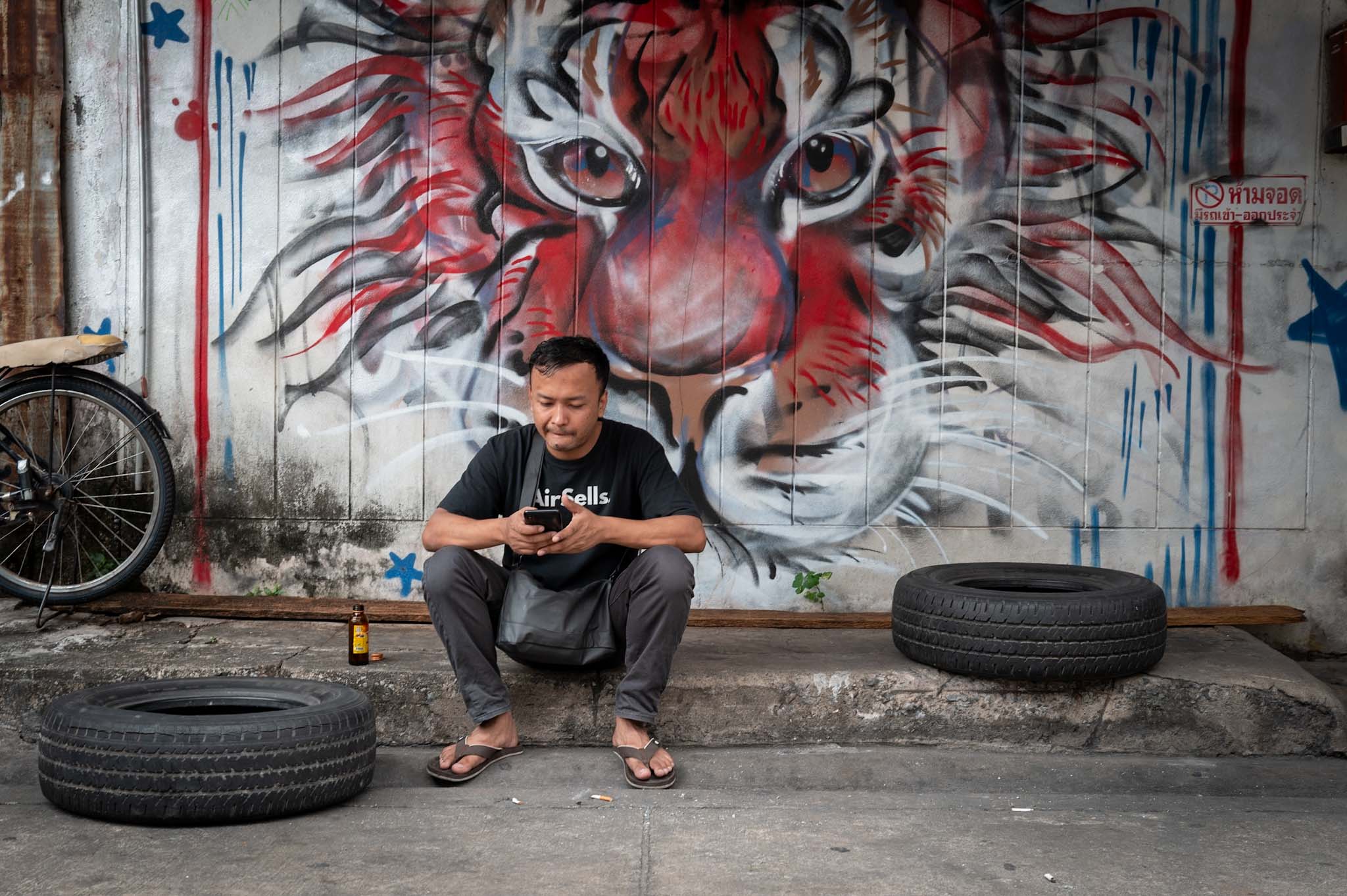
I do not believe those experiences have vanished. Nor do I think younger generations are incapable of meaningful relationships simply because their social lives unfold partly online. They have developed forms of connection that my generation could scarcely have imagined. Friendships survive across continents, communities form around shared interests, and people who might once have felt isolated can find others who understand them.
The danger lies elsewhere: in allowing the extraordinary usefulness of these technologies to convince us that every unoccupied moment must be filled, every experience documented and every silence interrupted.
Photography has taught me that some of the most revealing moments occur precisely when nothing remarkable seems to be happening. An old man watching the street from a café, two strangers exchanging a smile, a child studying the movements of a market vendor. Such scenes rarely demand attention. They reward it.
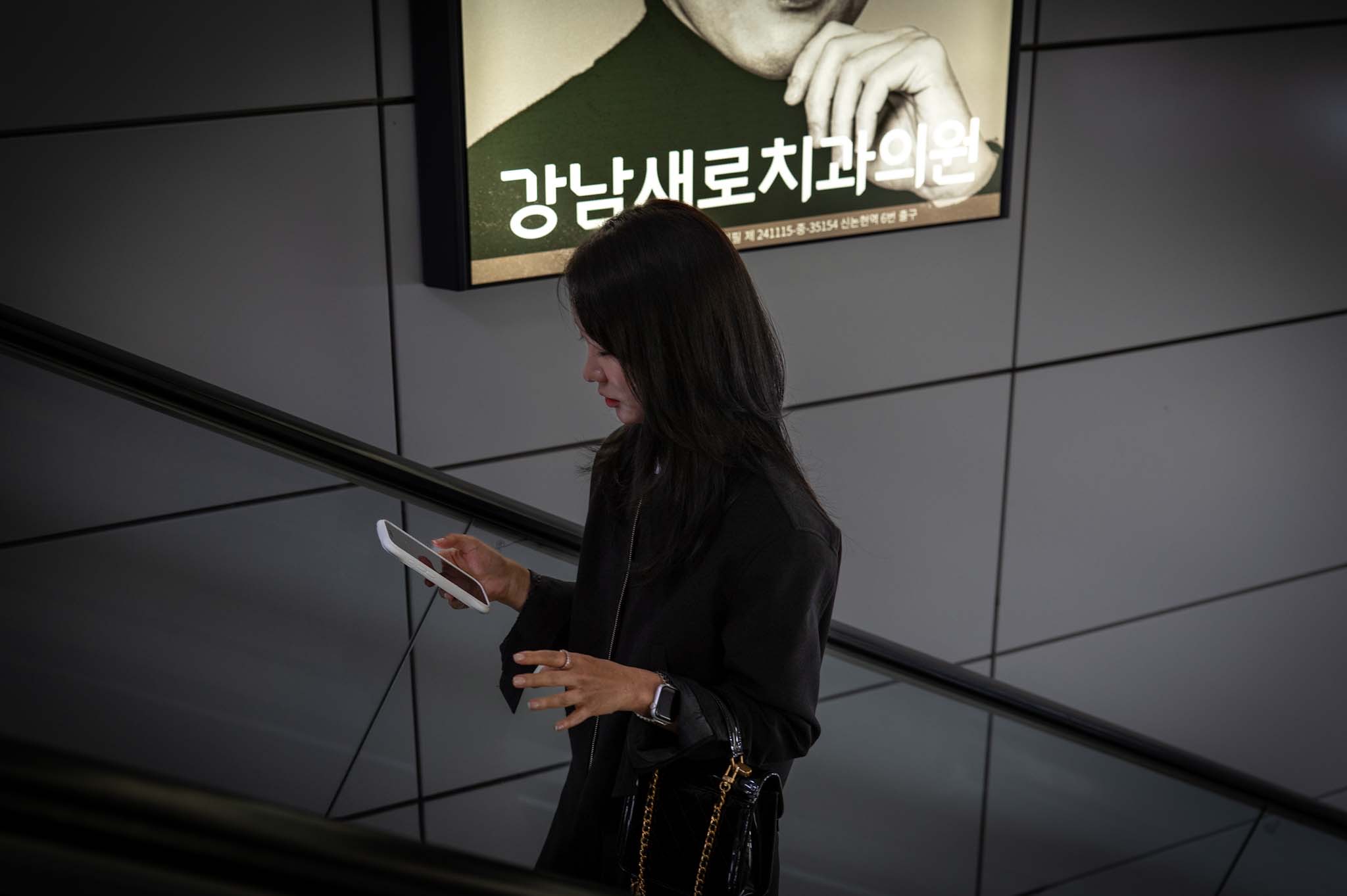
As I continue walking through the cities of Asia, camera in hand, I am increasingly conscious of how easily I could become another distracted figure in the crowd. I too check messages, consult maps, read news and occasionally find myself looking at a screen when the world around me deserves more attention. There is no moral superiority in carrying a Leica rather than a smartphone. Both can become instruments of distraction if we forget why we are using them.
But a camera, at least the way I try to use it, encourages me to remain curious about what is happening beyond its frame.
Perhaps that is what concerns me most about our permanently connected lives. Not that we have stopped talking to one another, because we clearly have not, but that we may be losing some of our willingness to look up, to observe without a purpose, and to discover the unexpected humanity of the people sharing our streets.
The next time I find myself in a crowded subway carriage in Tokyo or Seoul, I will probably see the same familiar landscape of bowed heads and glowing screens. I may even reach for my own phone.
But I hope I will remember to put it away, at least for a while. There is still an entire world unfolding just beyond the screen, and after all these years of traveling, I am not yet tired of watching it.
Discover more from THE QUIET REPORT
Subscribe to get the latest posts sent to your email.
