SILENCING THE UMBRELLAS
Written by Maurizio “Mau” Vagnozzi
Hong Kong has always fascinated me for its extraordinary contradictions. Few cities in the world combine such an intense concentration of commercial energy, cultural diversity and everyday human activity. Its narrow streets, crowded markets, ageing residential buildings and gleaming financial towers have provided an almost inexhaustible source of material for my photography and writing. Yet, beneath the familiar landscape of neon signs, double-decker trams and ferries crossing Victoria Harbour, as I wrote already multiple times, another Hong Kong has been quietly disappearing. It is the city that once allowed its citizens to challenge authority openly, demonstrate in the streets, publish uncomfortable opinions and argue passionately about their political future.
Today, November 5, 2026, that transformation acquired another painful symbol.
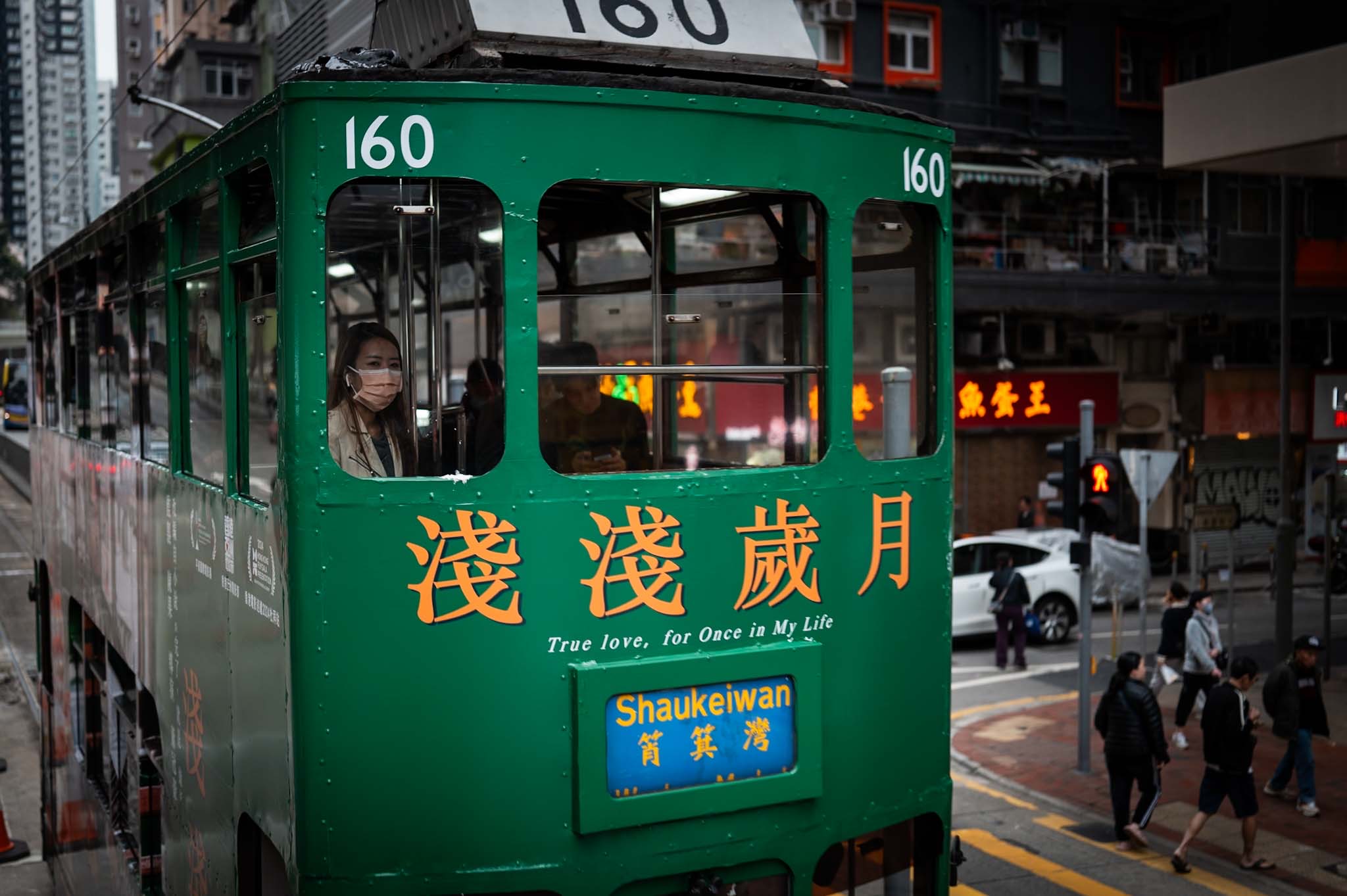
Joshua Wong, the former student leader who became one of the most recognisable faces of Hong Kong’s pro-democracy movement, was sentenced to another ten years in prison under the national security law imposed by Beijing in 2020. Wong, now 30, has already spent nearly six years behind bars. He had been expected to regain his freedom in January 2027. Instead, his imprisonment is now expected to extend into 2036, a remarkable prospect for someone whose political activism began when he was barely a teenager.
Wong’s latest conviction concerns allegations that he conspired with activists overseas, including Nathan Law, to encourage foreign governments to impose sanctions and other measures against China and Hong Kong. He pleaded guilty in September. The court considered the offence grave, while the authorities defended the prosecution as a necessary application of legislation intended to protect national security. Beijing has consistently argued that the law restored stability after the turbulent demonstrations of 2019, some of which descended into violence. Human rights organisations, however, see the same legislation as an instrument that has dramatically narrowed the space for political dissent. The disagreement goes well beyond the fate of one activist: it concerns the increasingly uncertain boundary between protecting the state and allowing citizens to question its actions.
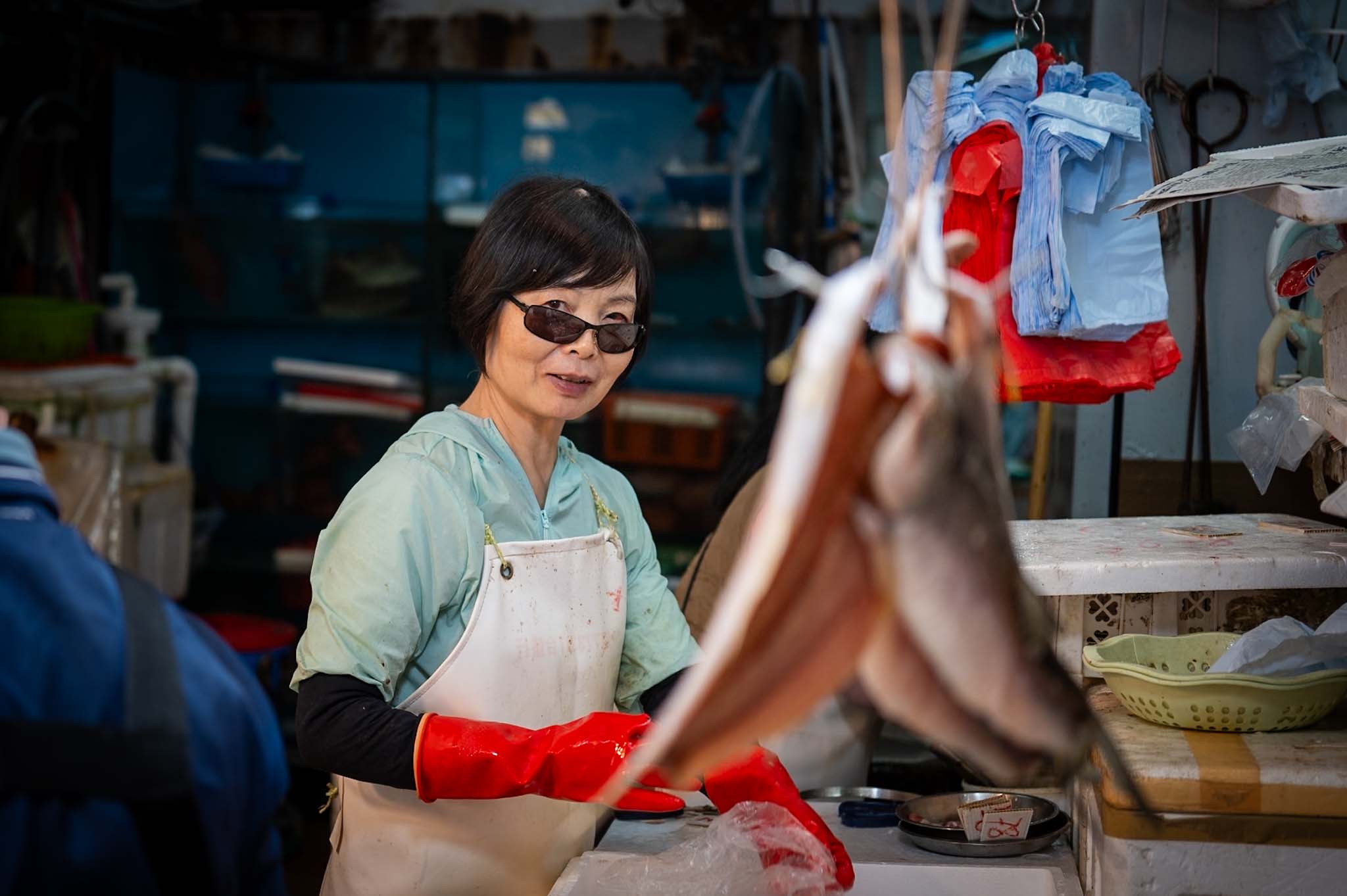
I remember Hong Kong as a place where political disagreement was not hidden from view. Demonstrations, newspaper headlines, conversations in cafés and political posters were all part of the city’s public character. During the 2014 Umbrella Movement, thousands of students and ordinary residents occupied major thoroughfares, demanding greater democratic accountability. The yellow umbrella became an unlikely emblem of resistance, an everyday object transformed into a symbol recognised around the world. Whatever one’s political sympathies, the sight of young people confronting questions about their city’s future with such determination was impossible to ignore. It was also an expression of something that had long distinguished Hong Kong from mainland China: the expectation that public disagreement could be visible, noisy and legitimate.
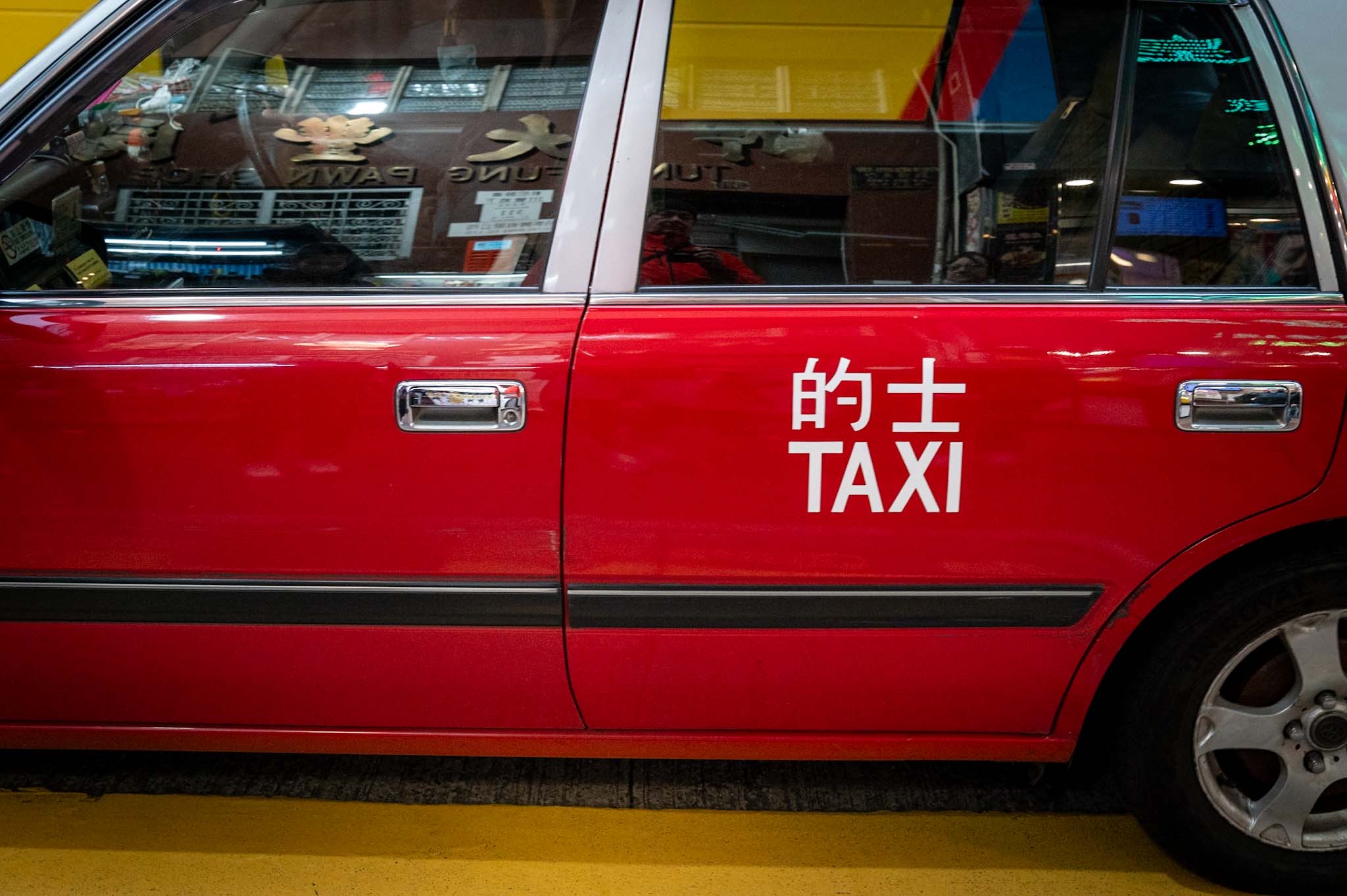
The massive protests of 2019 took that confrontation to another level. What began as opposition to a proposed extradition bill evolved into a broader struggle over political representation, police accountability and the preservation of civil liberties. The demonstrations also exposed deep divisions within Hong Kong society, and the violence that accompanied parts of the movement complicated what had initially been an overwhelmingly peaceful campaign. But the fundamental question remained: how much freedom would Hong Kong retain under the political framework established after the 1997 handover? The national security law introduced the following year provided Beijing’s answer, shifting the balance decisively toward state authority.
The consequences of that shift are not confined to courtrooms or political institutions. They can also be understood through the smaller, less dramatic changes I have observed and written about over the years. In previous Vitavissuta articles, I have returned repeatedly to the subjects of freedom of speech and the right to protest, but also to the disappearance of independent bookstores and the cultural spaces that once made Hong Kong’s intellectual life so distinctive. These developments may appear unrelated at first glance. A political activist sentenced to prison, a demonstration that can no longer take place, a bookstore closing its doors: each belongs to a different part of urban life. Yet together they reveal how a society’s public conversation can gradually contract.
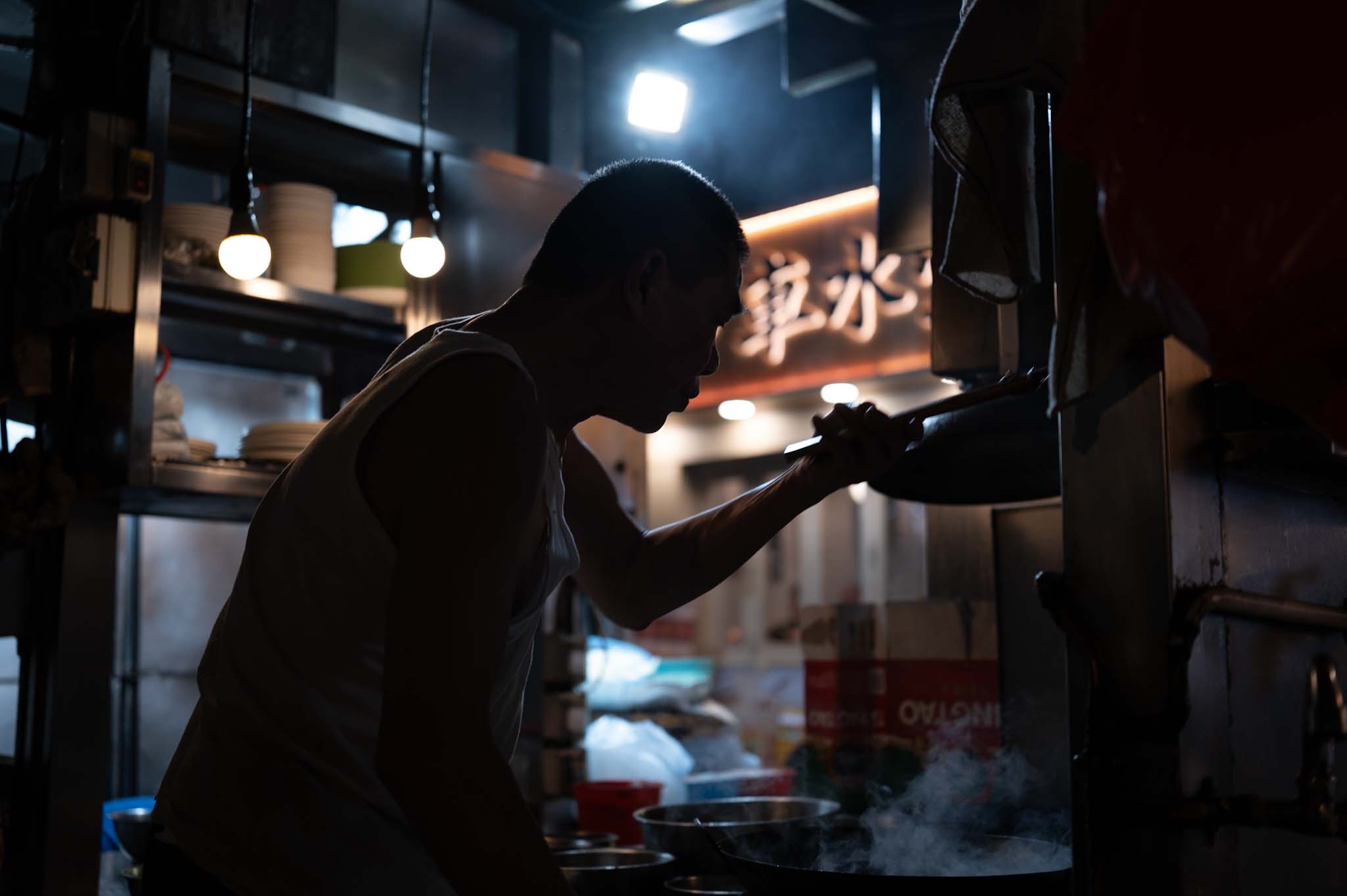
A bookstore is not simply a place where books are sold. In a city like Hong Kong, where commercial rents are notoriously high and almost every square metre must justify its existence economically, independent bookshops have historically represented something more valuable than their modest financial returns. They have been places of discovery, debate and intellectual independence, sometimes carrying political titles and historical interpretations unavailable across the border. Their disappearance has several causes, including expensive property, changing reading habits and competition from digital commerce. But the political environment has added another dimension: the increasing sensitivity surrounding what can be published, distributed and discussed. When a bookseller begins to question whether a particular title might create legal difficulties, censorship no longer needs to arrive as an explicit prohibition. It can become an instinct.
That is perhaps the most consequential change of all. Freedom of expression is not lost only when someone is arrested for speaking. It also diminishes when people begin to calculate the possible consequences of an ordinary conversation, when publishers avoid controversial subjects, when academics become cautious about their research, or when citizens conclude that silence is safer than participation. The result is not necessarily a city without opinions. It is a city where opinions increasingly retreat into private spaces, while the public landscape becomes more orderly, more predictable and considerably less spontaneous.
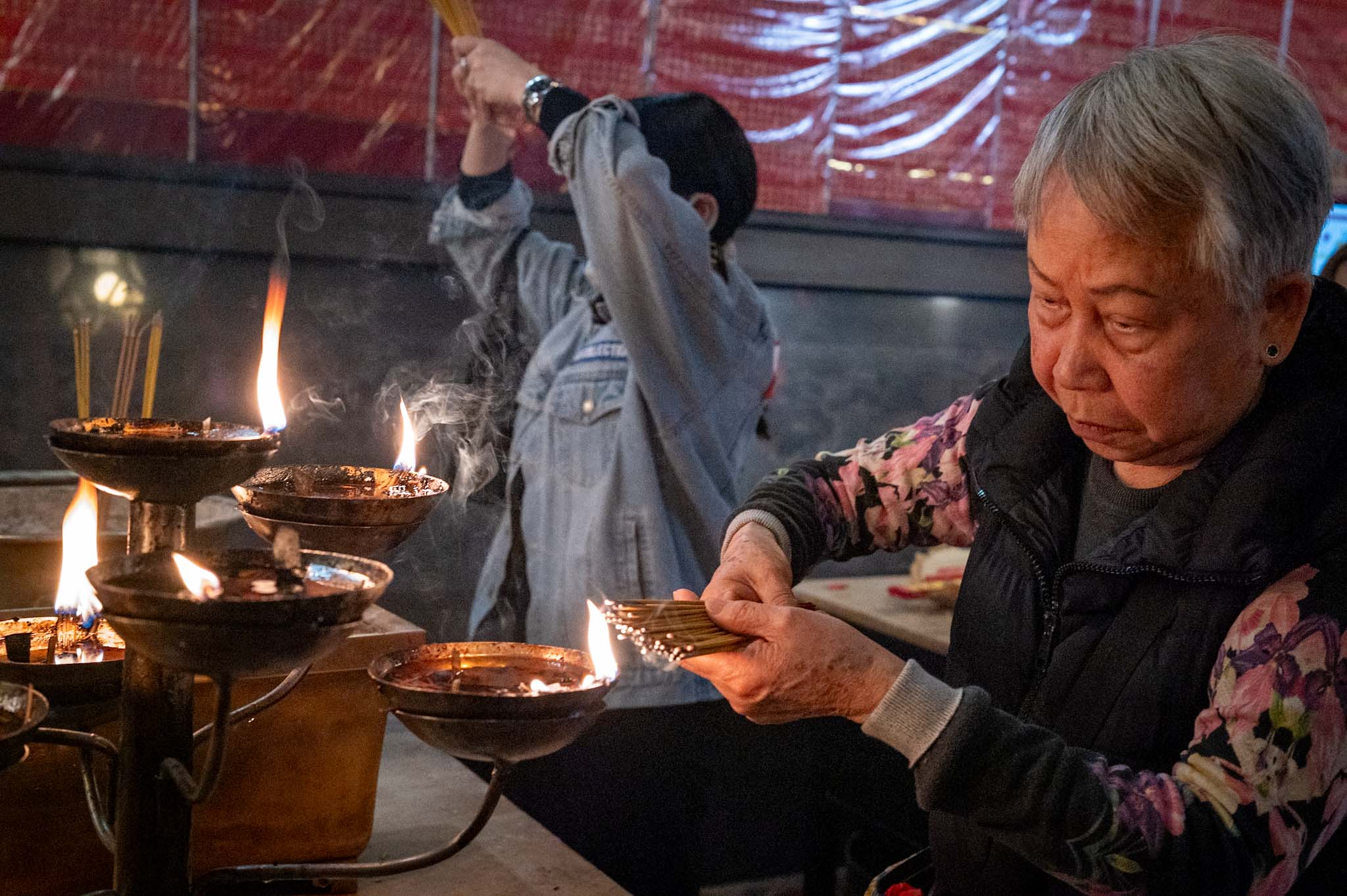
The pressure on Hong Kong’s booksellers is no longer merely theoretical. In 2024, Mount Zero, an independent bookstore in Sheung Wan, closed after repeated official inspections. In 2026, police actions against other independent booksellers, including those associated with Book Punch and Hunter Bookstore, brought the question of literary freedom into even sharper focus. Authorities have investigated alleged seditious publications, while critics argue that the cumulative effect is to discourage independent publishing. The distinction matters: not every bookstore closure is political, and not every government inspection is necessarily censorship. Yet when books, their sellers and their readers become subjects of national security scrutiny, the implications extend far beyond the retail business.
There is a similarly troubling parallel in the fate of Hong Kong’s independent press. The closure of Apple Daily in 2021, followed by the disappearance of other independent news organisations, profoundly altered the media landscape. Its founder, Jimmy Lai, received a 20-year prison sentence in February 2026. The cases of Lai and Wong are legally distinct, but together they illustrate the enormous personal consequences of political confrontation in today’s Hong Kong. A city once celebrated for its vigorous, often irreverent journalism has become a place where the limits of permissible criticism are considerably more restrictive.
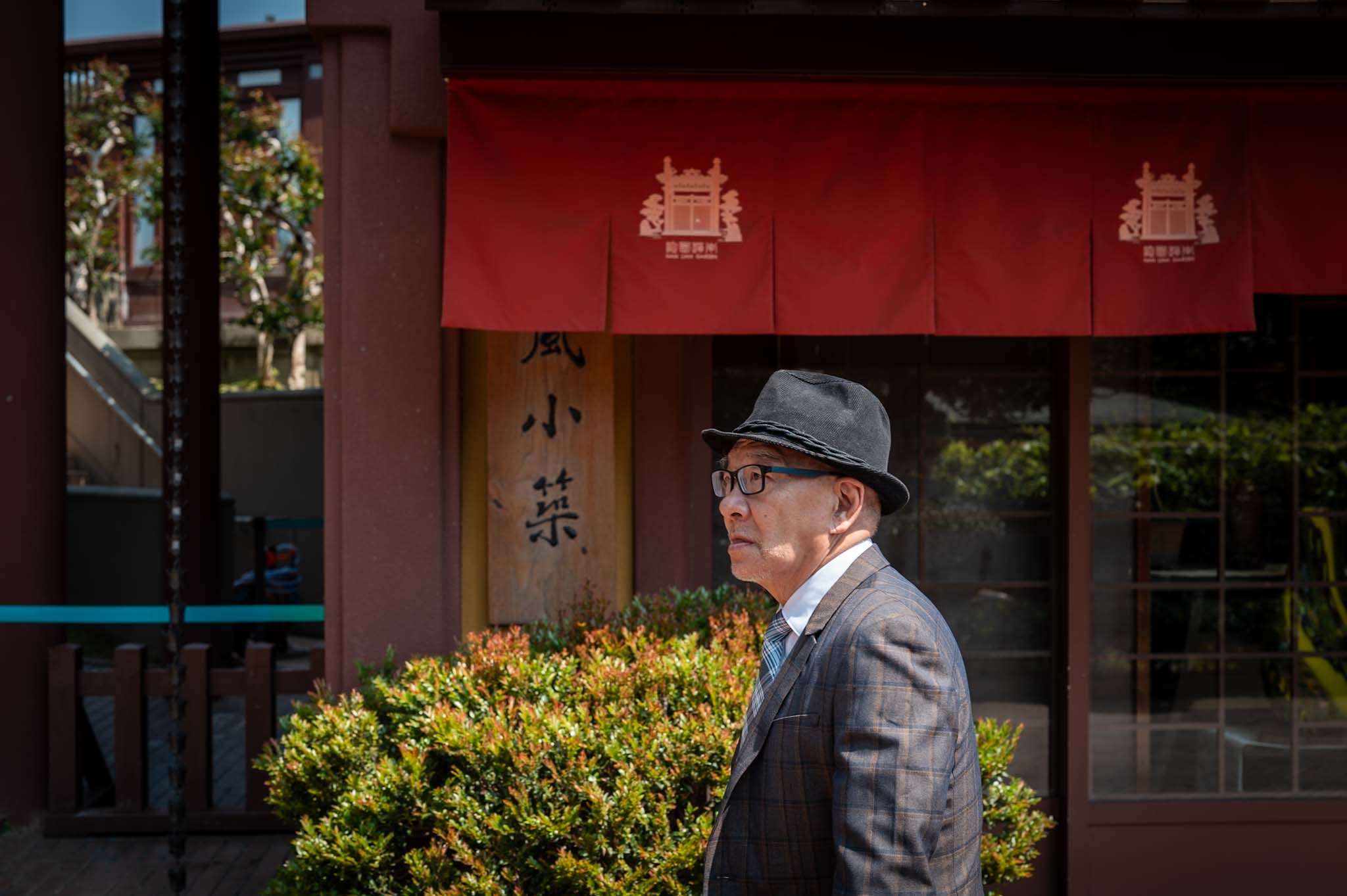
What makes this transformation particularly striking is that so much of Hong Kong’s everyday life continues uninterrupted. The Star Ferry still crosses the harbour, restaurants remain crowded, shopping malls flourish and the city’s financial machinery continues to operate. For a visitor, especially one arriving without memories of its recent political history, the changes may be almost invisible. The disappearance of freedom does not necessarily alter the skyline. It changes the relationship between citizens and the society in which they live.
Photography has taught me to pay attention not only to what appears within the frame, but also to what is missing. In Hong Kong today, those absences are becoming increasingly significant. The political banners that once appeared in the streets, the enormous public gatherings, the outspoken newspapers displayed at newsstands, the independent bookshops offering provocative ideas: these were not incidental features of the city. They formed part of its identity, reflecting a society that was commercially sophisticated but also intellectually restless, sometimes confrontational and unwilling to accept authority without question.
Joshua Wong’s sentence is therefore about more than the imprisonment of a single individual. It raises a question about what kind of Hong Kong will emerge when the generation that demanded greater political participation reaches middle age. Wong was a teenager when he began campaigning for democratic reform. If he remains imprisoned until 2036, he will be approaching 40 when he is released. An entire period of his adult life will have passed behind prison walls, while the city he once hoped to change continues to evolve without him.
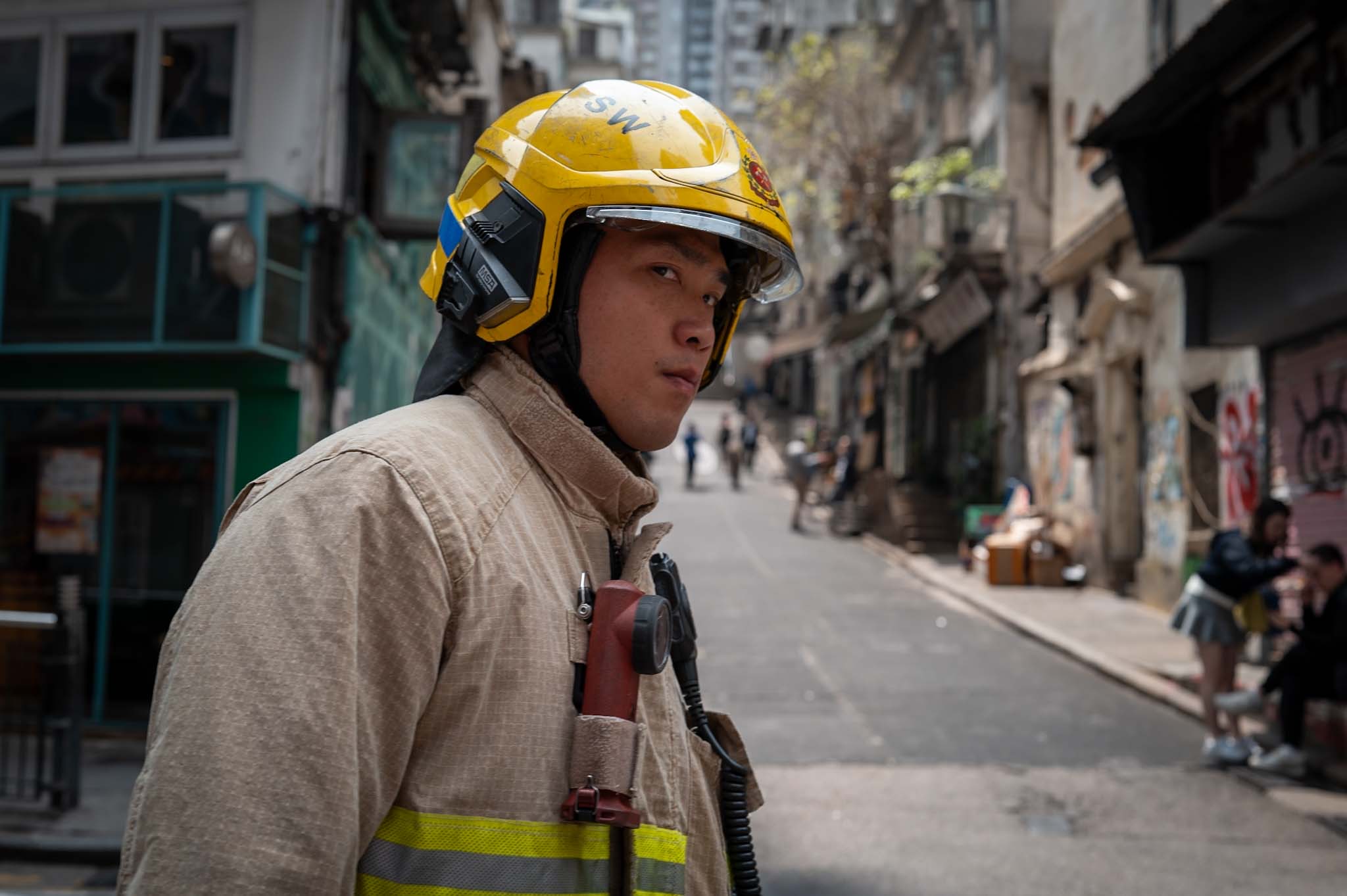
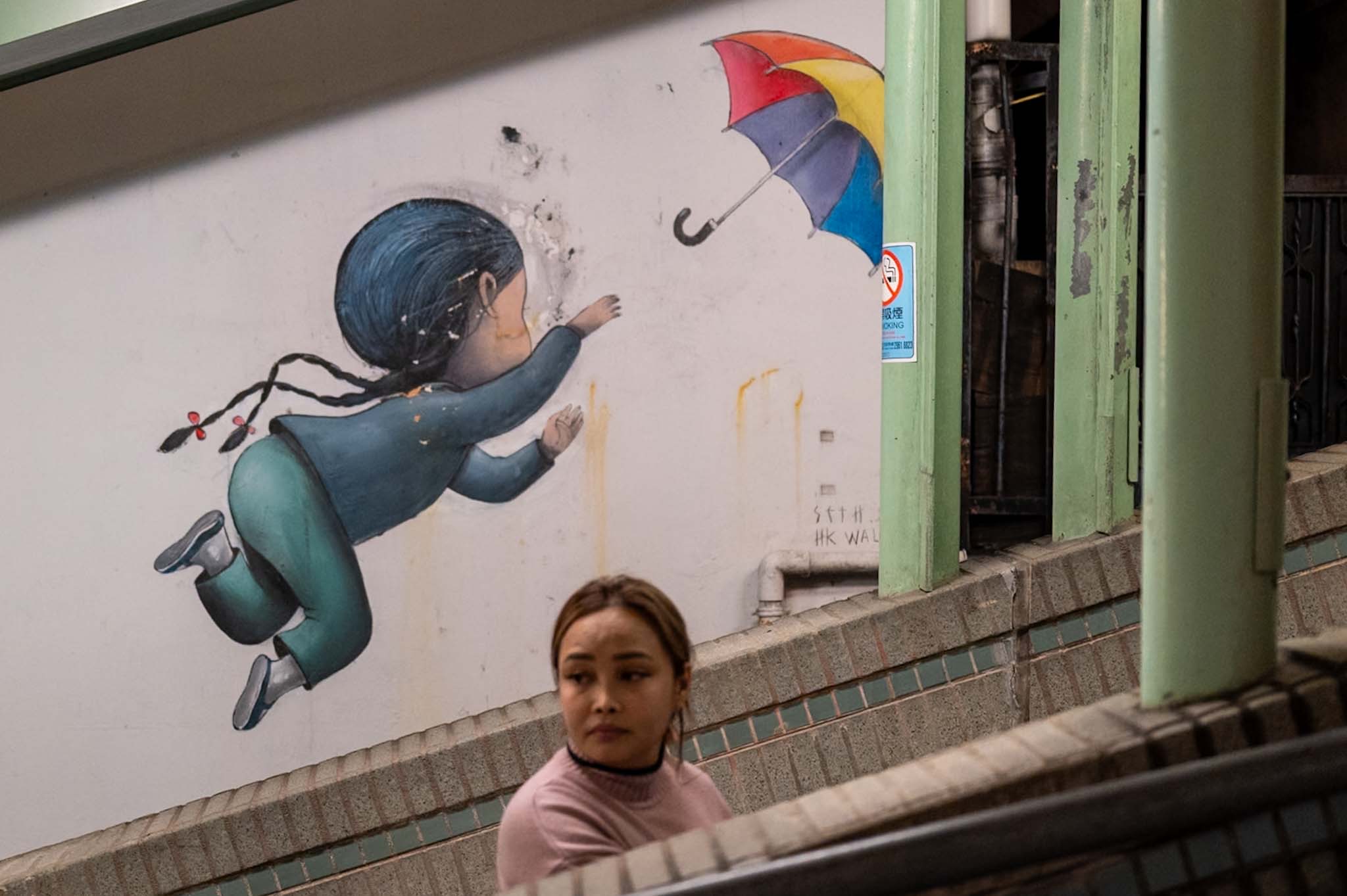
I will return to Hong Kong, as I have done so many times before, with the same curiosity and affection that have always drawn me to its streets. I will photograph its markets, its people, its extraordinary urban density and the small human gestures that survive amid the relentless pace of metropolitan life.
I will also look for what is no longer there, because a city’s identity is not defined only by its architecture, its wealth or the efficiency of its institutions: it is also defined by the freedom of its people to disagree, to question, to read and to imagine a different future.
Hong Kong remains an extraordinary city. The tragedy is that some of the qualities that once made it extraordinary are becoming increasingly difficult to see.
Discover more from THE QUIET REPORT
Subscribe to get the latest posts sent to your email.
