TEST MODE: Listen to the article on THE QUIET REPORT podcast
There is something profoundly beautiful about the imperfections of George Town. Walking through the old streets of Penang, I have often found myself drawn less to the carefully restored colonial buildings than to the neglected facades beside them.
Walls where layers of paint have surrendered to the tropical humidity, wooden shutters hanging slightly out of alignment, faded Chinese characters above a shop entrance, and plants emerging from cracks in the masonry. These are the details that give the city its unmistakable character, suggesting that history is not something confined to museums but something still unfolding, quietly and sometimes precariously, in everyday life.

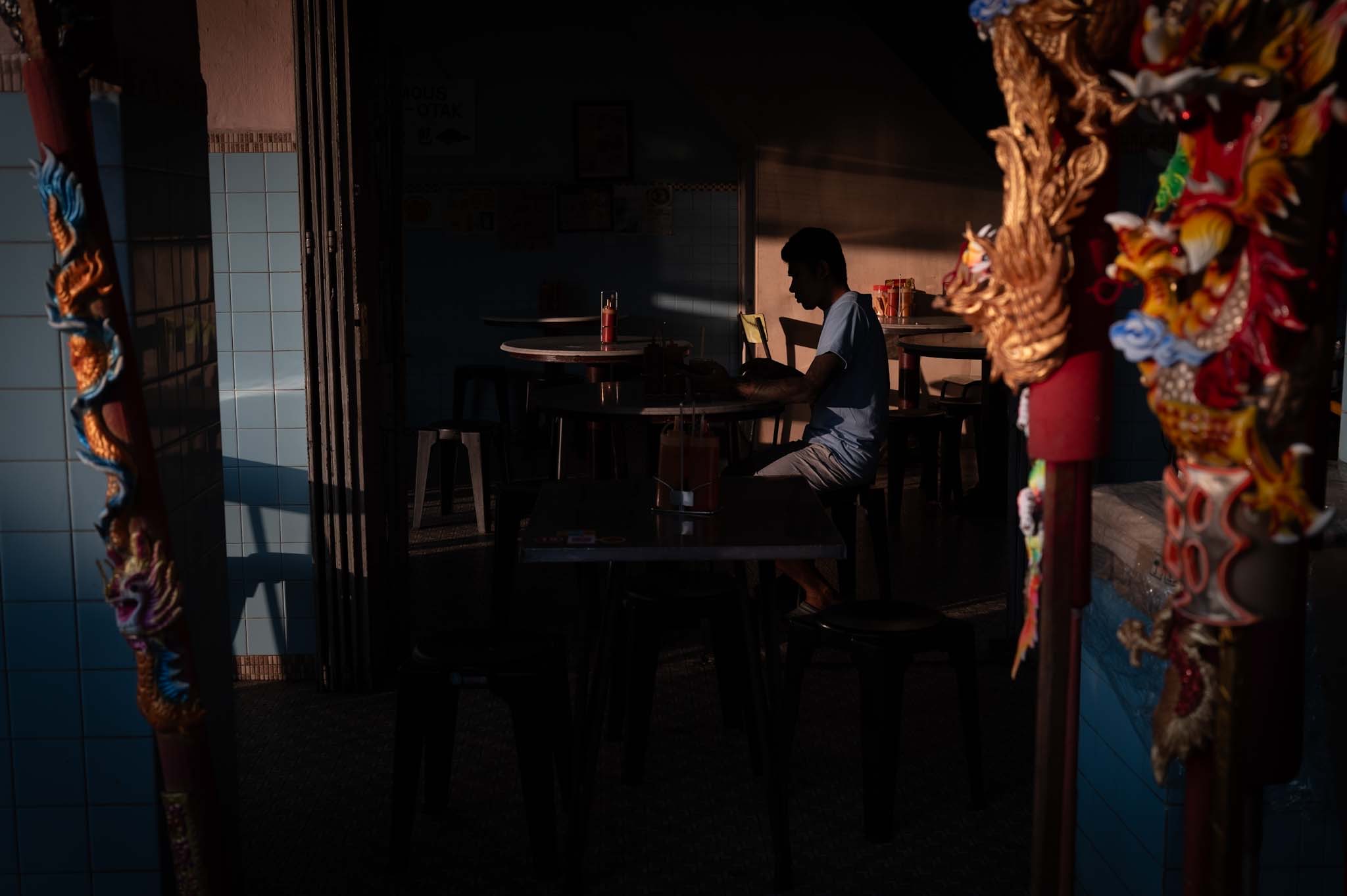
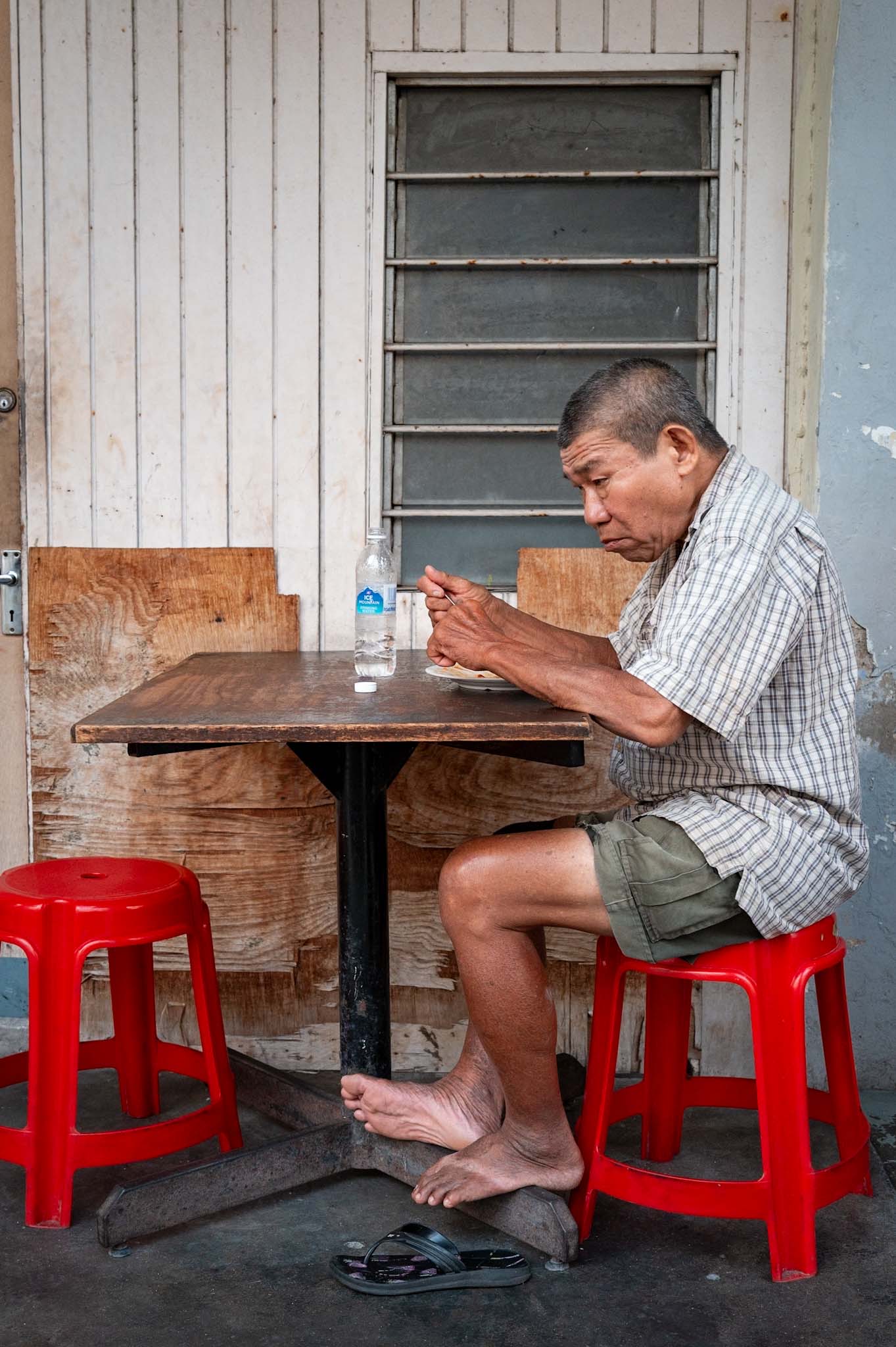
George Town has long been one of my favourite places to photograph in Southeast Asia. Its extraordinary mixture of Chinese, Malay, Indian and European influences is visible almost everywhere, from the architecture of its shophouses to the temples, mosques, clan associations and small businesses that occupy its narrow streets. But what interests me most is the relationship between these buildings and the people who inhabit them. An elderly shopkeeper sitting behind a counter, a woman preparing offerings outside a temple, a man resting in the shade of a five-foot way: ordinary moments that reveal the continuity of a city whose identity has been shaped by centuries of migration, commerce and cultural exchange.
Yet the beauty of George Town is also remarkably fragile.
In early November 2026, the Penang Island City Council announced a programme to inspect 3,853 heritage buildings for termite damage and structural risks. The decision followed an incident in August, when falling materials from a historic building along Armenian Street injured two tourists. The announcement was a reminder that behind the picturesque facades celebrated by photographers and visitors lies a much less romantic reality. Old buildings deteriorate, timber weakens, tropical rain penetrates walls, and the cost of keeping architectural history alive can become an enormous burden.
The numbers tell an interesting story. According to local authorities, the number of dilapidated buildings within George Town’s UNESCO heritage area has fallen from 510 in 2008 to just 63 in 2026. This is a considerable achievement, particularly for a city whose historic centre contains thousands of structures requiring different degrees of maintenance and conservation. Since George Town and Melaka were jointly inscribed on the UNESCO World Heritage List in 2008, conservation efforts have helped transform the city’s international reputation. Buildings once considered outdated or commercially unattractive have become valuable architectural assets, attracting investment, tourism and renewed interest in the city’s cultural heritage.
But preservation is never simply a question of repairing walls.
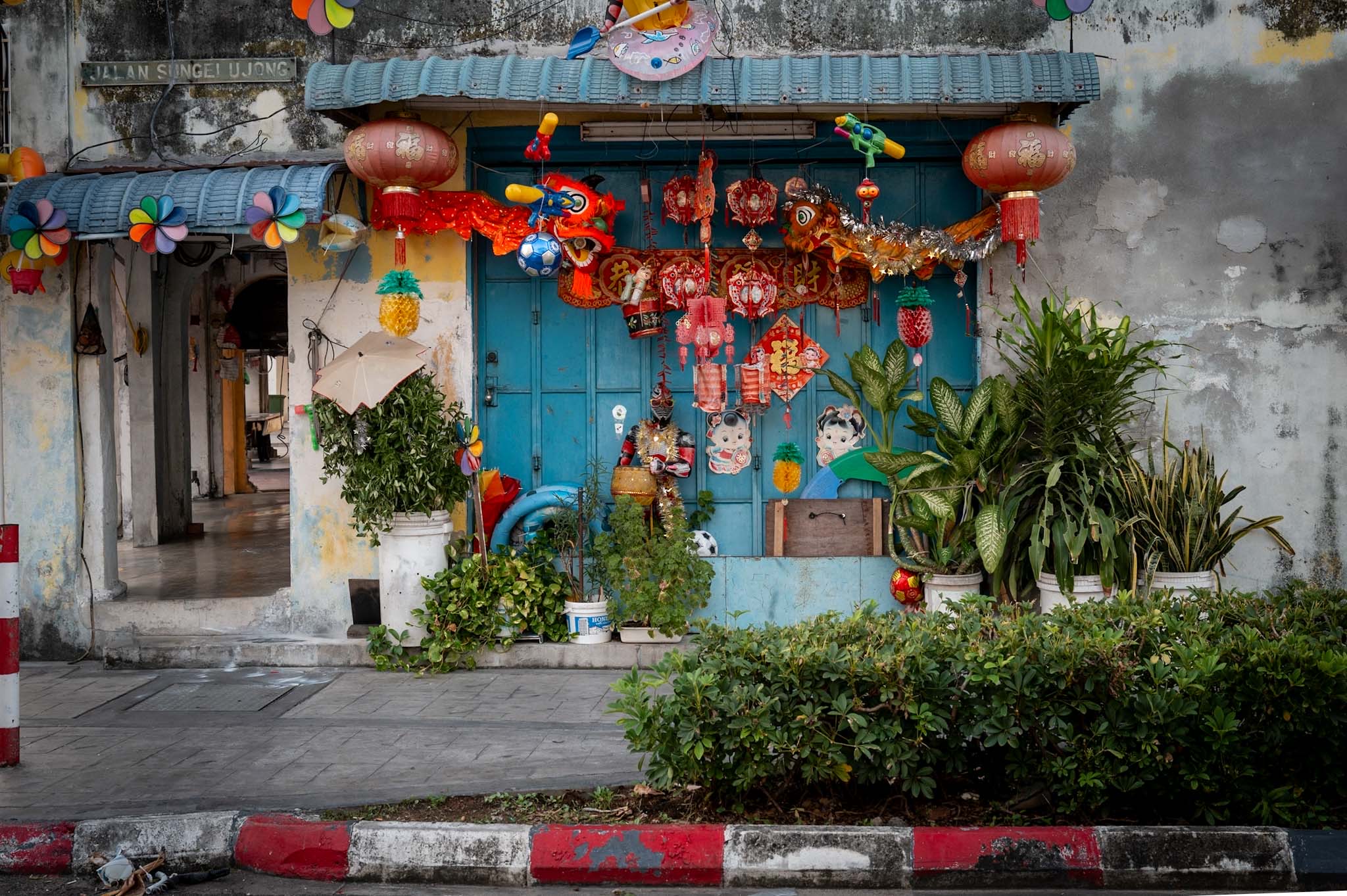
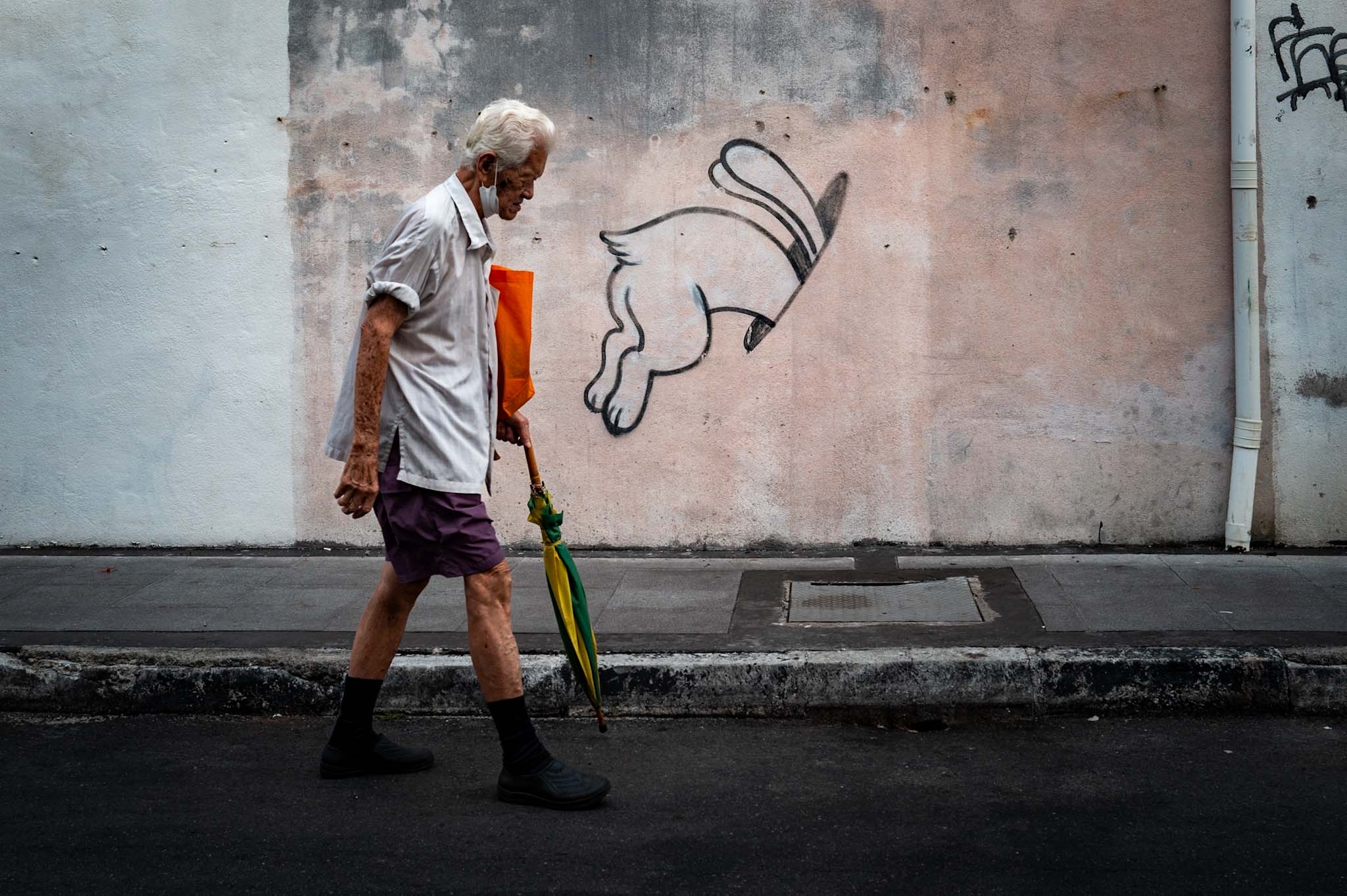
George Town’s traditional shophouses were designed for a particular way of life. Their narrow frontages, deep interiors, internal courtyards and covered pedestrian walkways reflected a practical combination of commerce, family life and adaptation to the tropical climate. The ground floor was often a place of business, while the family lived above or behind it. Architecture and daily life were inseparable. A building’s significance came not only from its appearance but from the generations of people who had used it.
Today, many of these buildings are being restored as boutique hotels, cafés, restaurants and galleries. Some restorations are sensitive and admirable, rescuing structures that might otherwise disappear. Others raise more difficult questions about the meaning of conservation. A perfectly repainted facade may satisfy architectural standards, but if the traditional business disappears and the family that occupied the building can no longer afford to remain, what exactly has been preserved?
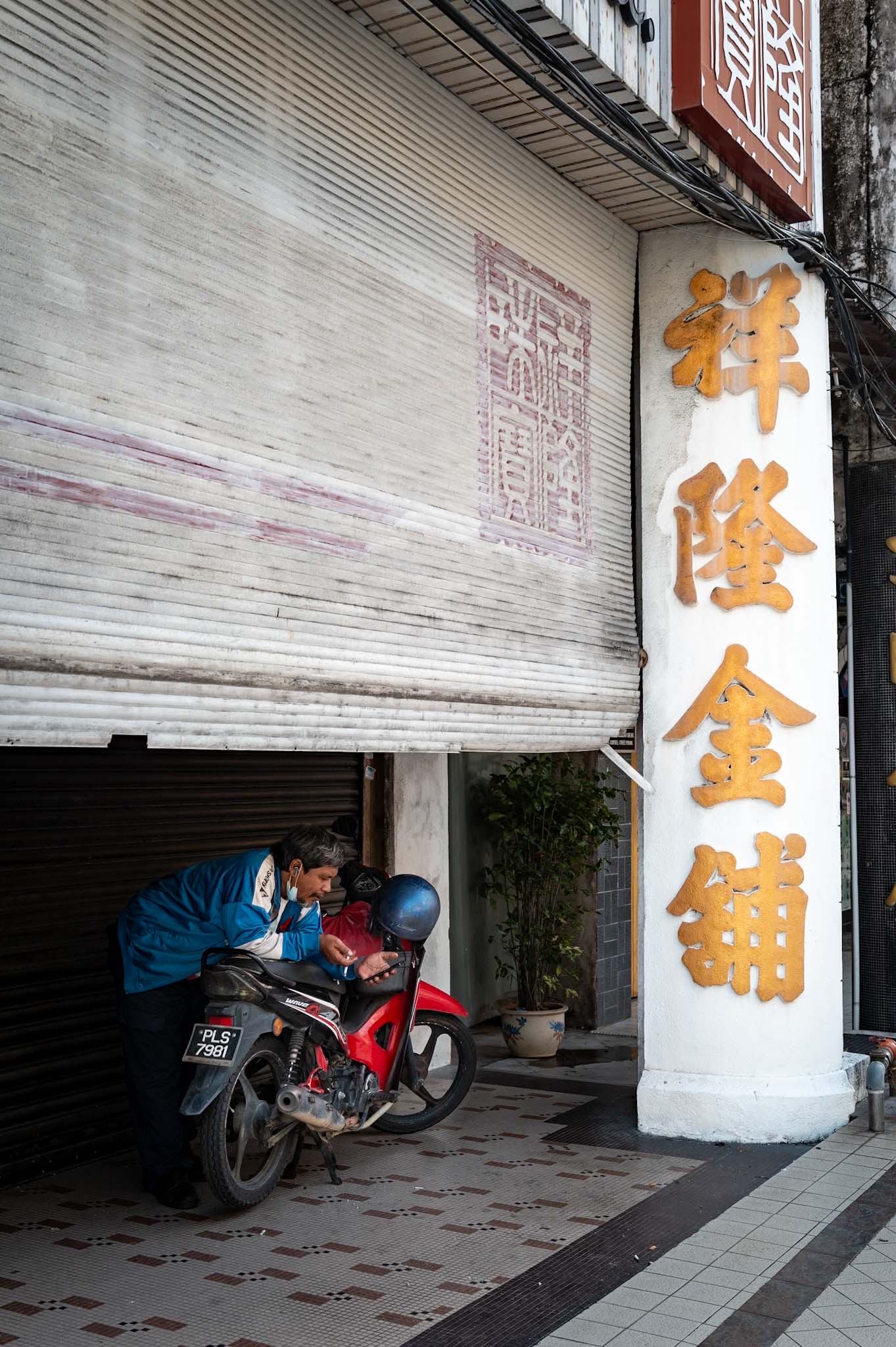
This is a dilemma I have encountered in other Asian cities, where historic neighbourhoods increasingly become destinations for visitors rather than places organised around the needs of their residents. The transformation is rarely entirely negative. Tourism creates employment, investment can finance restoration, and international recognition encourages governments to protect buildings that might otherwise be demolished. But there is a subtle difference between preserving a city and turning it into an attractive representation of its former self.
Photography has its own uncomfortable relationship with this process. We are naturally attracted to decay: peeling paint, rusted doors, uneven surfaces, old signs and the wonderful textures created by time. We frame these imperfections as evidence of authenticity, often forgetting that what appears picturesque through a camera lens may represent a leaking roof, an unsafe staircase or a repair bill beyond the means of the person living inside. The same weathered facade that makes a compelling photograph may conceal serious structural problems.
George Town’s recent inspections expose precisely this contradiction. The city’s architectural vulnerability cannot be romanticised indefinitely. Conservation must protect people as well as buildings, and it requires sustained investment, skilled craftsmanship and practical solutions for owners who may lack the resources to maintain historic properties. The challenge is particularly demanding in a tropical environment where heat, humidity, heavy rainfall and termites constantly test the resilience of traditional construction materials.
There is another, less visible fragility: the gradual disappearance of the knowledge required to maintain these structures. Traditional carpentry, lime plastering, decorative painting and other specialist crafts are essential to authentic restoration. They depend on experience accumulated over decades, often transmitted through small workshops and family businesses. When those skills disappear, the city risks losing not only its architectural fabric but also the human knowledge that created and sustained it.
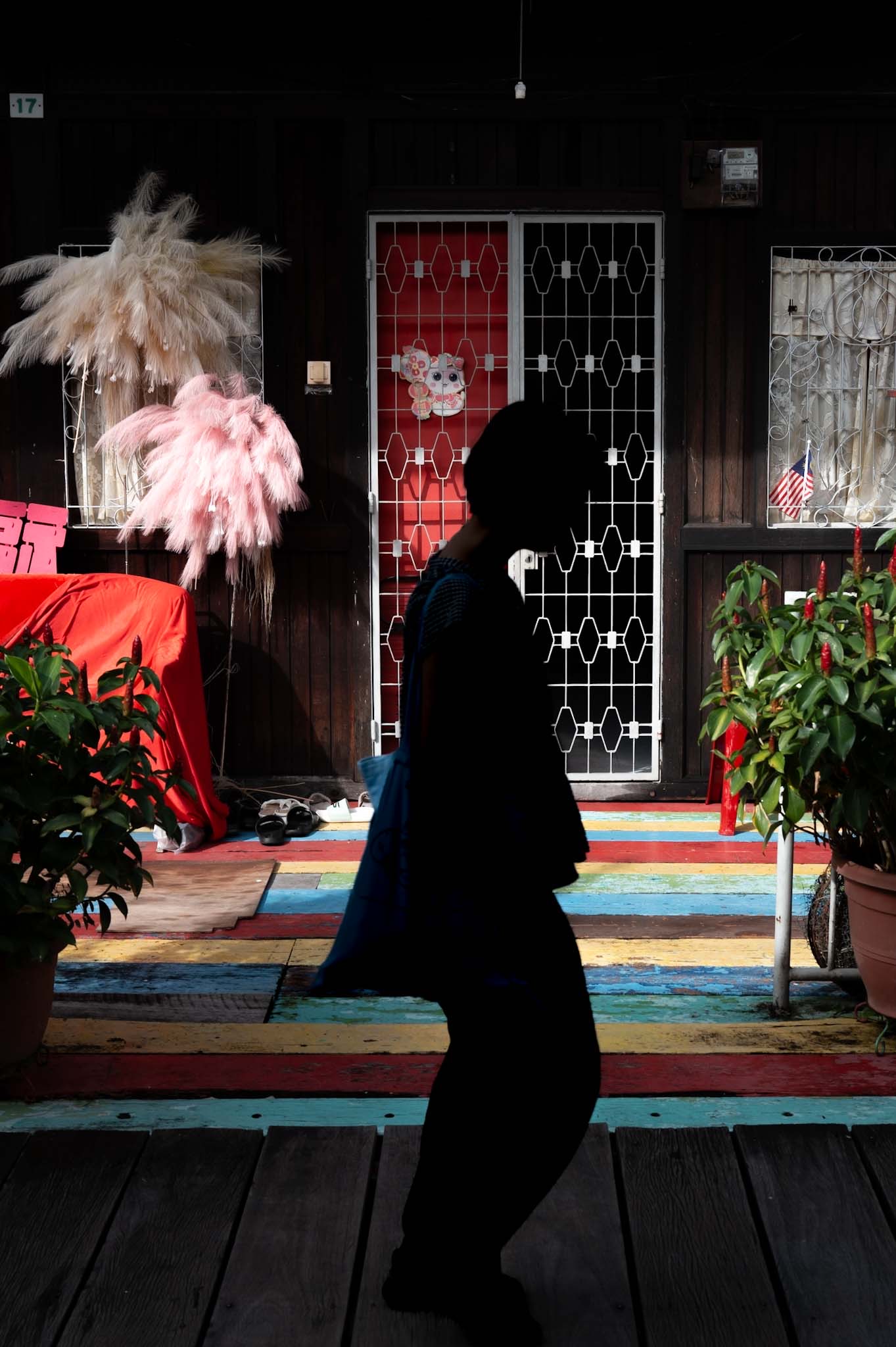
Perhaps this is why I find George Town most compelling away from its busiest tourist streets. In the quieter corners of the old town, where a bicycle rests against a weathered wall or a shopkeeper waits patiently for customers beneath a faded sign, the city still feels wonderfully alive. The imperfections are not decorative effects designed for visitors. They are traces of ordinary lives, accumulated over generations, and they remind us that heritage is something people inhabit rather than simply something they admire.

The challenge facing George Town is therefore larger than the inspection of thousands of buildings. It is about finding a balance between safety and character, economic renewal and social continuity, restoration and authenticity. The success of conservation cannot be measured exclusively by the number of facades repaired or buildings rescued from deterioration. It must also be judged by whether the city remains a place where its communities can continue to live, work and pass on their traditions.
I will probably continue photographing George Town’s weathered walls, imperfect shutters and fading signs. They remain among the most evocative expressions of the city’s extraordinary history, but I am increasingly conscious that their beauty carries a responsibility. What looks timeless is often vulnerable, and what we admire as the poetry of decay may be a warning that something needs attention.
Discover more from THE QUIET REPORT
Subscribe to get the latest posts sent to your email.
