TEST: listen to this topic on THE QUIET REPORT podcast
There is something about rural Cambodia that stays with you long after the journey has ended. Not the magnificent temples of Angkor, nor the crowded streets of Phnom Penh, but the countryside: the endless green rice fields, the wooden houses standing on stilts, the dusty roads disappearing between palm trees, and the quiet dignity of people whose lives seem to follow a rhythm almost forgotten elsewhere.
In 2017, I travelled across Indochina with a backpack and a small Sony RX1R II, moving through Myanmar, Laos, Cambodia and Vietnam, often far from the conventional tourist routes. Cambodia left a particularly deep impression. I had arrived with images of a country shaped by tragedy, but what I discovered along its rural roads was something much more intimate: a society rebuilding itself through the simple, persistent business of living.
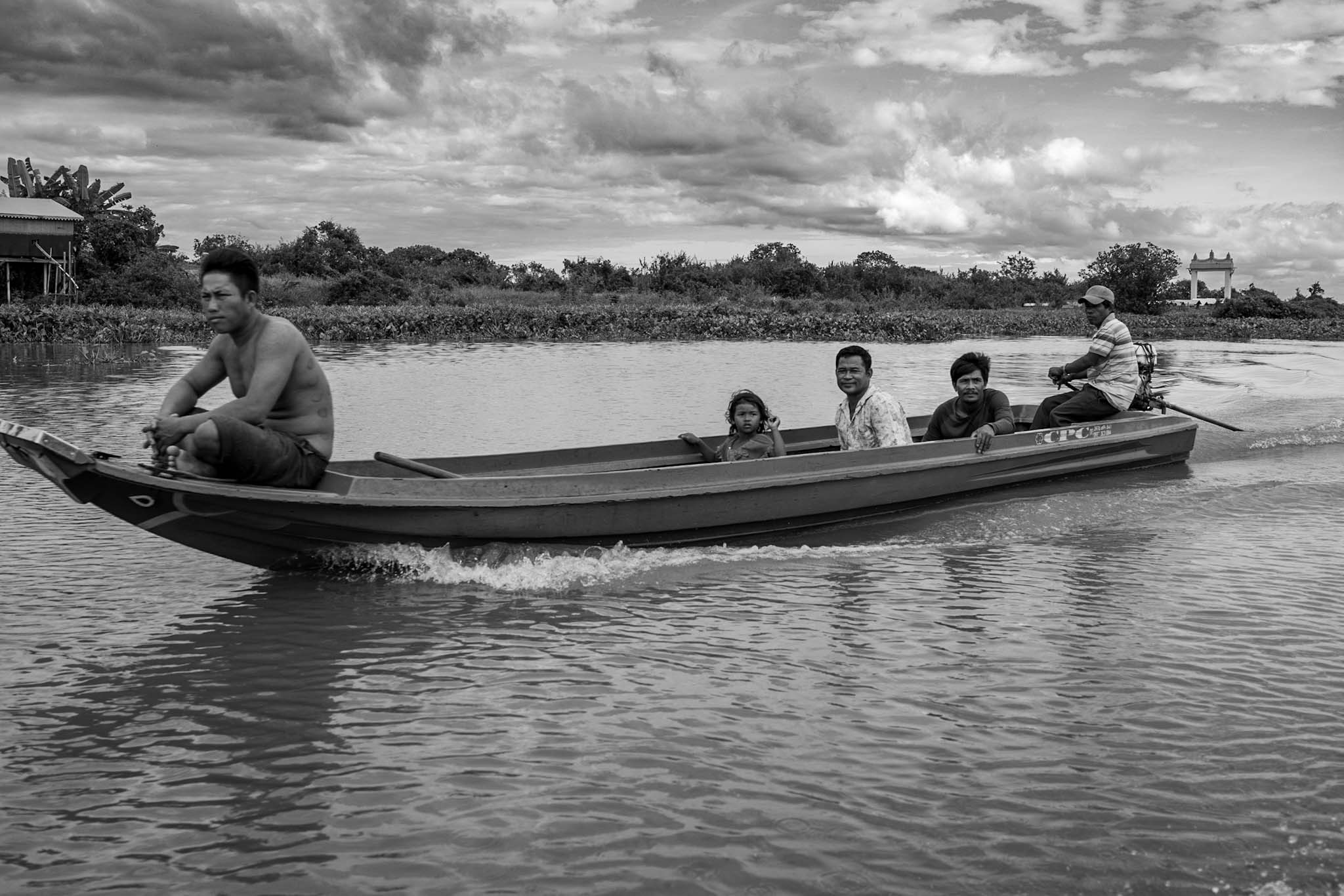
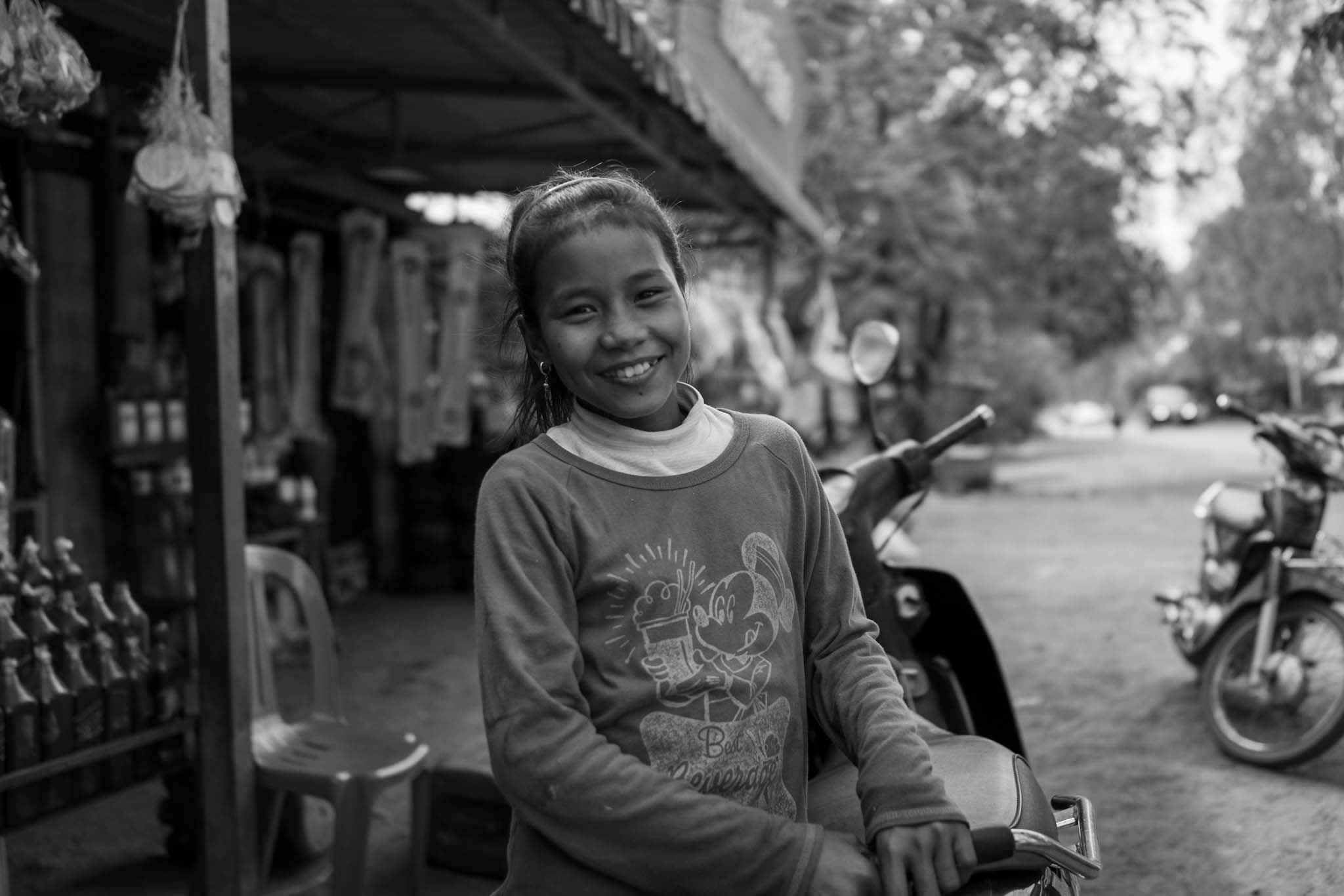
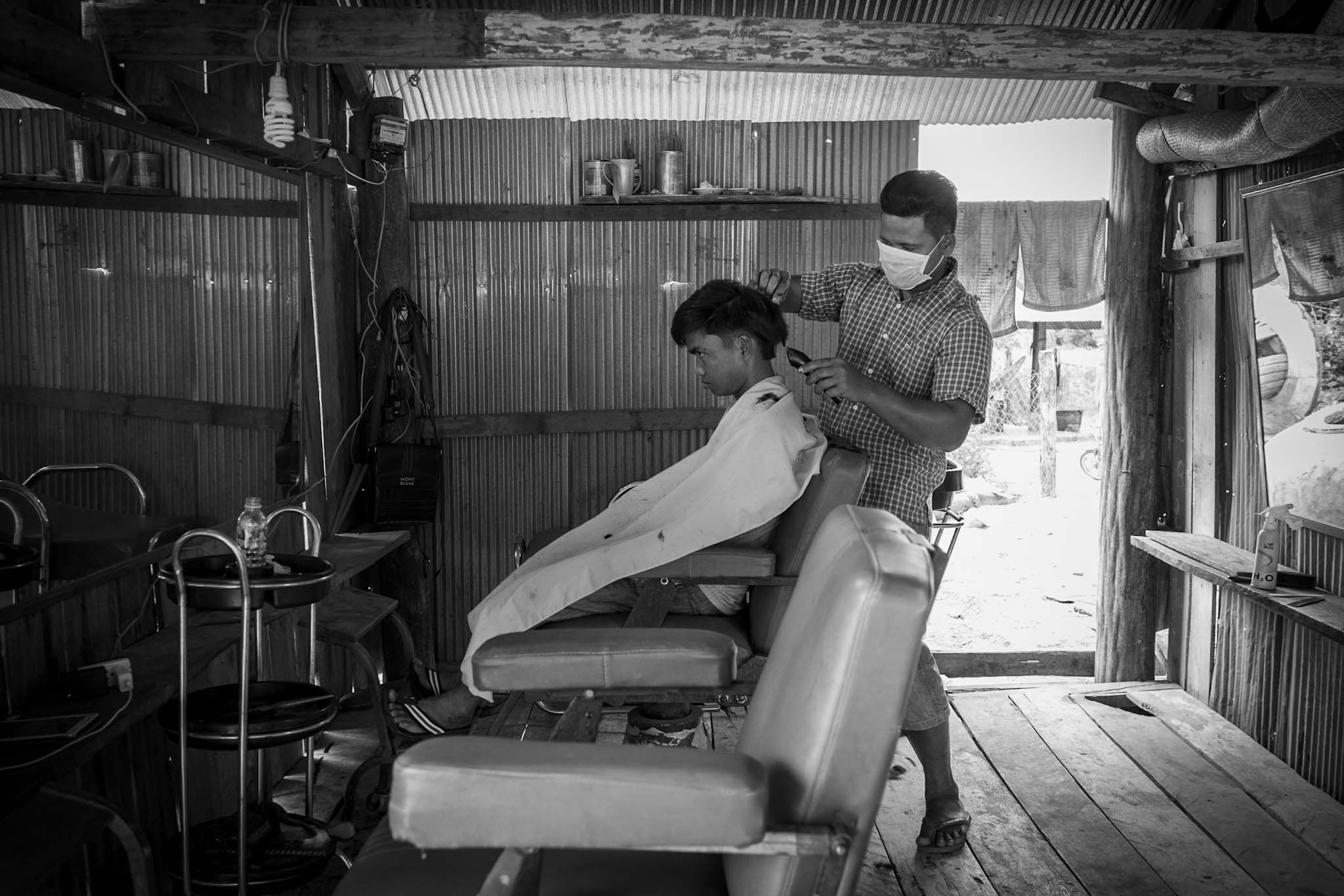
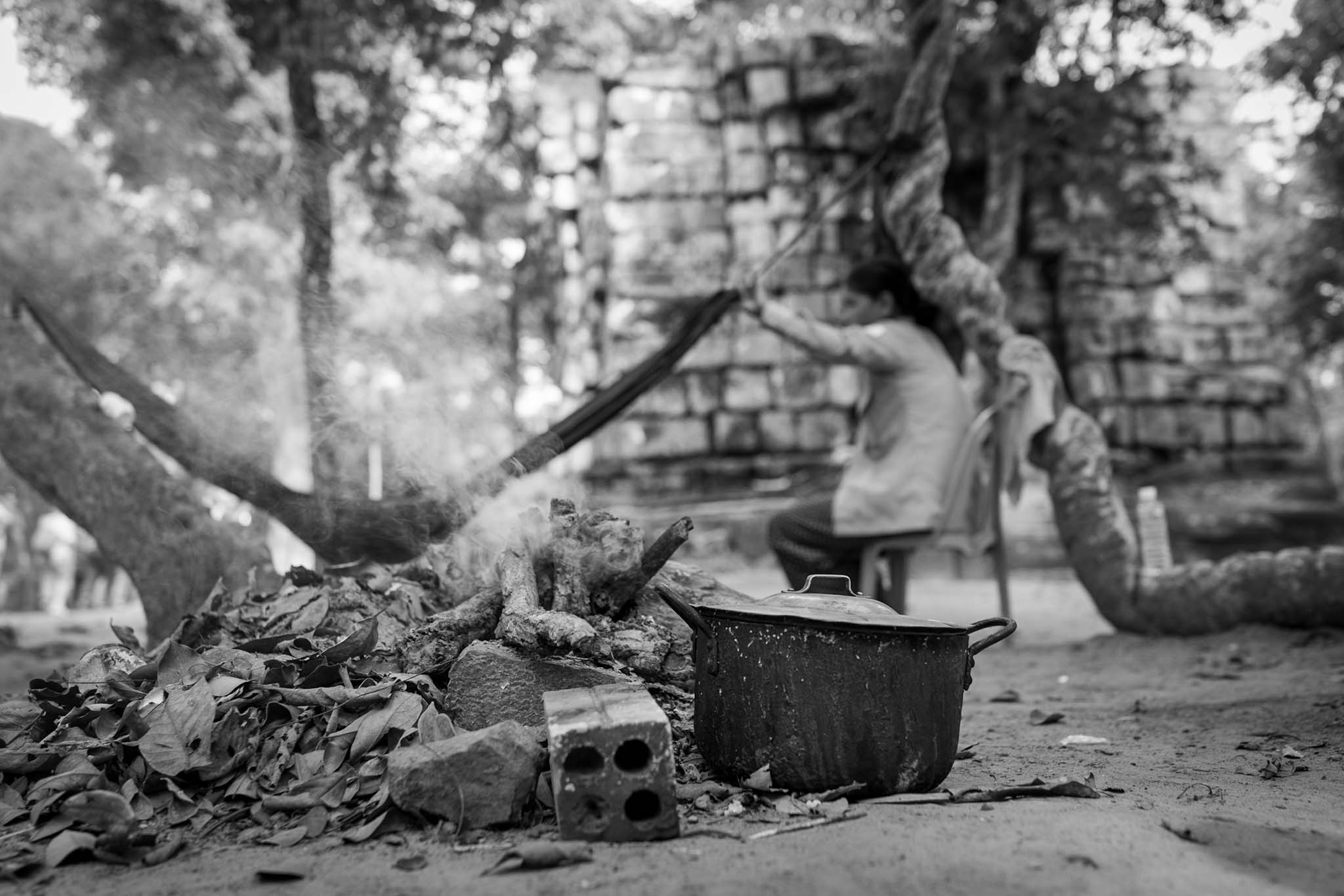
The countryside offered a succession of ordinary scenes that I found endlessly fascinating. Farmers working in flooded fields, children moving between houses and dusty paths, small roadside markets where vegetables and household necessities were arranged with almost ceremonial care. Life appeared modest, sometimes painfully so, but never entirely deprived of warmth. There was a natural curiosity toward the foreigner carrying a camera, occasional smiles, and that wonderful ability, so common in Southeast Asia, to make human contact without necessarily sharing a language.
Yet Cambodia is a country where even the most peaceful landscape carries an invisible history. I could not travel through those villages without remembering The Killing Fields, Roland Joffé’s extraordinary 1984 film about the Cambodian genocide, told through the relationship between American journalist Sydney Schanberg and Cambodian interpreter Dith Pran. I had watched it years earlier, but travelling through the countryside gave those images an entirely different emotional weight. The fields were no longer cinematic scenery. They were places where real families had suffered, disappeared, survived, and eventually returned to the difficult task of rebuilding their lives.
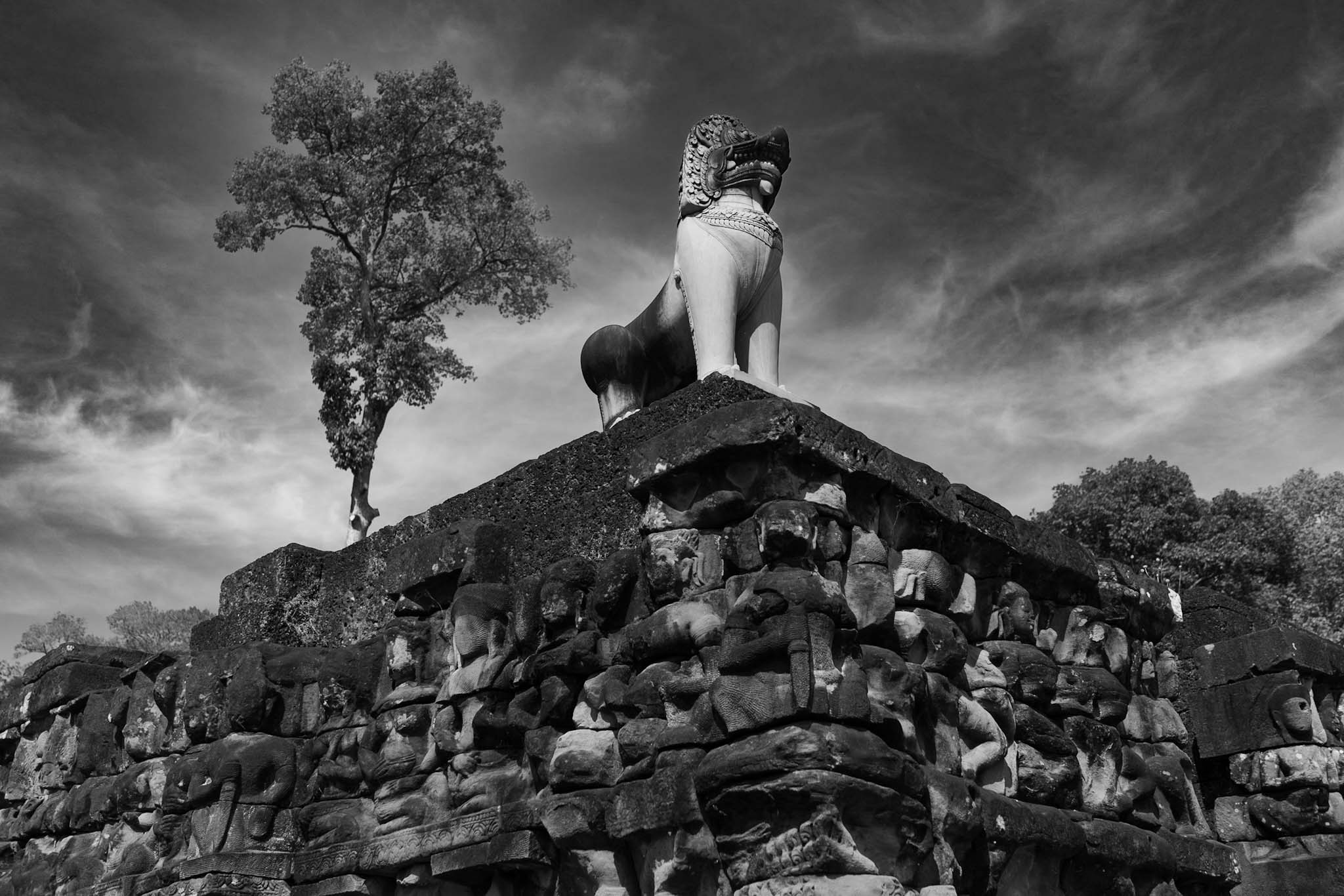
I had already explored that terrible chapter in my earlier article, The Democratic Kampuchea: this journey, however, made me less interested in revisiting the brutality of Pol Pot’s regime than in understanding what came afterward. How does a country recover when an entire generation has been wounded? How do ordinary people rediscover trust, rebuild families, and find the confidence to imagine a future?
Perhaps the answers are not found in monuments or museums, but in everyday life itself. In a farmer cultivating his land, in a grandmother looking after her grandchildren, in the small economic exchanges that hold a village together. None of these scenes can erase the past, and poverty should never be romanticised. Yet they reveal something essential about recovery: its most meaningful achievements are often almost invisible.
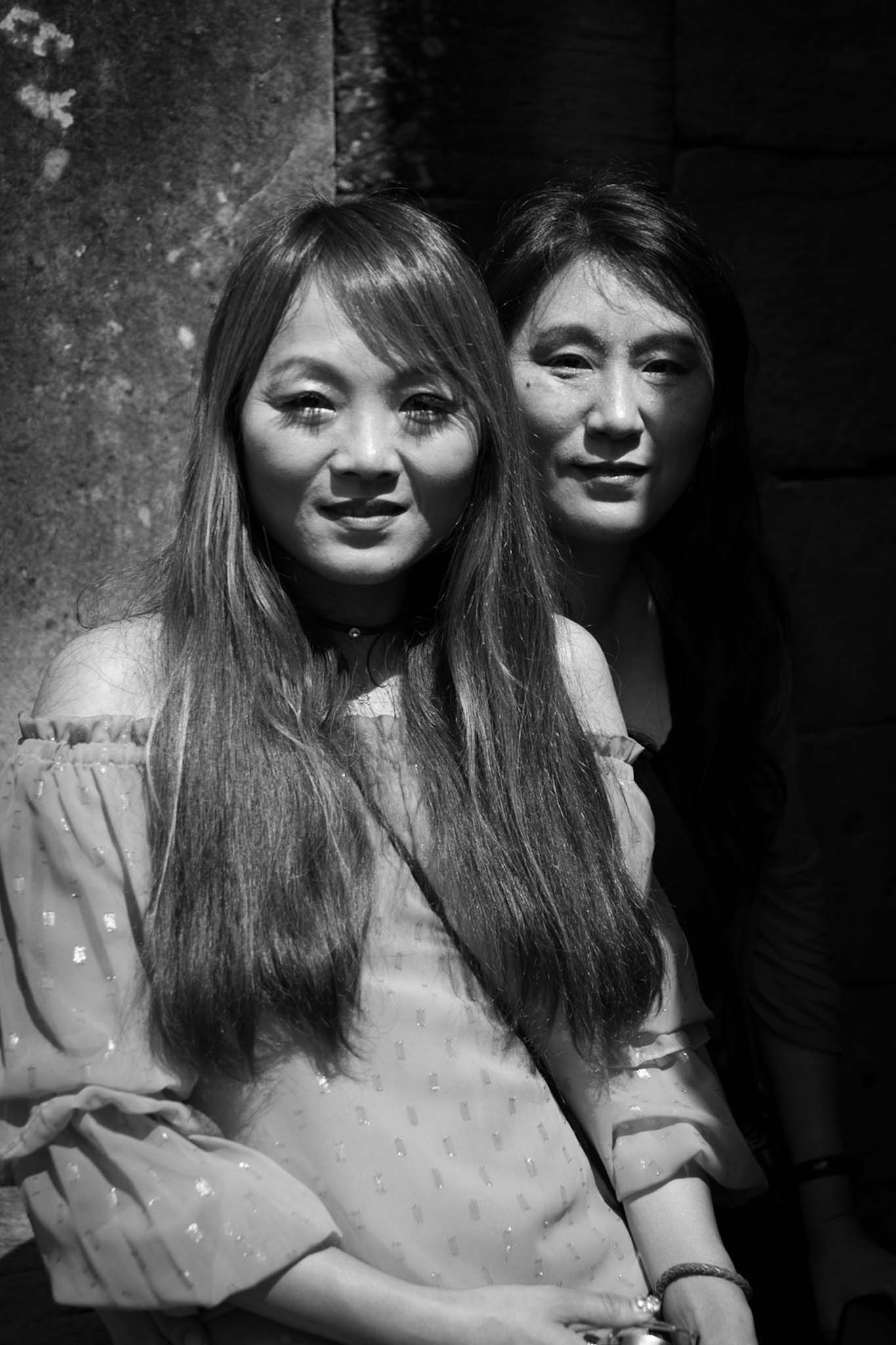
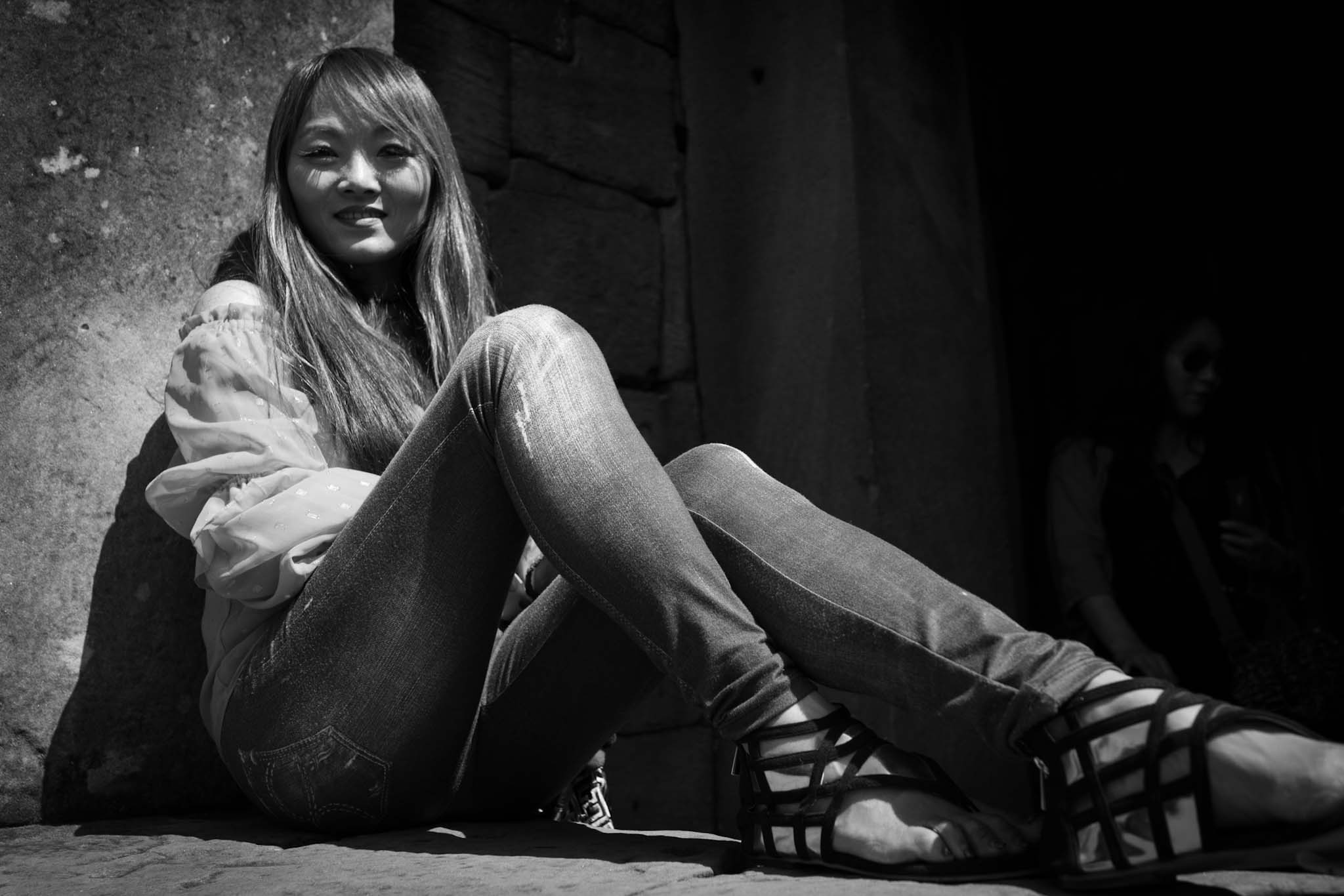
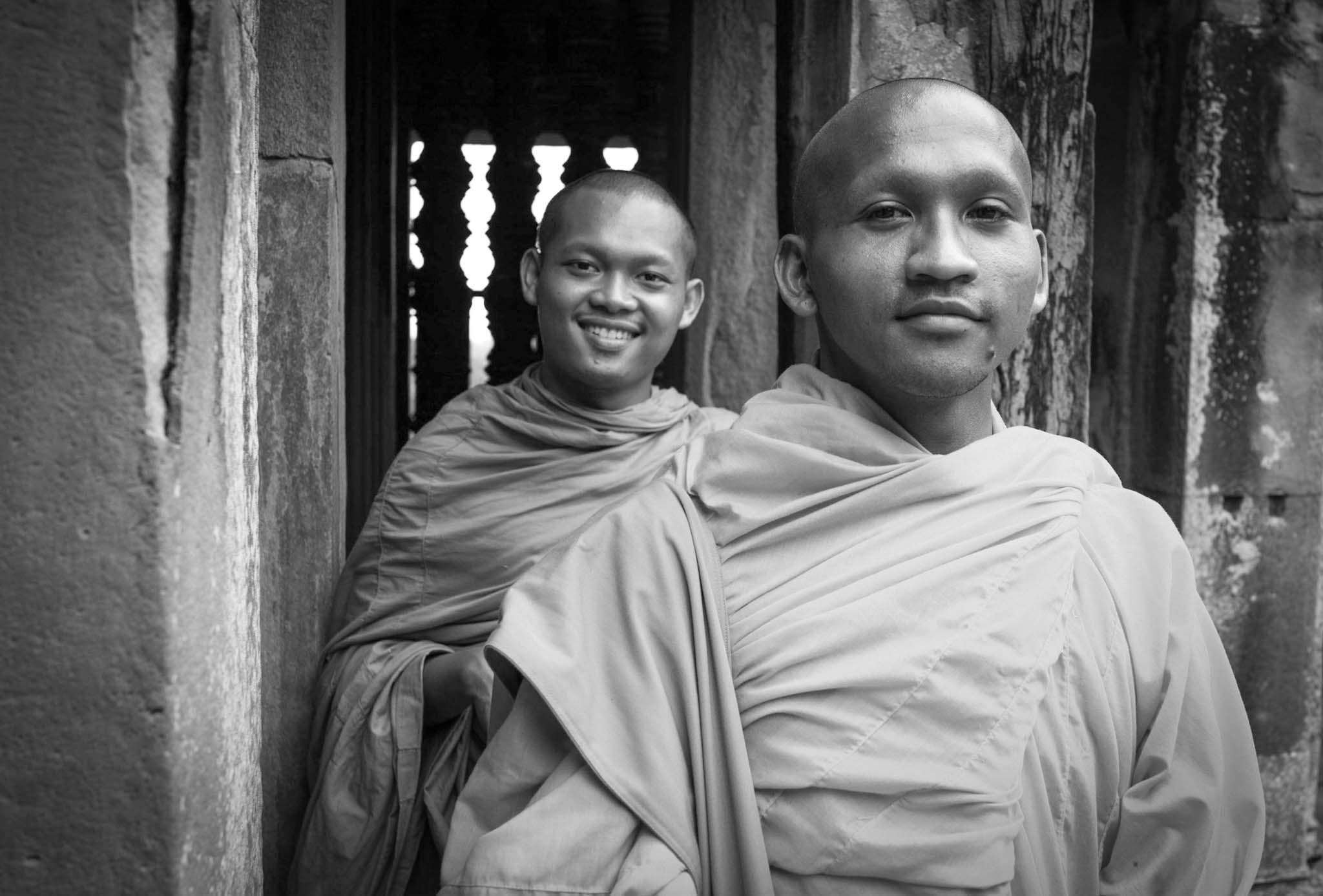
Photography helped me appreciate this. With a fixed 35mm lens, I had to approach the world rather than observe it from a distance. I was less interested in spectacular compositions than in faces, gestures, and the relationship between people and their surroundings. Looking back at those photographs today, I recognise that what moved me most was not Cambodia’s suffering, but its determination to continue.
Almost a decade later, what remains in my memory is the extraordinary ordinariness of those rural days. A landscape of immense beauty, a population carrying memories that outsiders can barely comprehend, and the reassuring continuity of daily life.
Cambodia taught me that resilience does not always announce itself through heroic gestures. Sometimes it is simply the decision to wake up tomorrow, return to the fields, care for one’s family, and begin again.
Discover more from THE QUIET REPORT
Subscribe to get the latest posts sent to your email.
