La curvatura dello spazio
Written by Maurizio “Mau” Vagnozzi
Mi son svegliato e ho visto che eravamo forse un centimetro sopra Copenhagen, sulla mappa che stava tracciando la rotta. Si, ovvio, anche quasi 12mila metri sulla verticale, mentre stavamo tagliando il Mar Baltico per raggiungere poi London dove sono atterrato alle 4:30 di mattina in un nebbione che lasciava solo le cime dei grattacieli a creare un effetto irreale.
In un mondo bidimensionale (quindi “piatto”) ci si aspetterebbe che la via più corta per raggiungere Londra partendo da Singapore sia quella di seguire una ipotetica linea retta che tagli il sud dell’India, sfiori la penisola Arabica sorvolando Iran, Iraq e Turchia, e attraverso Balcani prima, Germania e Olanda poi ci porti, felici come dei calli costretti dentro scarpe da ballo, ad atterrare nella campagna inglese. Che ci facevo quindi lassù, a nord di St.Pete, dopo aver aggirato Mosca ed esserci arrivati da tutto quel grappolo di stati che finiscono in -stan di cui anche uno navigato come me riesce a confondere le capitali?
La fregatura, o meglio, l’opportunità, di avere invece un mondo che (grossomodo) sia una sfera ci porta invece a decisioni che paiono più irrazionali nel collegare due destinazioni, se poi uniamo correnti (come la jet stream), traffico e perturbazioni che influenzano il percorso, tutto ci porta ad una cognizione di spazio che forse si allontana un po’ dalla visione “semplicistica” che una retta in un sistema bidimensionale sia la distanza più corta tra due punti. Quando ci si trova in un sistema tridimensionale (appunto una sfera) le cose possono cambiare. Se poi si esagera un filo in ipotesi meno “tangibili” la cosa diventa ancora più affascinante.
Da ragazzino ‘sta cosa mi solleticava, e quando facevo finta di essere uno studente modello mi esercitavo su geometrie che negassero il quinto postulato di Euclide “data una retta e un punto esterno ad essa esiste un’unica retta parallela passante per detto punto“, le geometrie, appunto, ellittica e quella iperbolica. Quest’ultima soprattutto mi ha agitato sonni psichedelici nel tentare di visualizzare piani con parallele che divergono (qui mi ricordo sempre il Berlinguer delle “convergenze parallele”) e la somma degli angoli interni di un triangolo inferiori a 180°. Adesso che ho maturato qualche anno in più, considero la geometria dell’addome, funzione direttamente proporzionale al mio amore per il cibo e il buon vino (postulato del pranzo e della cena).
Mi è venuto in mente un bellissimo brano di Loreena McKennith, “Ride on through the night tide on. There are visions, there are memories, There are echoes of thundering hooves, There are fires, there is laughter, There’s the sound of a thousand doves“. Peccato solo si intitolasse “Night across the Caucasus”, dove proprio non son passato in volo durante la notte.
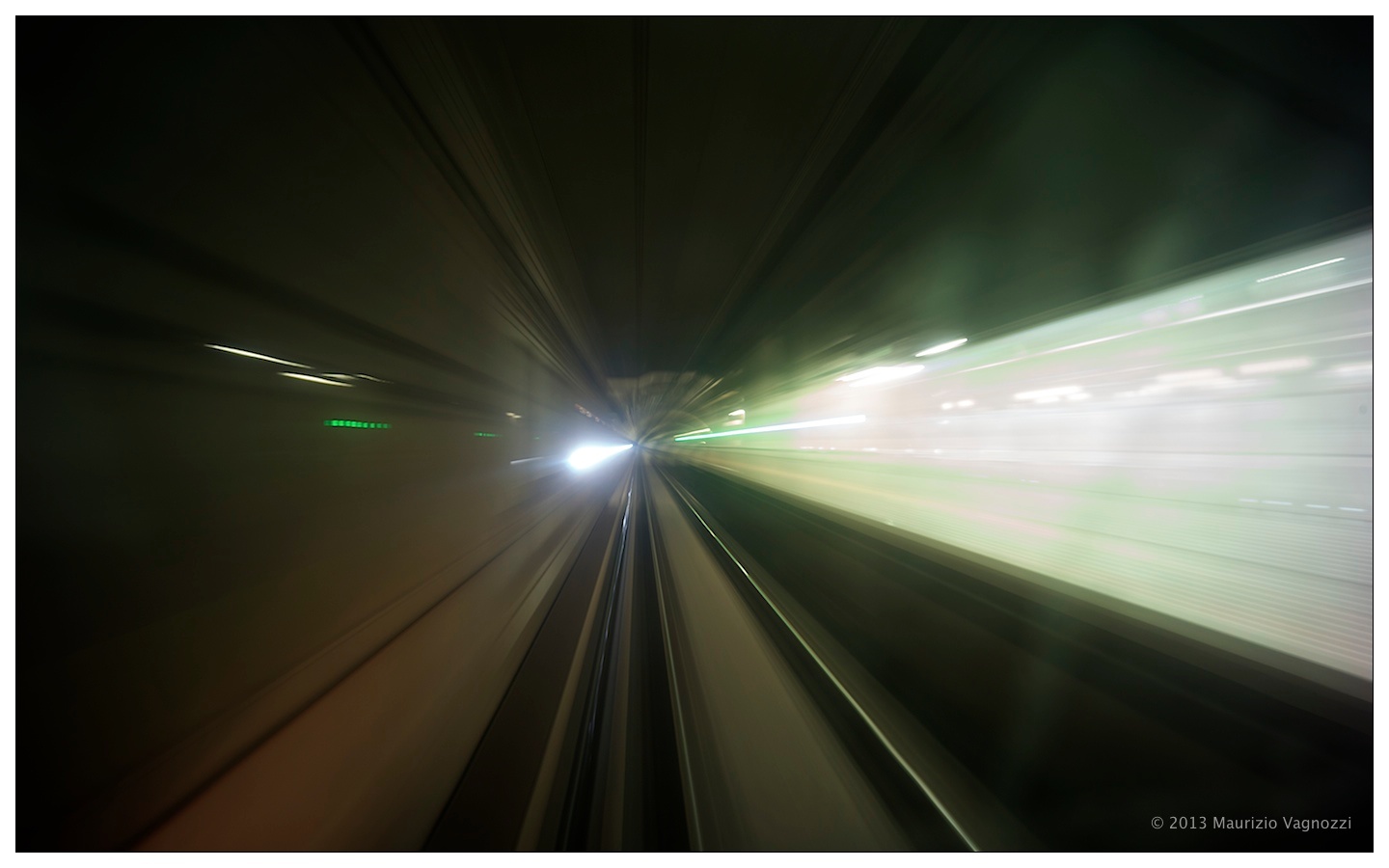
Foto di oggi? Una esposizione di qualche secondo nello spazio curvilineo della MRT di Singapore, mentre arrivavo a Dhoby Ghaut ….
Discover more from THE QUIET REPORT
Subscribe to get the latest posts sent to your email.

A parte quello che hai mangiato e bevuto in aereo che ti ha portato a questi pensieri strani e poco coerenti, la foto in metropolitana e’ bellissima.
Ciao.
:-))
Un buon bicchiere di rosso ….
🙂
Mi associo al commento precedente, secondo me nel bicchiere di rosso era “corretto”….
Solo perché ho cantano la programmazione della pubblicazione, che doveva essere domattina? 🙁
Alla parola Euclide ero già in gondola nell’acqua alta. Non so se nell’aria pressurizzata aggiungono qualcosa, ma ne vorrei un po’ anch’io nel caso si scoprisse cos’è!
La foto è bellissima!
Ok, ok … Forse ho volato un filo troppo quest’anno ….