BUDDHA MEETS THE SEA
Written by Maurizio “Mau” Vagnozzi
Most Korean Buddhist temples are hidden in the mountains, surrounded by forests and reached by steep paths. Haedong Yonggungsa, on the northeastern coast of Busan, breaks that tradition. Here, Buddhist statues, pagodas and brightly painted wooden buildings occupy a rocky promontory overlooking the East Sea.
According to temple tradition, its origins date to 1376, when the monk Naong Hyegeun established a sanctuary during the Goryeo dynasty. The original temple was destroyed during the Japanese invasions of Korea in the late 16th century. The present complex is largely the result of 20th-century reconstruction, and the name Haedong Yonggungsa was adopted in 1974.
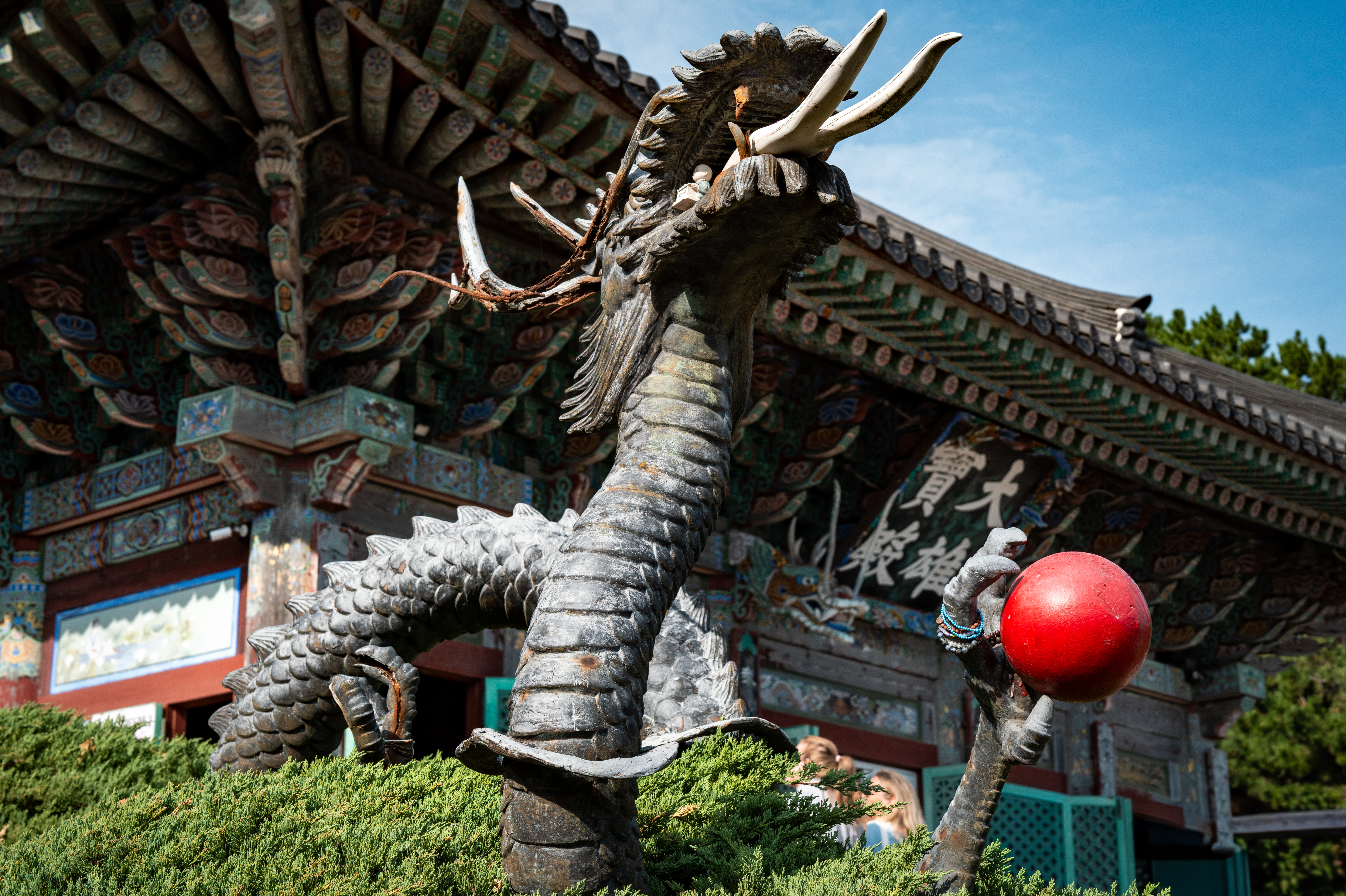
Its setting is more than an architectural curiosity. In Korean Buddhism, the sea has long been associated with Gwanseum-bosal, the bodhisattva of compassion, who listens to the suffering of the world. The temple’s coastal position reinforces this spiritual connection, while its statues and shrines reflect a mixture of Buddhist teachings and popular religious traditions.
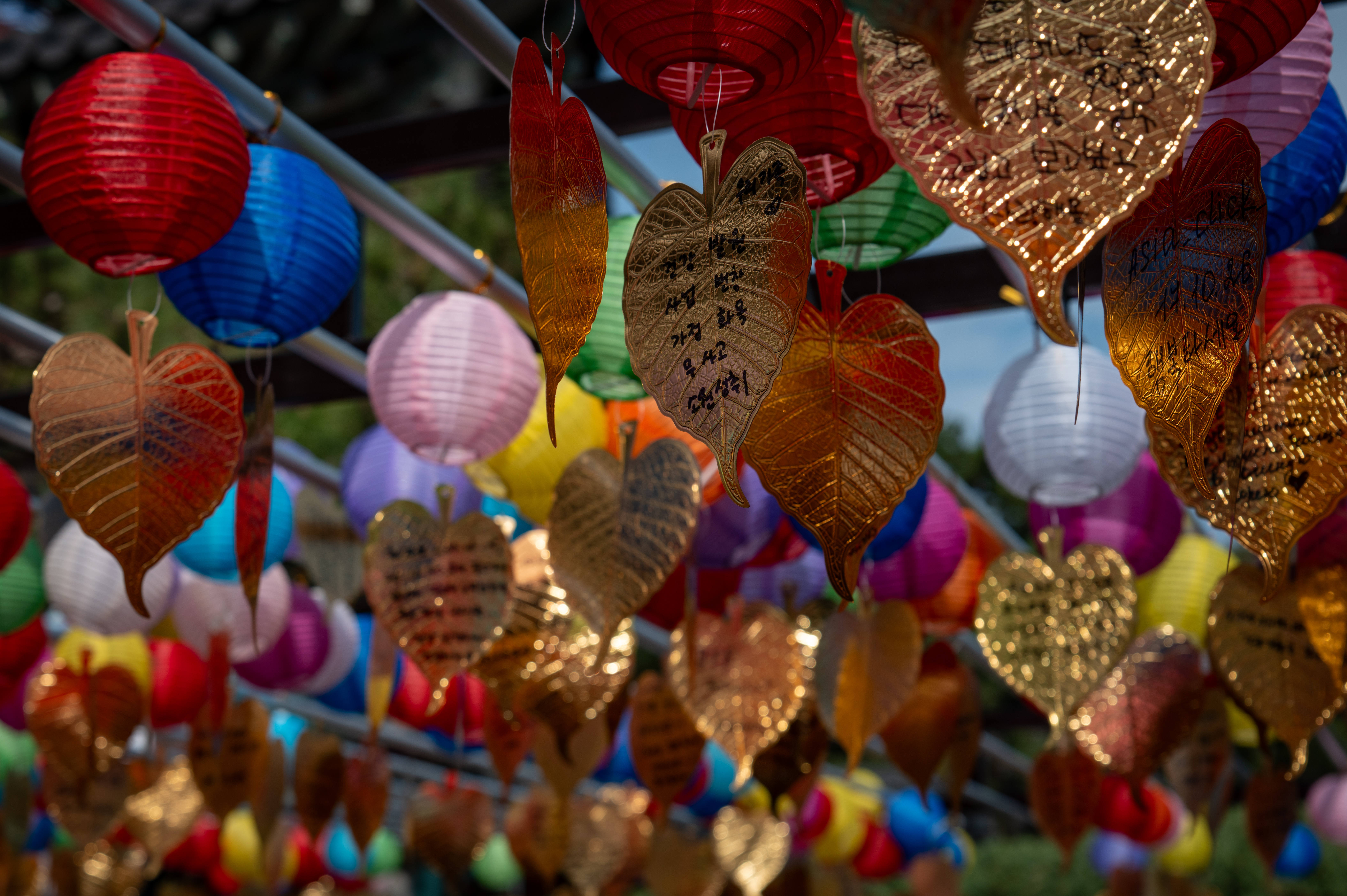
Visitors descend a long staircase, pass stone sculptures representing the animals of the Chinese zodiac and cross a bridge above the crashing waves. Coins are thrown toward stone bowls for good fortune, prayers are offered before golden statues, and wishes are attached to colorful lanterns.
Yet Haedong Yonggungsa is also a reflection of contemporary Korea. One of Busan’s most photographed attractions, it receives a constant flow of tourists, smartphones and organised groups. The atmosphere can feel closer to a crowded sightseeing destination than to a place of meditation.
Still, beyond the souvenir stalls and the cameras, the temple retains something distinctive. The sound of waves replaces the silence of mountain forests, while incense drifts through the salty air.
Discover more from THE QUIET REPORT
Subscribe to get the latest posts sent to your email.
