THE WAR THAT NEVER ENDED
Written by Maurizio “Mau” Vagnozzi
The Korean War began on June 25, 1950, when North Korean forces crossed the 38th parallel and invaded South Korea. The peninsula had been divided in 1945, following Japan’s defeat in World War II, with the Soviet Union occupying the north and the United States the south. What was initially conceived as a temporary arrangement hardened into two rival states, each claiming legitimacy over the entire peninsula.
Within weeks, North Korean troops had captured Seoul and pushed the South Korean army into a small defensive perimeter around Busan. The city became the last major stronghold before a United Nations force, led by the United States, reversed the advance.
The conflict quickly became an international war. American-led UN forces pushed north toward the Chinese border, prompting China to intervene. The Soviet Union supplied weapons, equipment and covert air support. Korea had become one of the first major battlefields of the Cold War, with millions of Korean civilians caught between competing geopolitical ambitions.
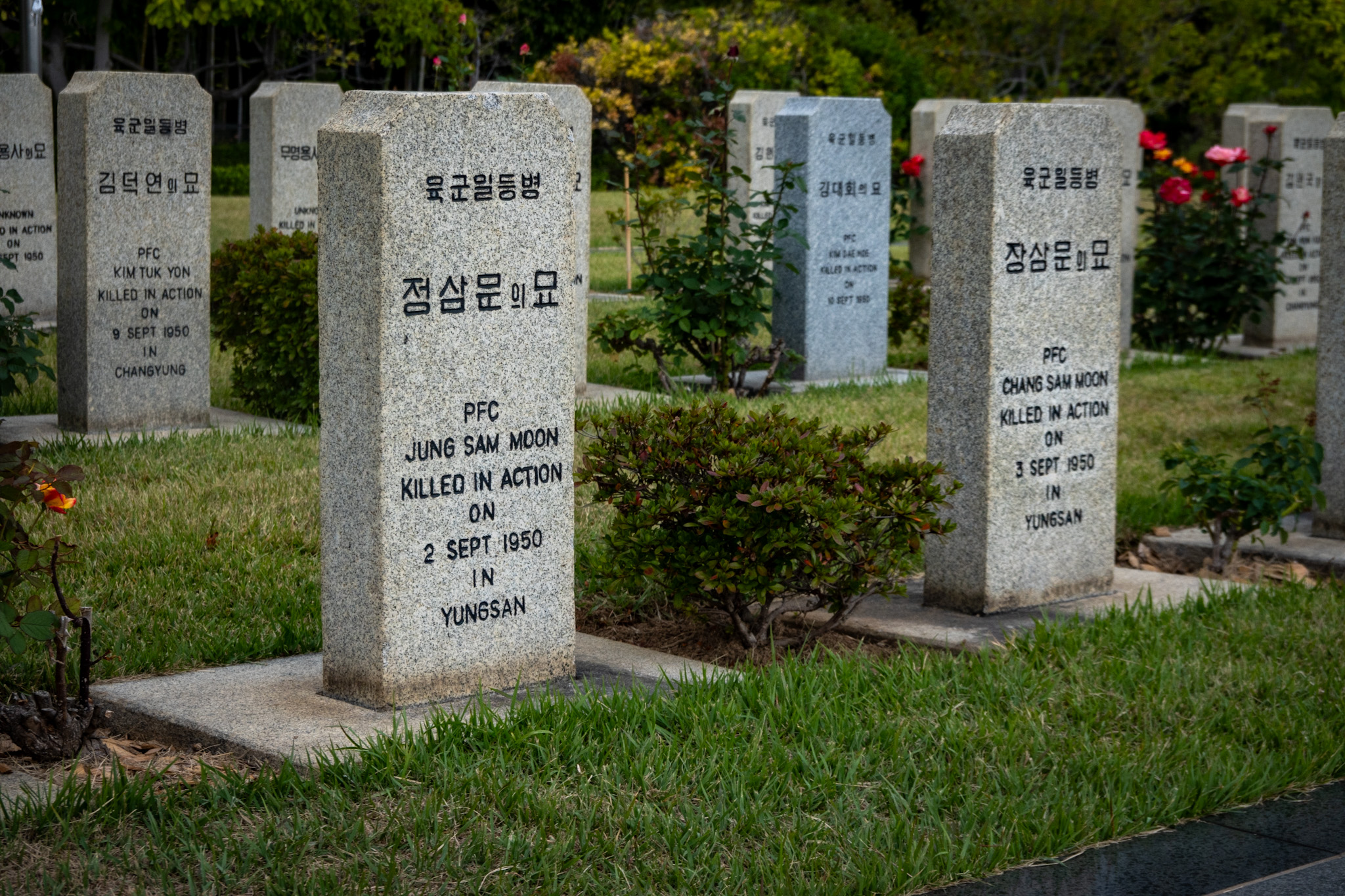
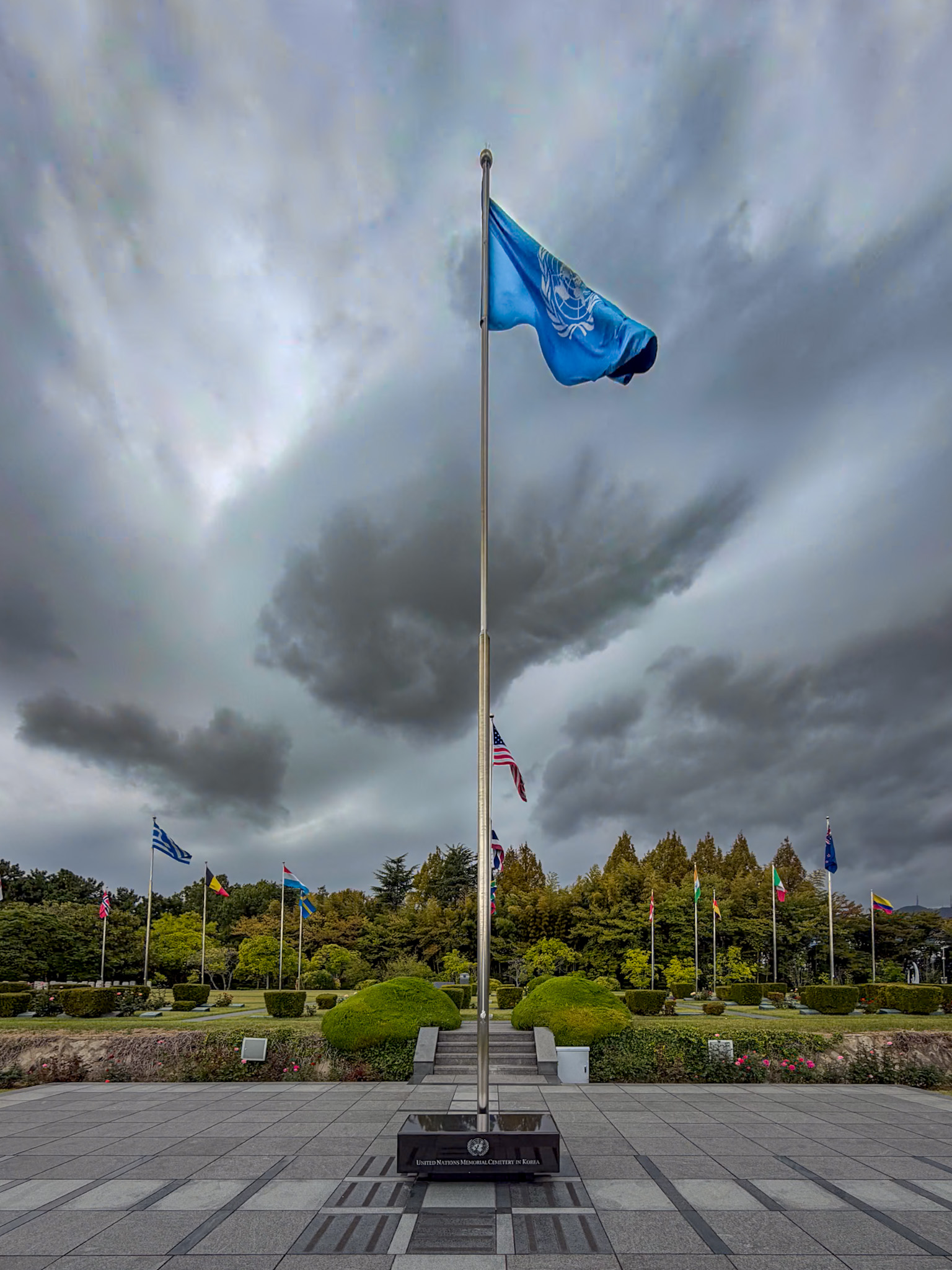
For three years, the peninsula endured devastating destruction. Cities were reduced to rubble, families separated and entire communities displaced. Estimates of the dead run into the millions, most of them Korean civilians.
On July 27, 1953, an armistice stopped the fighting. But no peace treaty followed. A demilitarized zone was established close to the original dividing line, leaving two Koreas facing each other across one of the world’s most heavily fortified borders.
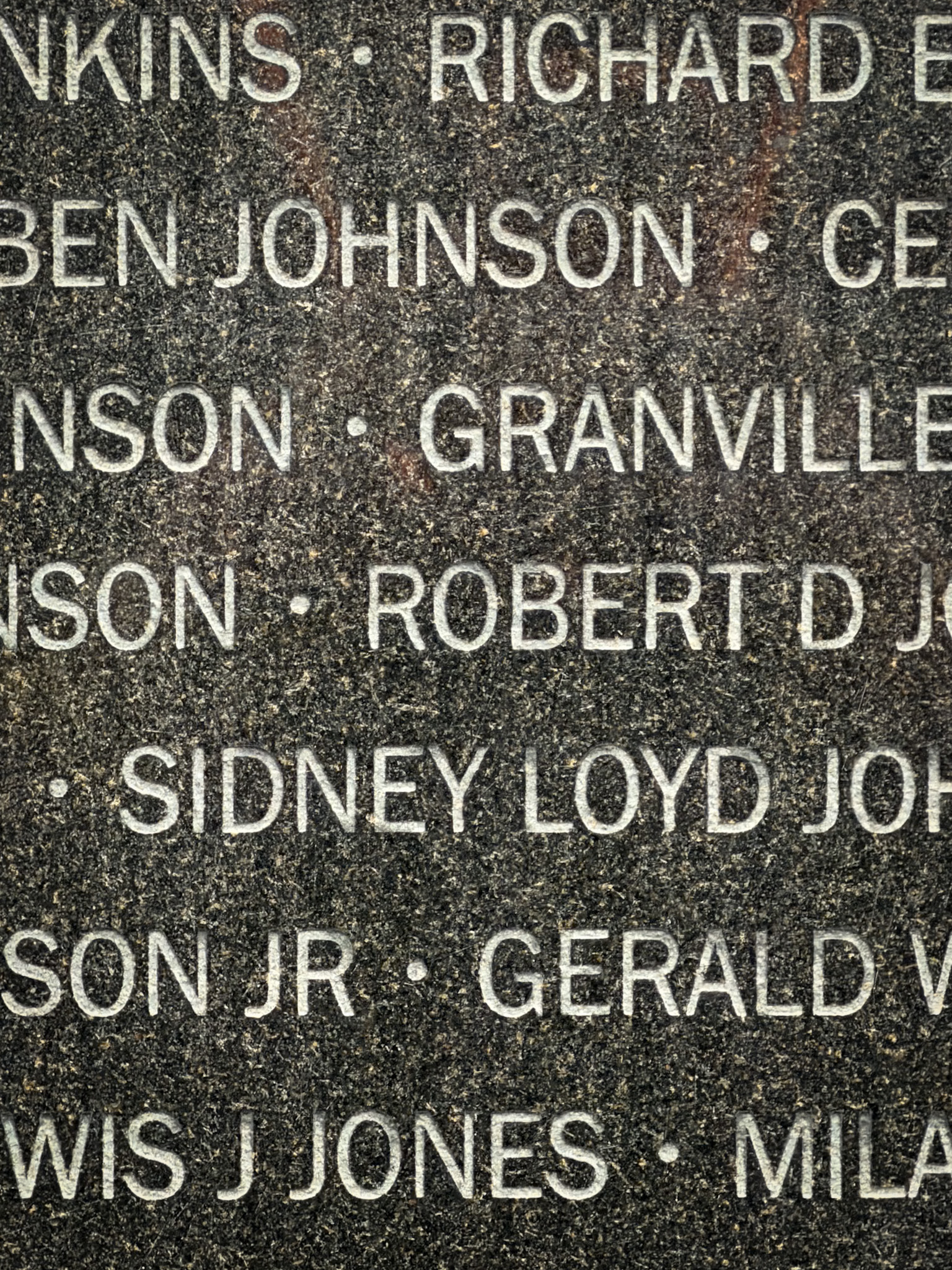
The United Nations Memorial Cemetery in Busan is a reminder of the international dimensions of that tragedy. Established during the war, it remains the only UN memorial cemetery of its kind, with approximately 2,300 service members buried here, representing eleven nations.
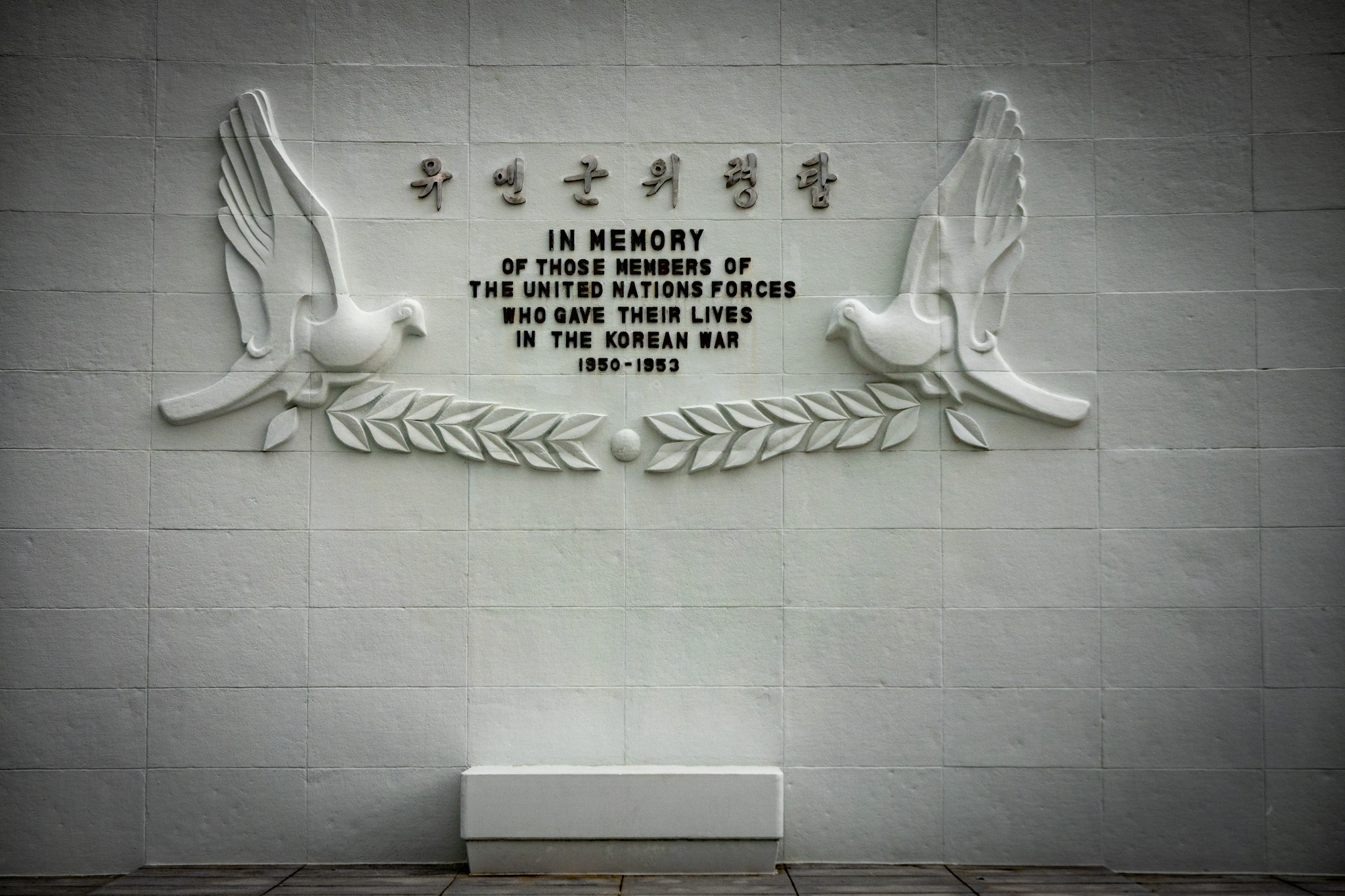
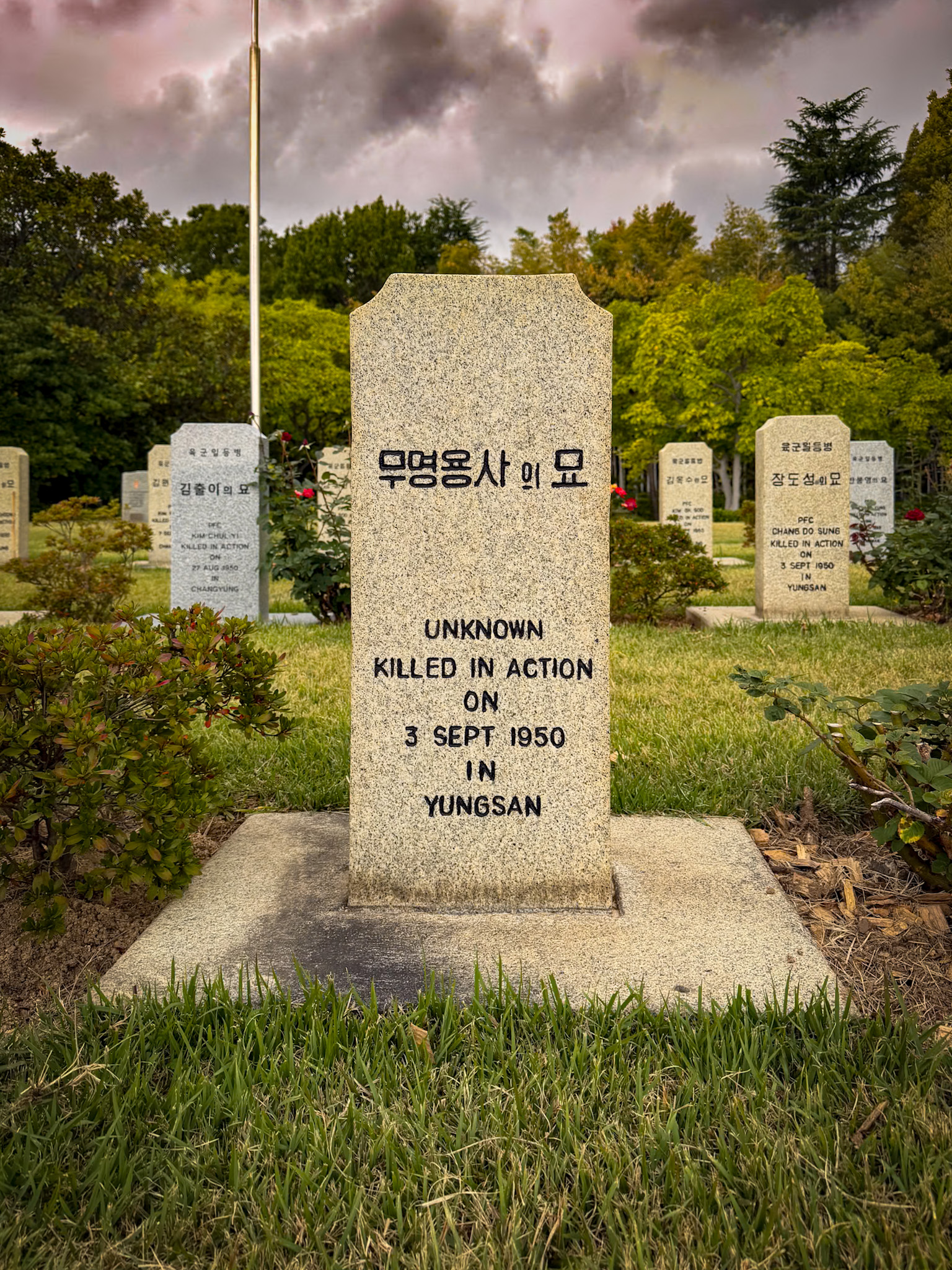
Walking among the graves, the geopolitical language of the Cold War gives way to something more personal. Names, ages and nationalities replace military strategies and ideological divisions. Many of those buried here were barely in their twenties.
Modern South Korea, with its extraordinary economic transformation, technological sophistication and global cultural influence, seems far removed from the devastated country of 1953. Yet the war remains unresolved, and the division continues to shape Korean politics, society and family histories.
The guns fell silent in 1953. The Korean War, technically, never ended.
Discover more from THE QUIET REPORT
Subscribe to get the latest posts sent to your email.
