THE ECONOMY OF OLD AGE
Written by Maurizio “Mau” Vagnozzi
Gyeongju is celebrated as the ancient capital of the Silla Kingdom, a city of royal tombs, Buddhist temples and centuries of Korean history, but walking through its traditional food market this morning, I found another kind of history, that rarely appears in tourist brochures.
Along the pavements, elderly women and men sit on tiny stools, or directly on the ground, surrounded by modest displays of vegetables, roots, herbs and homemade food. Their merchandise is arranged in small piles, sometimes on sheets of cardboard or plastic. There are no sophisticated displays, no advertising, and certainly no signs of the technological sophistication that has made South Korea one of the world’s most advanced economies.
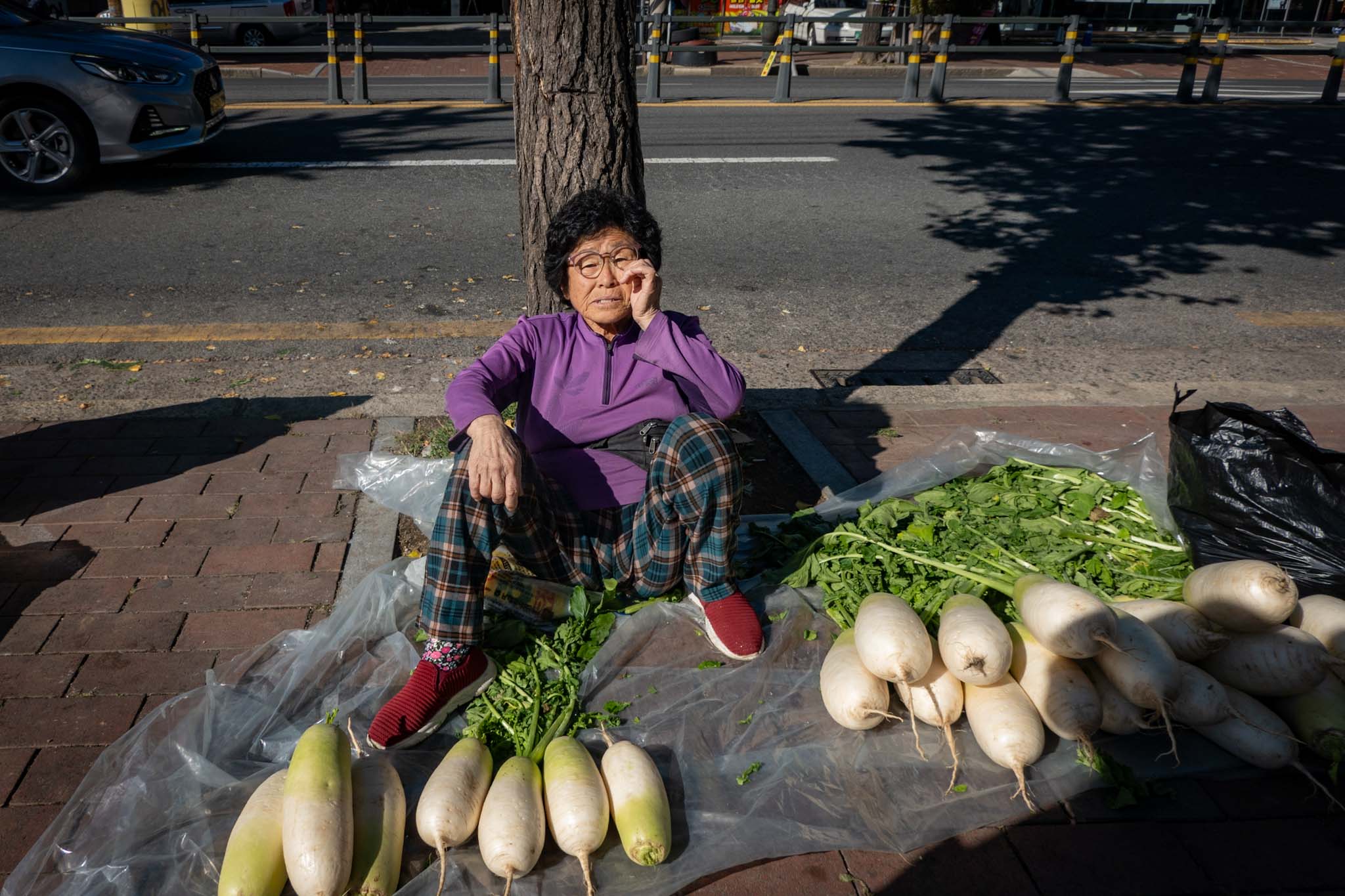
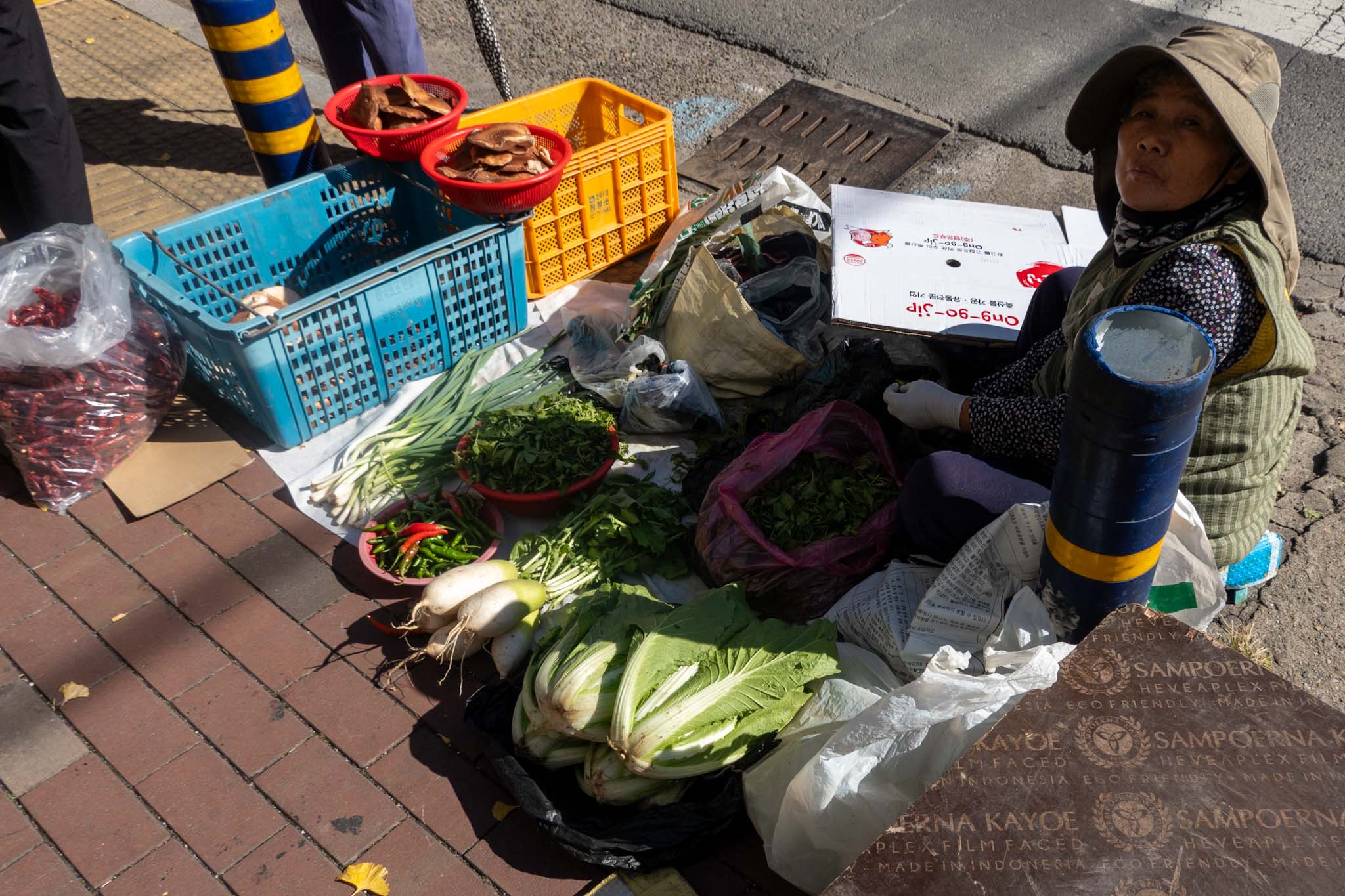
What struck me most was the age of the vendors. Almost everyone seemed to belong to a generation that has spent much of its life working, and is apparently still doing so. Some sit quietly, waiting for customers, others carefully rearrange a few vegetables or exchange words with neighboring sellers.
The quantities are remarkably small, suggesting an economy measured not in turnover or productivity, but in the modest earnings of another day’s work. It feels almost rural, as though fragments of the surrounding countryside had been brought into the city and placed directly on its pavements.
I have written many times on THE QUIET REPORT about aging across Asia, particularly in the traditional markets of Seoul, Busan and other cities where older generations continue to occupy an important place in everyday economic life. Gyeongju brings the subject into particularly sharp focus. Here, the almost complete absence of younger vendors creates an uncomfortable contrast with the image of a prosperous, modern South Korea. The younger generation has largely moved towards different jobs, different cities and different expectations. Those remaining on the pavement appear to belong to an economic world that has little future, yet continues to survive through necessity, habit and remarkable personal endurance.
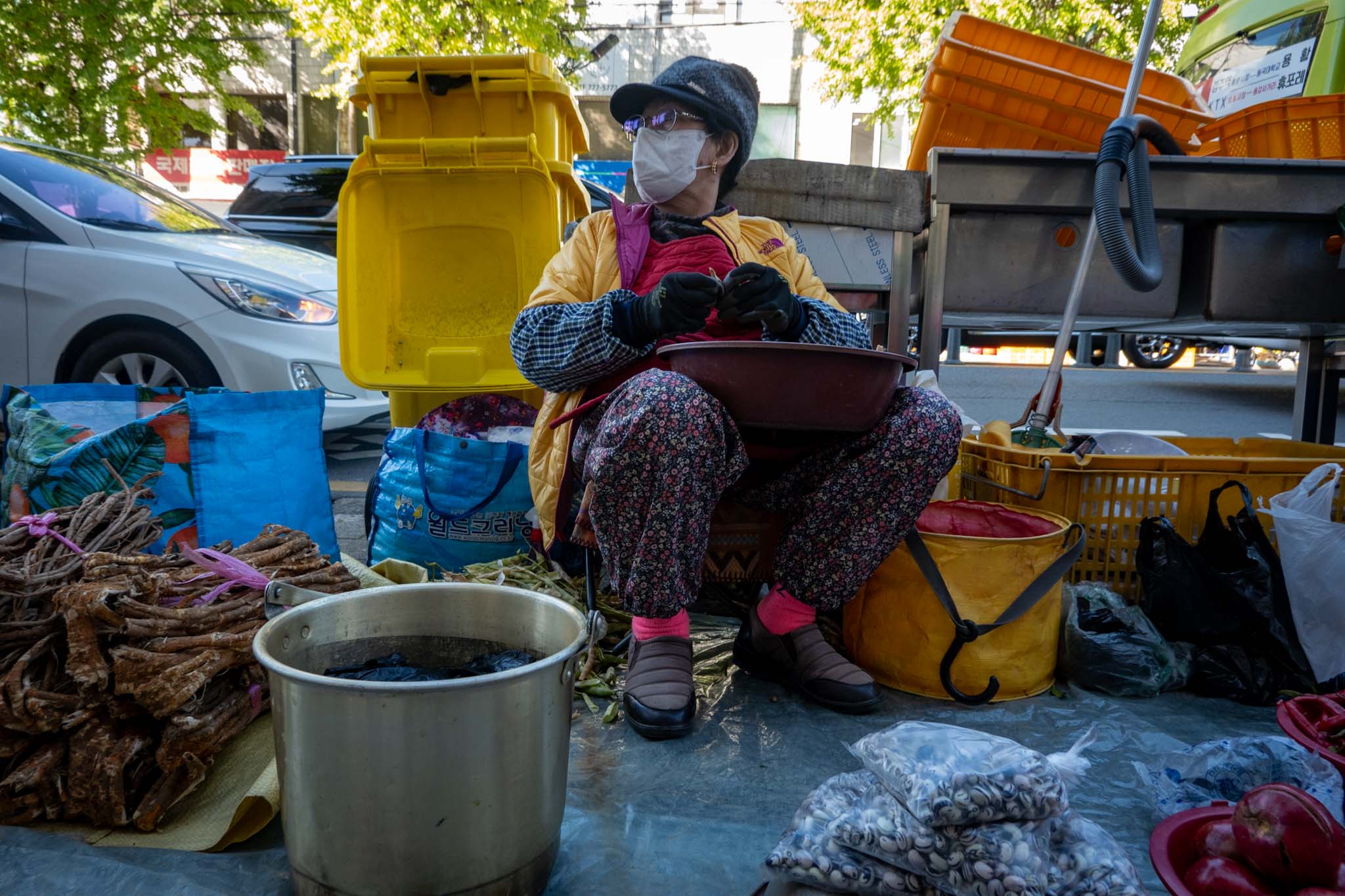
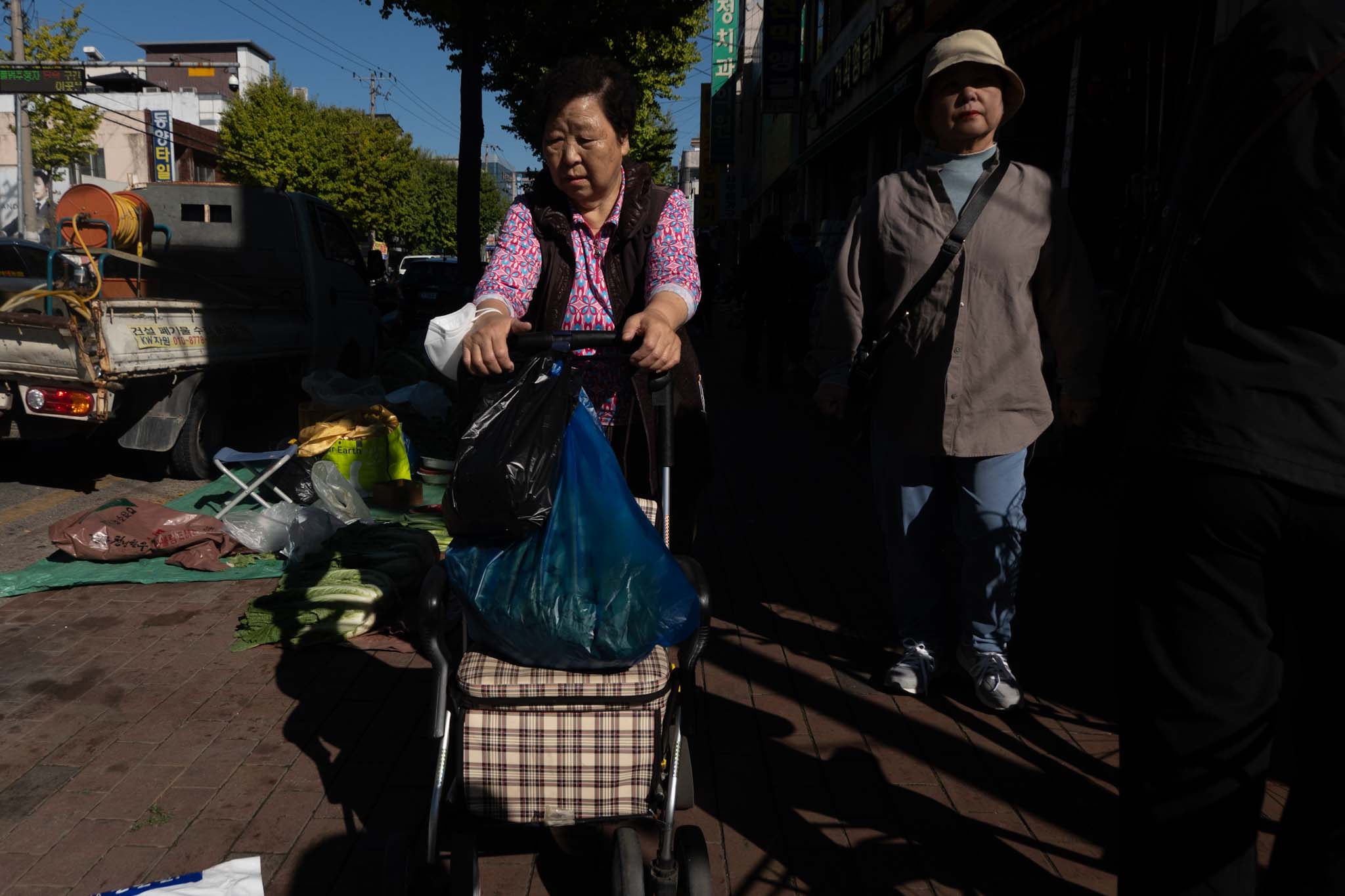
There is a temptation to romanticise these scenes, to celebrate the authenticity of traditional markets and the resilience of elderly people. Looking at these vendors, I found it difficult to see much romance: sitting for hours on a pavement, exposed to the weather, hoping to sell a few vegetables, is not necessarily an expression of a charming traditional lifestyle. It may also be a reminder of how unevenly economic prosperity is distributed, and how difficult old age can become when retirement offers insufficient financial security.
What makes Gyeongju particularly moving is the contrast between its celebrated past and its less visible present. Tourists arrive to admire the achievements of a civilization that flourished more than a thousand years ago, while a few streets away, elderly vendors continue an everyday struggle that feels almost timeless. Their faces and hands tell stories of labour, patience and survival. They are not part of the city’s monumental heritage, yet they represent another form of living history.
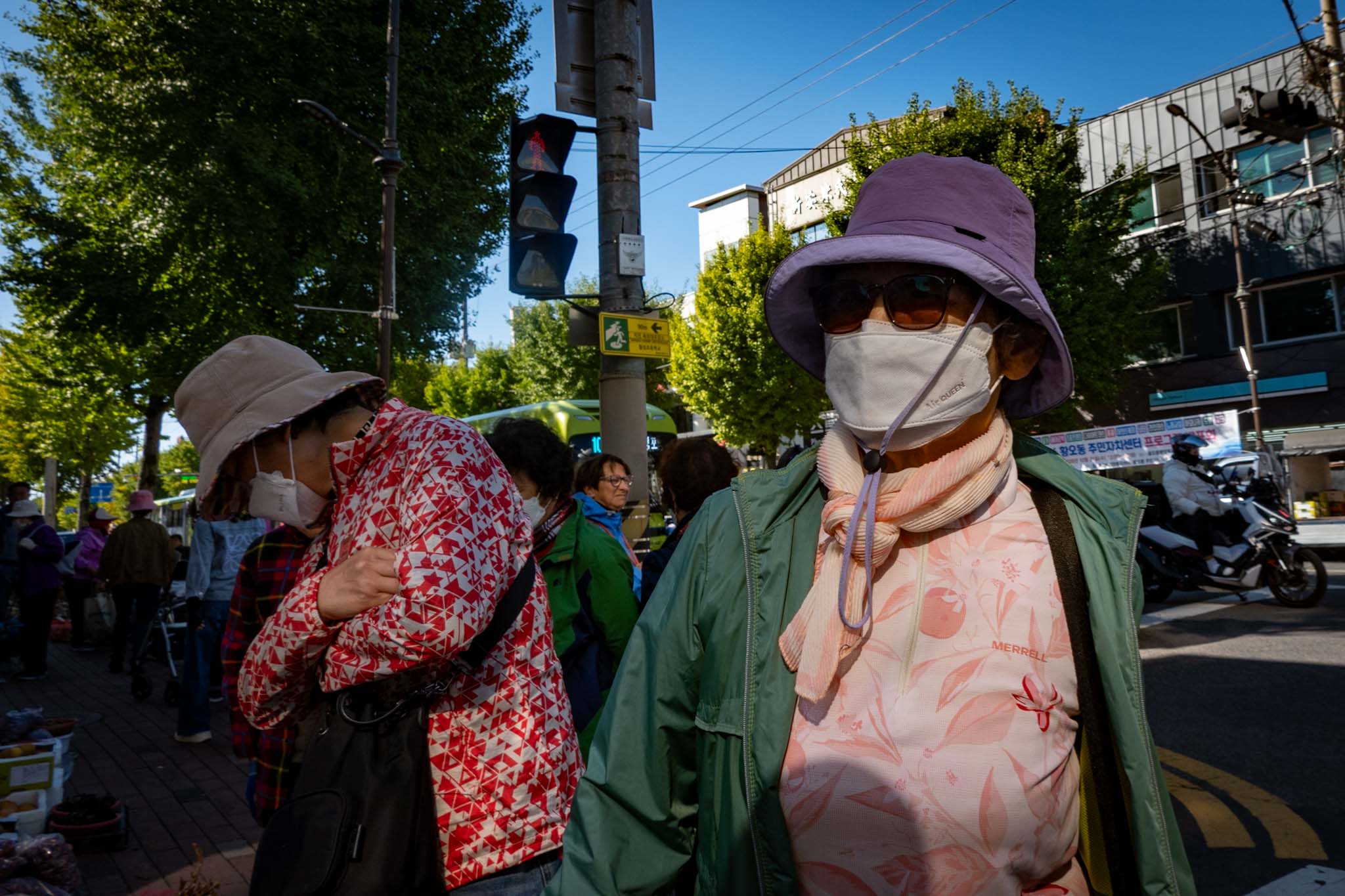
As I walked away, I kept thinking about the missing generation. Who will occupy these pavements in ten or twenty years? Perhaps nobody. The market may become cleaner, more organized, more efficient, and eventually more attractive to visitors. But something important will disappear with these elderly sellers: not simply a traditional way of trading, but the last visible traces of an economy in which survival still depends on showing up every morning, arranging a handful of vegetables, and waiting for someone to buy them.
Discover more from THE QUIET REPORT
Subscribe to get the latest posts sent to your email.
