KINGS OF SILLA
Written by Maurizio “Mau” Vagnozzi
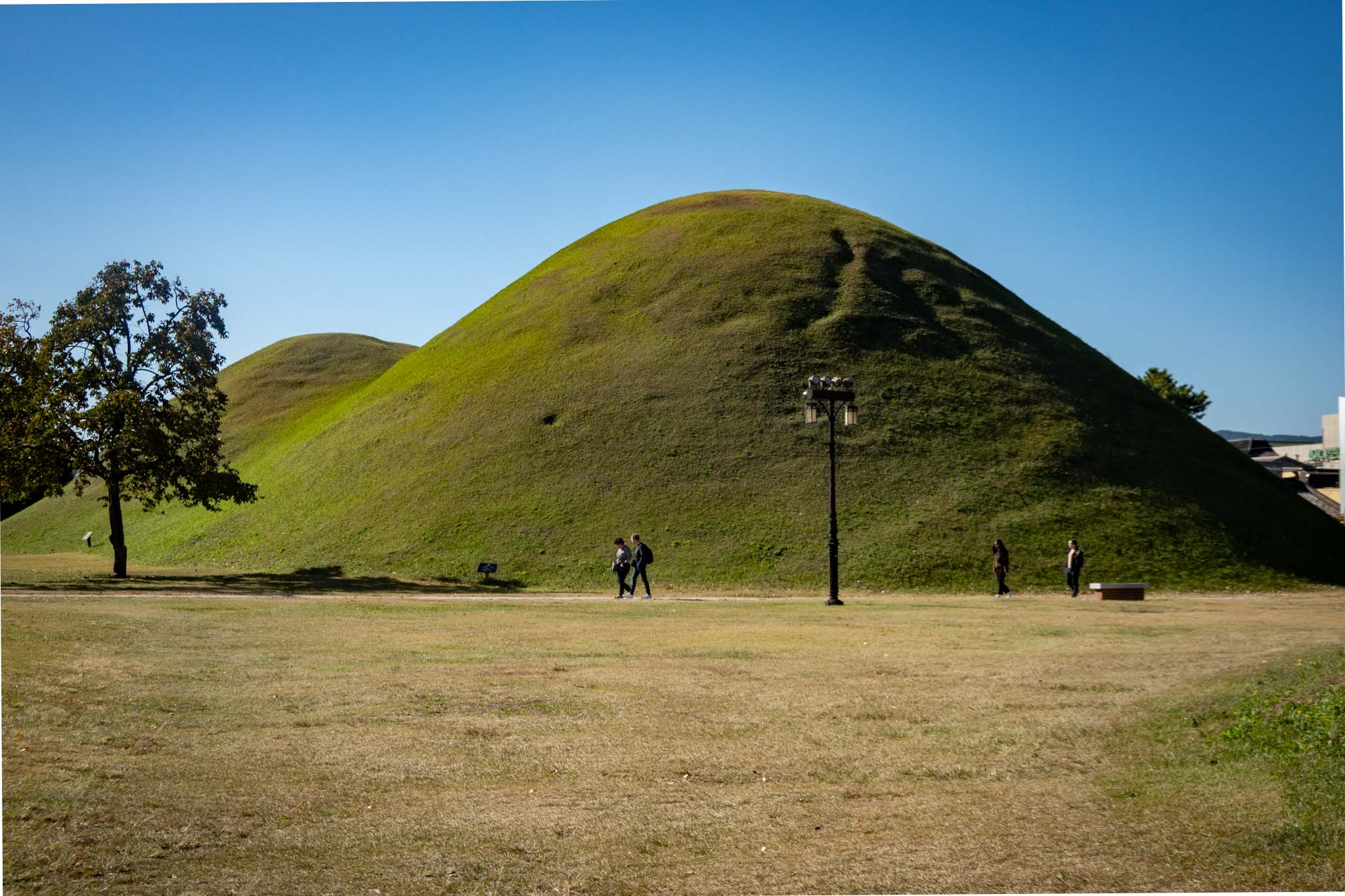
Walking through Daereungwon Tomb Complex, in the heart of Gyeongju, feels like entering a landscape suspended between history and nature. Enormous grassy mounds rise gently from the ground, their perfectly rounded silhouettes resembling small green hills. There are no imposing monuments, marble statues or elaborate inscriptions celebrating the dead. Instead, the ancient kings and aristocrats of the Silla dynasty rest beneath layers of earth, surrounded by trees, walking paths and the quiet rhythms of a modern Korean city.
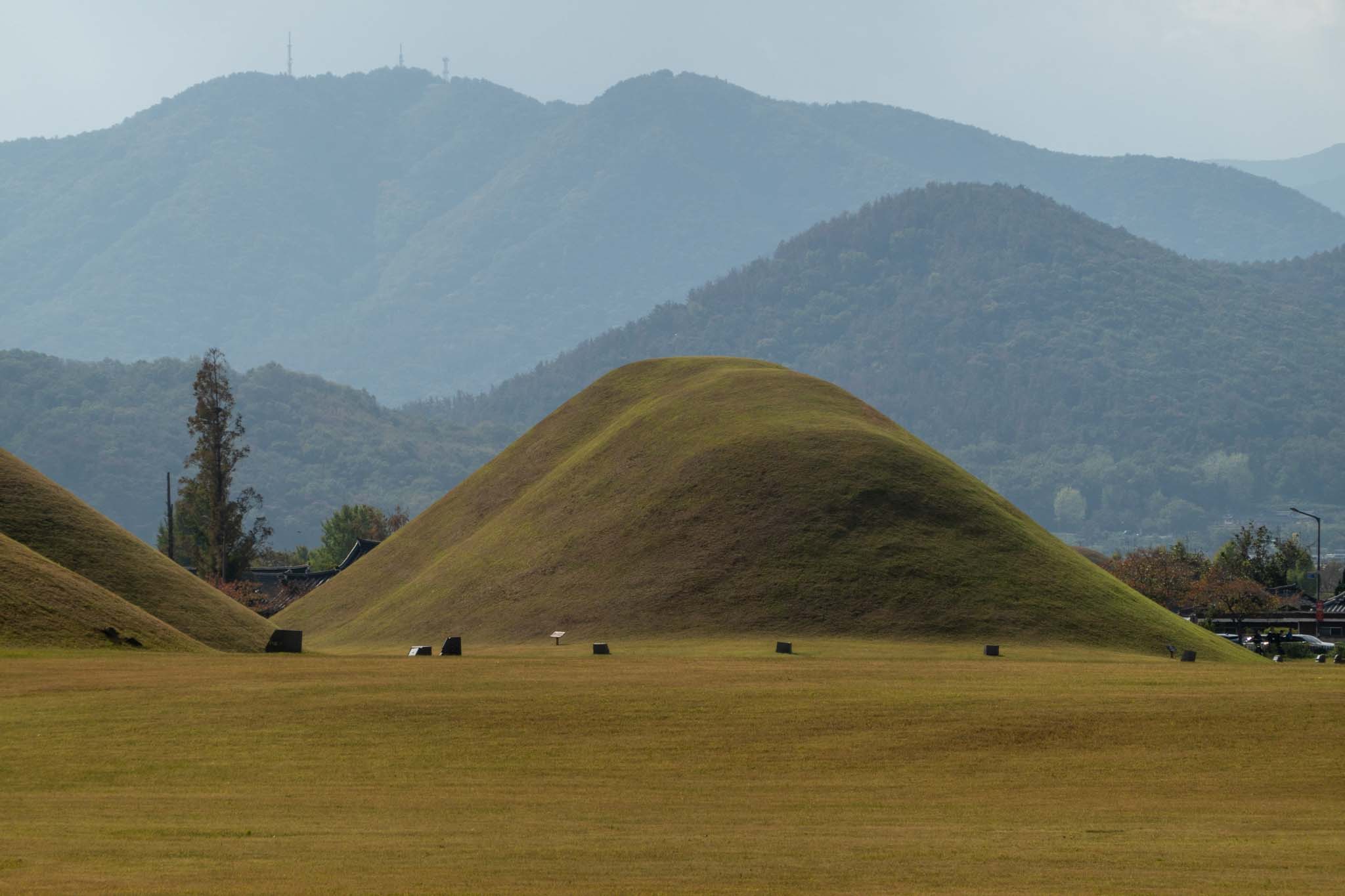
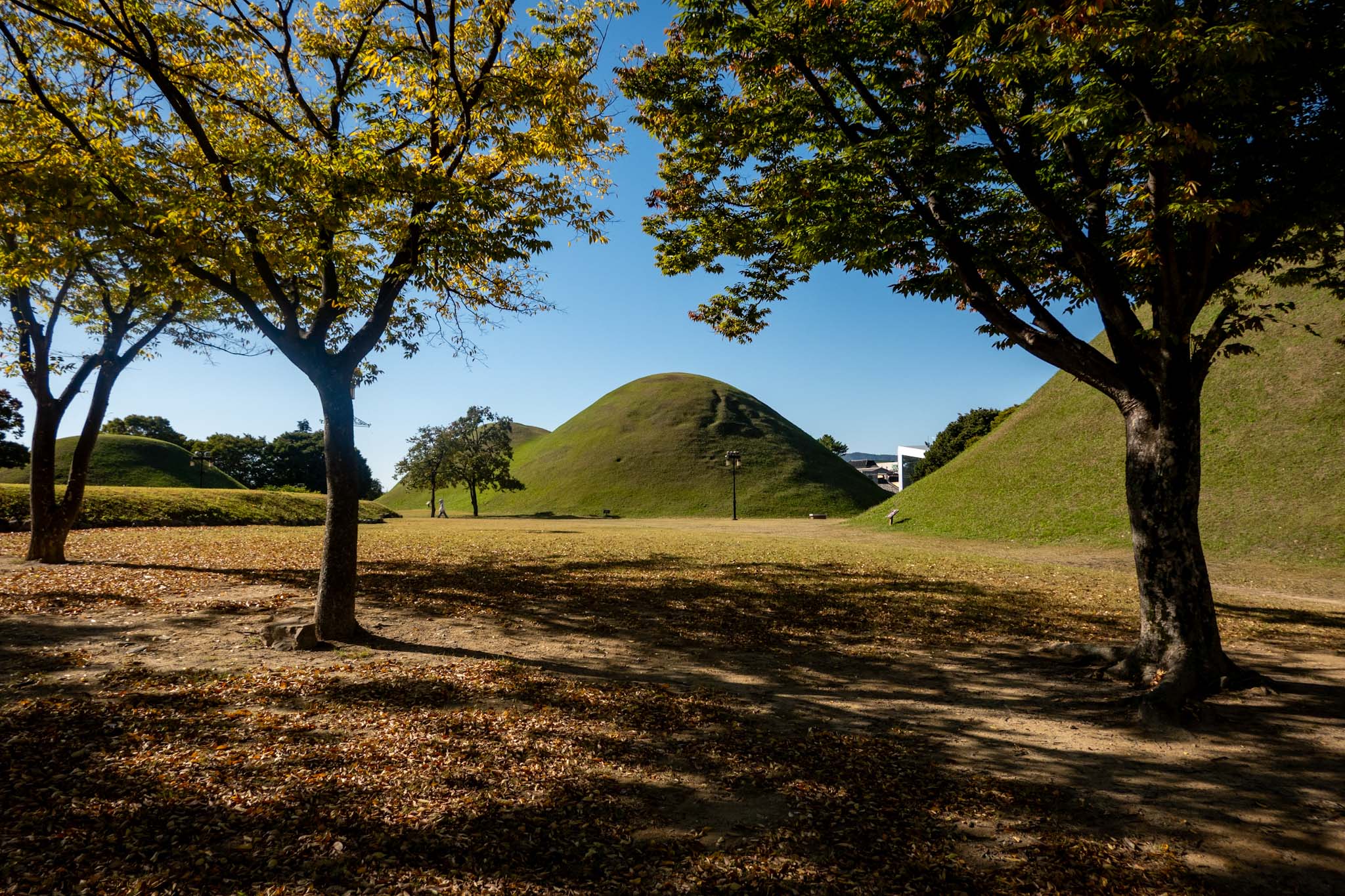
The Silla kingdom ruled southeastern Korea for nearly a thousand years, from 57 BCE to 935 CE, eventually unifying much of the Korean Peninsula in the seventh century. Gyeongju, its capital, became one of East Asia’s great cultural and political centres, a prosperous city connected through trade and diplomacy to China and the wider Asian world. Beneath these apparently simple hills, archaeologists have discovered extraordinary treasures: gold crowns, elaborate jewellery, ceremonial weapons and objects revealing the wealth and sophistication of Silla’s ruling elite.
One of the most remarkable discoveries came from the Cheonmachong Tomb, the Heavenly Horse Tomb, excavated in 1973. Its burial chamber contained thousands of artefacts, including a magnificent golden crown and a painted birch-bark saddle flap depicting a white horse. Such discoveries transformed our understanding of a civilization whose political power disappeared more than a millennium ago, but whose cultural influence remains deeply embedded in Korean identity.
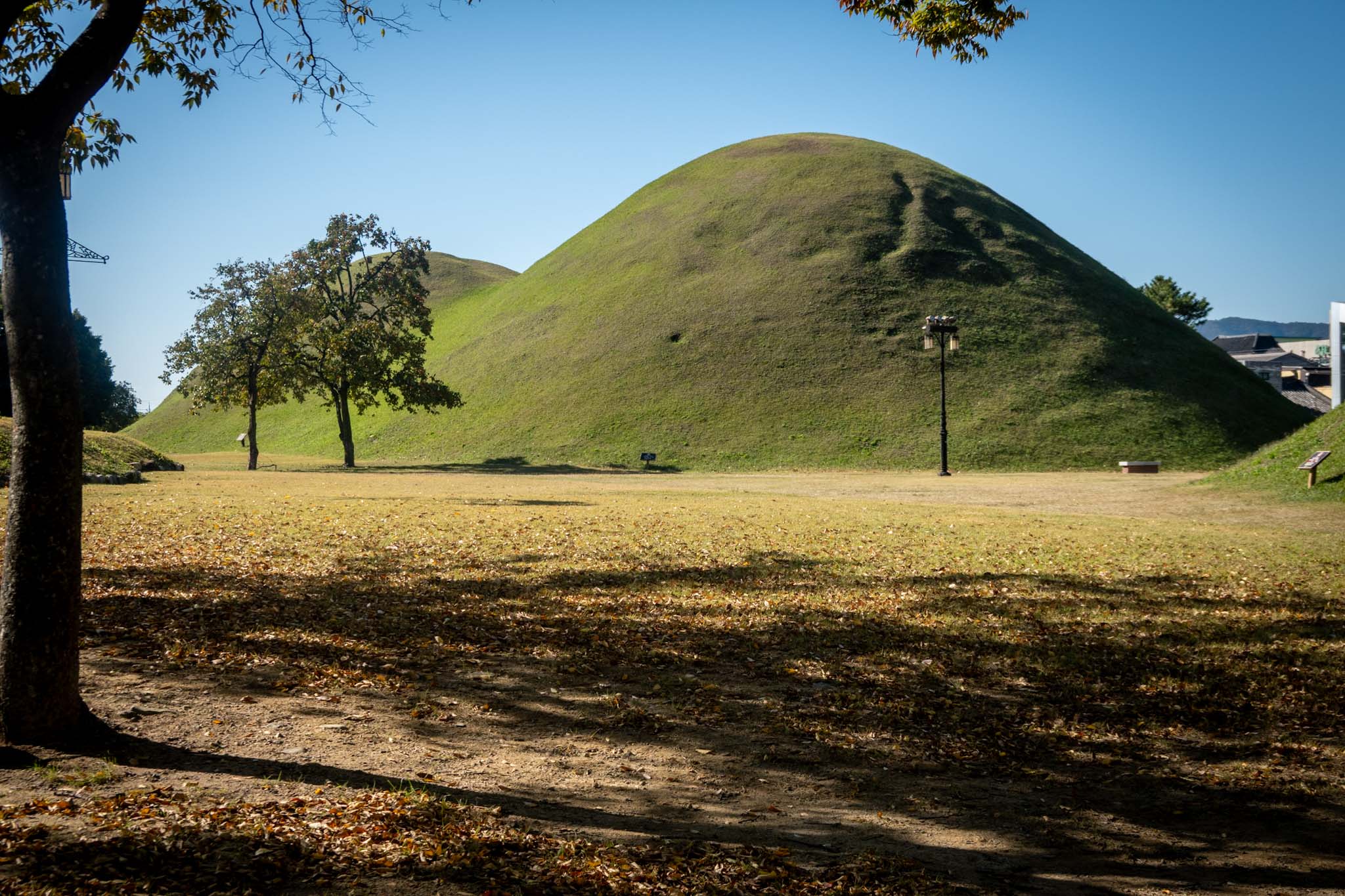
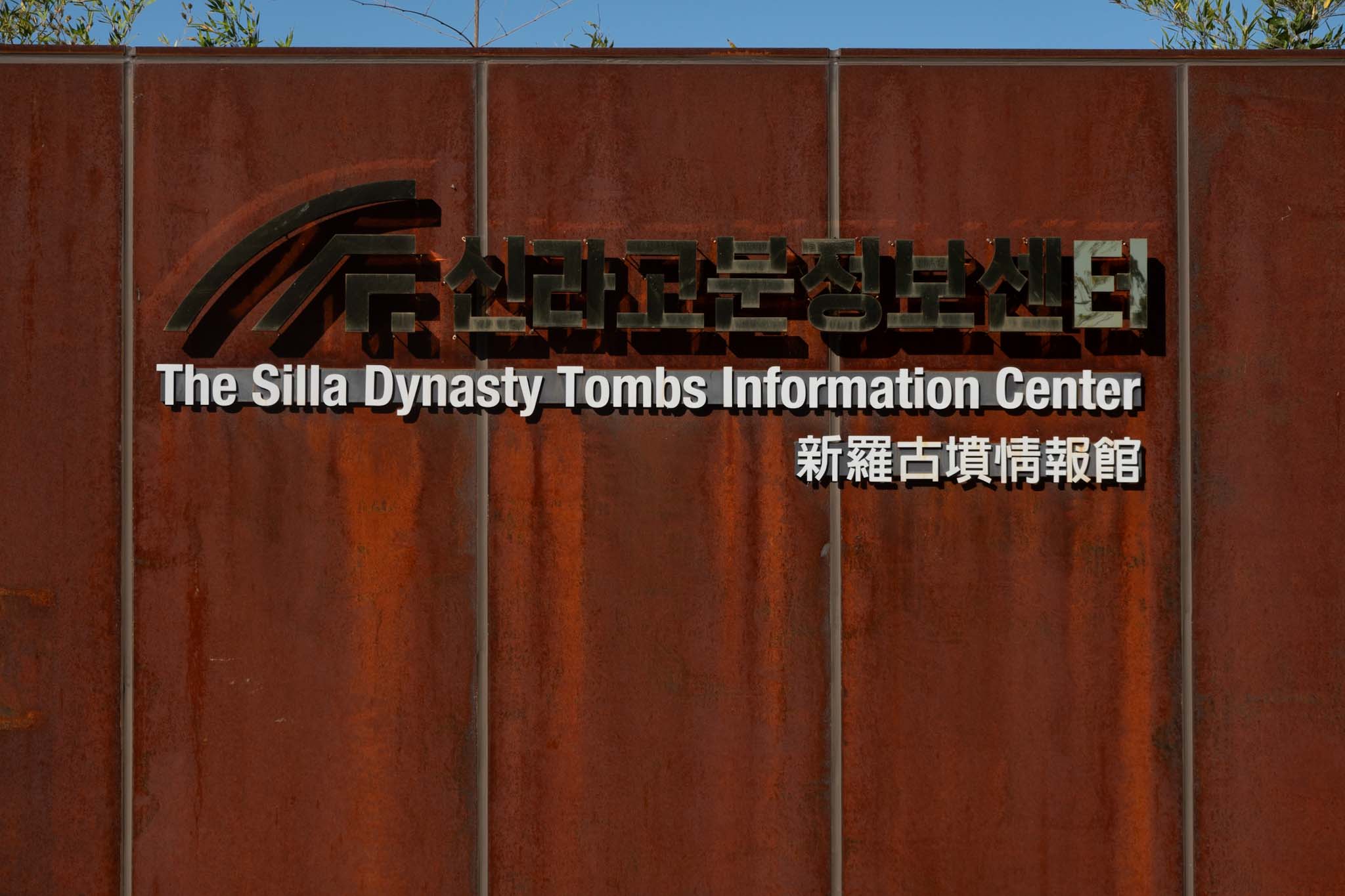
What makes Gyeongju particularly fascinating is the absence of any clear separation between its ancient past and contemporary life. The tombs are not isolated in a distant archaeological park. They occupy the very centre of the city, where families stroll, young couples take photographs and elderly residents walk beneath trees that have grown around centuries of history. The former capital of a powerful kingdom has become a peaceful provincial city, yet its ancient rulers remain physically present in the landscape.
Perhaps this is the most striking impression Gyeongju leaves behind. Civilizations rise, accumulate wealth, build political power and eventually disappear. What survives is not necessarily their grandeur, but the quieter traces they leave in the places where ordinary life continues. In Gyeongju, history does not stand above the city. It lies beneath the grass.
Tags:
Discover more from THE QUIET REPORT
Subscribe to get the latest posts sent to your email.
