BOLGKUSA FOR PEACE
Written by Maurizio “Mau” Vagnozzi
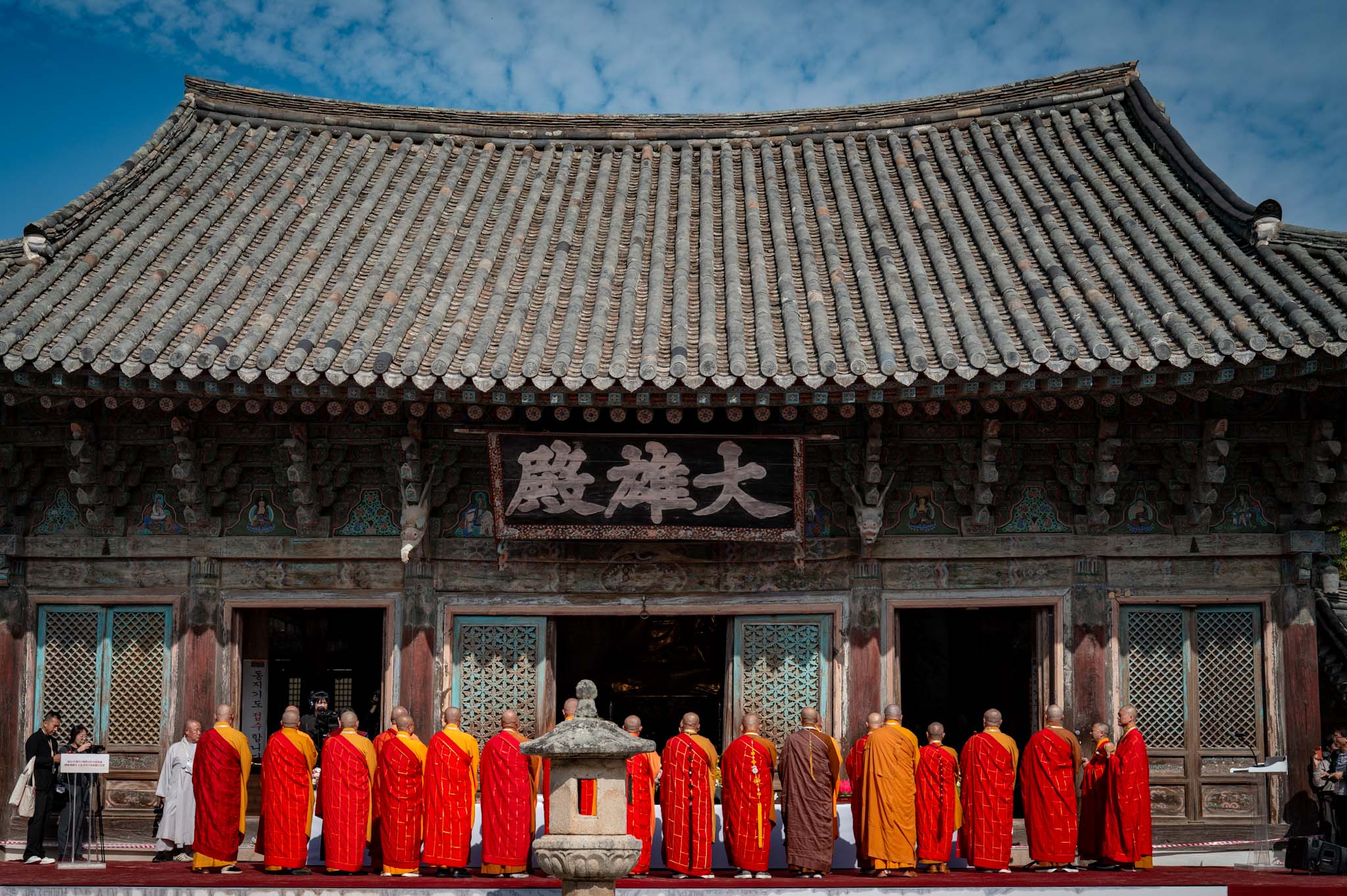
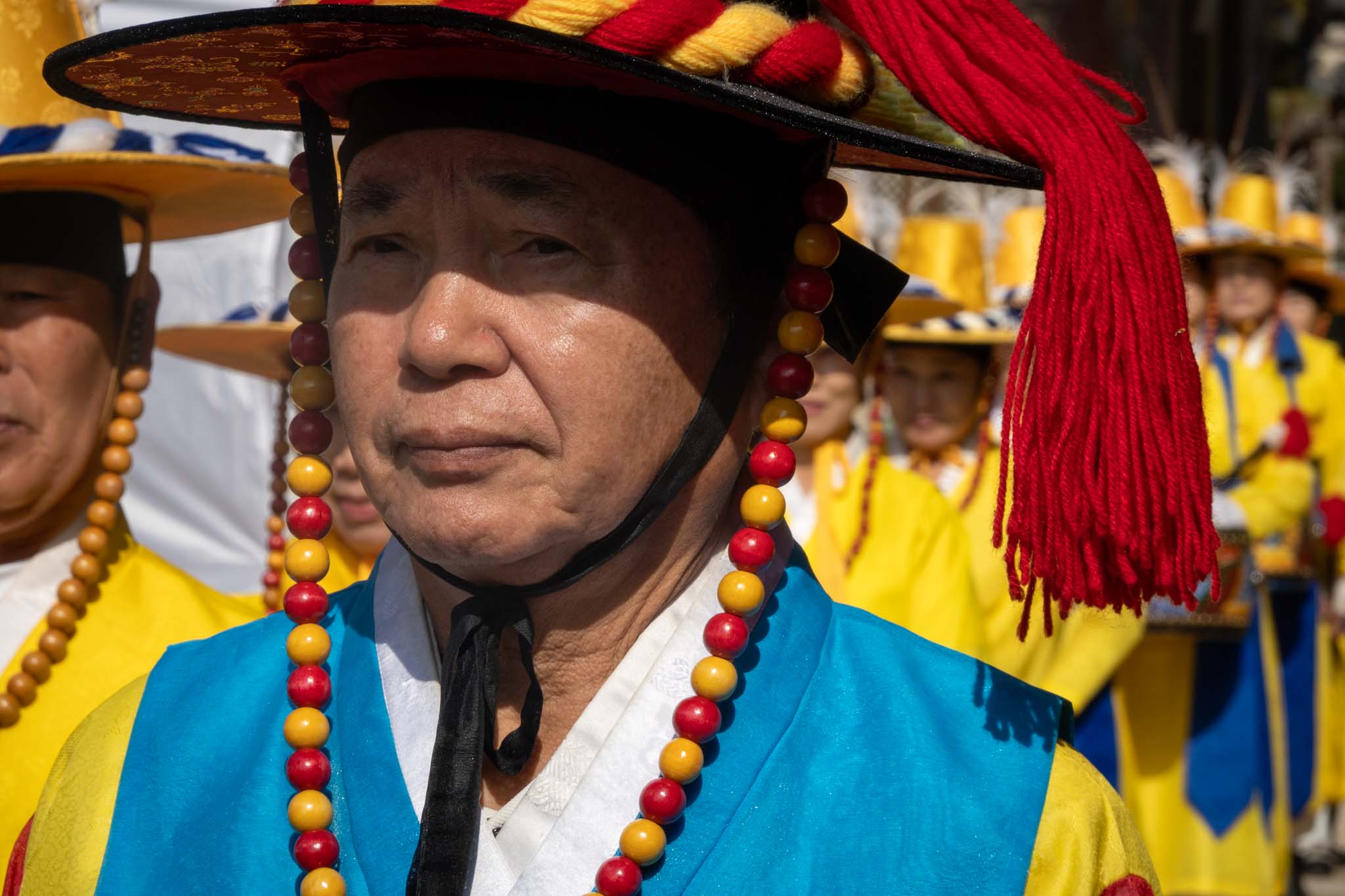
I arrived at Bulguksa Temple, in the ancient Korean capital of Gyeongju, expecting to explore one of the country’s most remarkable Buddhist monuments. Instead, I found myself witnessing something rather unusual: hundreds of Buddhist monks and religious representatives from South Korea, China and Japan gathering in the courtyard of an eighth-century temple, united by a common appeal for world peace.
The occasion was the 26th Korea–China–Japan Buddhist Friendship Exchange Conference, an initiative established in 1995 to strengthen relations among the Buddhist communities of the three countries. This year’s gathering, held in Gyeongju from October 20 to 22, brought together approximately 300 representatives under the theme of Buddhism’s contribution to society through spiritual practice. At the centre of the programme was the World Peace Prayer Ceremony, held on October 21 in front of Bulguksa’s main hall, the Daeungjeon
The choice of location was particularly meaningful. Bulguksa, a UNESCO World Heritage Site, represents one of the highest achievements of the Silla kingdom, which played a central role in the development and transmission of Buddhist culture across the Korean Peninsula. Built in its monumental form during the eighth century, the temple belongs to an era when religious ideas, artistic traditions and intellectual exchanges travelled extensively between China, Korea and Japan. Long before modern national borders and political rivalries, Buddhism had already established a shared cultural language across the region.
That historical connection made yesterday’s ceremony especially relevant. China, Japan and South Korea are today deeply interconnected economically, yet their relationships remain complicated by territorial disputes, memories of war, colonial history and competing geopolitical interests. Their Buddhist traditions, however, preserve connections that reach back more than a millennium.
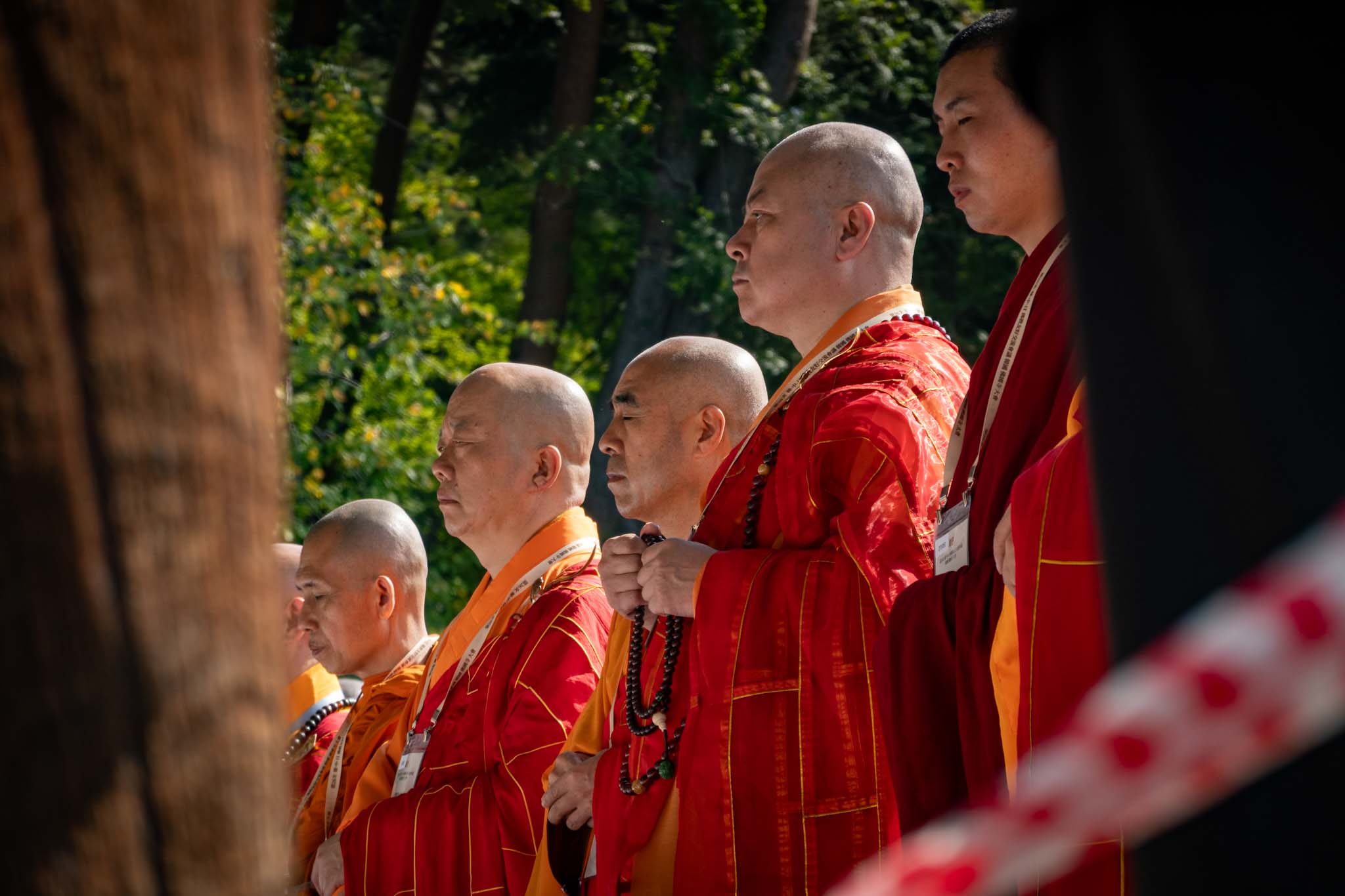
The religious leaders gathered at Bulguksa were not attempting to resolve those political disagreements. Their ambition was different: to reaffirm that compassion, mutual understanding and respect for human life can offer a common foundation even when governments disagree.
There is, of course, a considerable distance between religious declarations and political realities. Prayers cannot stop wars, and ceremonial gestures cannot erase historical grievances. Nevertheless, watching representatives of three countries with such complicated relationships participate in a common ritual offered a different perspective on the region. In an age when national identity is increasingly expressed through competition and confrontation, the deliberate choice to emphasize shared values carries its own significance.
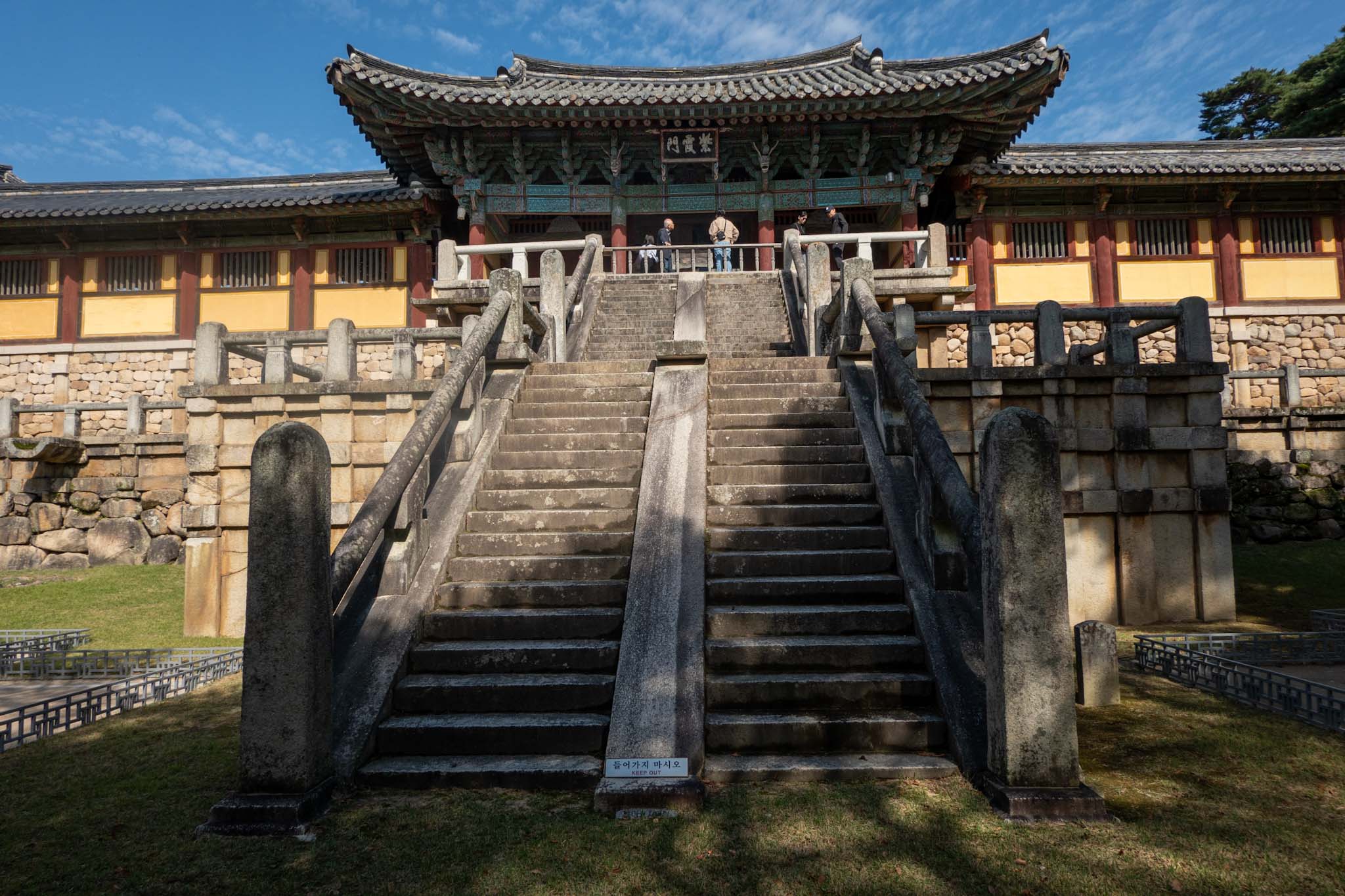
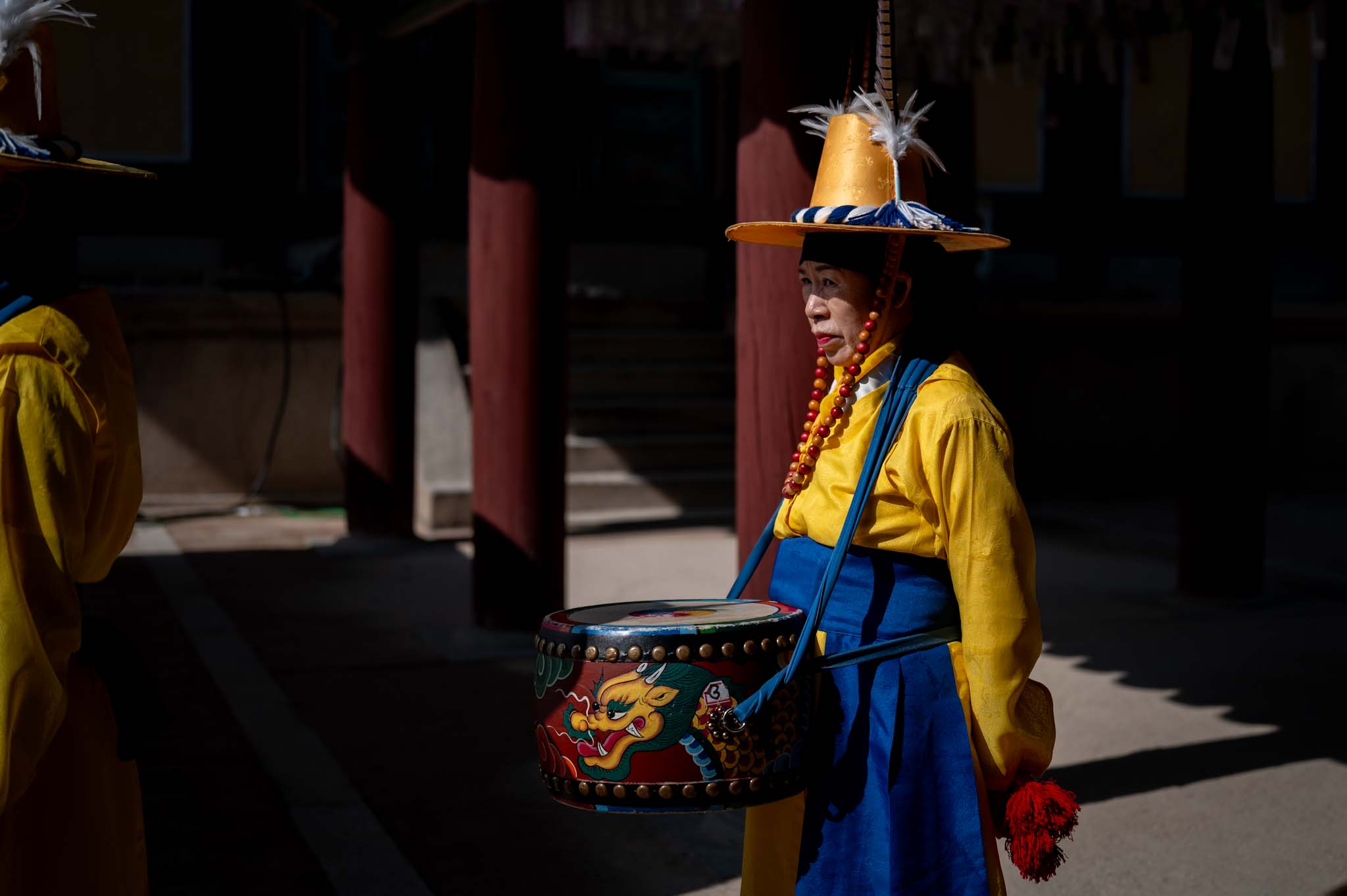
The most compelling aspect was the contrast between the setting and the contemporary message: Bulguksa has witnessed more than thirteen centuries of Korean history, including dynastic transformations, invasions, destruction and reconstruction. The temple has endured while political powers have risen and disappeared. Now, once again, it was being used as a place where people from different nations could acknowledge something larger than their immediate differences.
Photography often brings me into contact with the ordinary realities of Asian societies: ageing populations, disappearing markets, changing urban landscapes and the quiet struggles of everyday life. Yesterday, at Bulguksa, the subject was different, but the underlying question was familiar. How do societies preserve their human connections while the world around them changes?
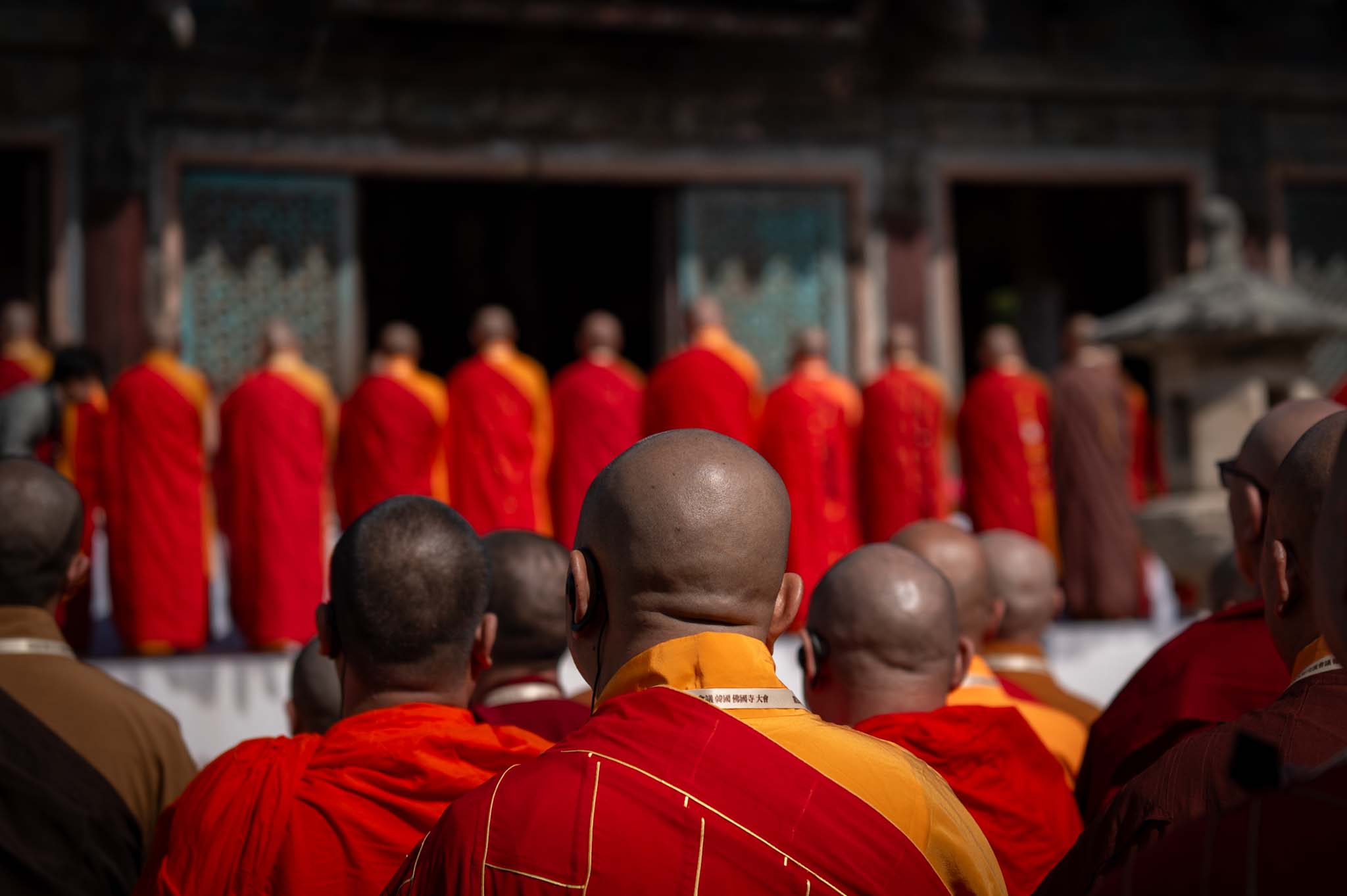
Perhaps the most interesting photograph of the day was not necessarily the most colourful robe or the most elaborate ritual. It was the simple image of Buddhist representatives from Korea, China and Japan standing together in a place that had already connected their civilizations for more than a thousand years.
In a world increasingly divided by borders, interests and competing narratives, there was something quietly reassuring about that continuity.
And perhaps that was the real meaning of the ceremony: not the expectation that a prayer could change the world, but the conviction that dialogue, compassion and the willingness to stand together remain necessary first steps.
Discover more from THE QUIET REPORT
Subscribe to get the latest posts sent to your email.
