SEOUL, SILENCE AND NEON
Written by Maurizio “Mau” Vagnozzi
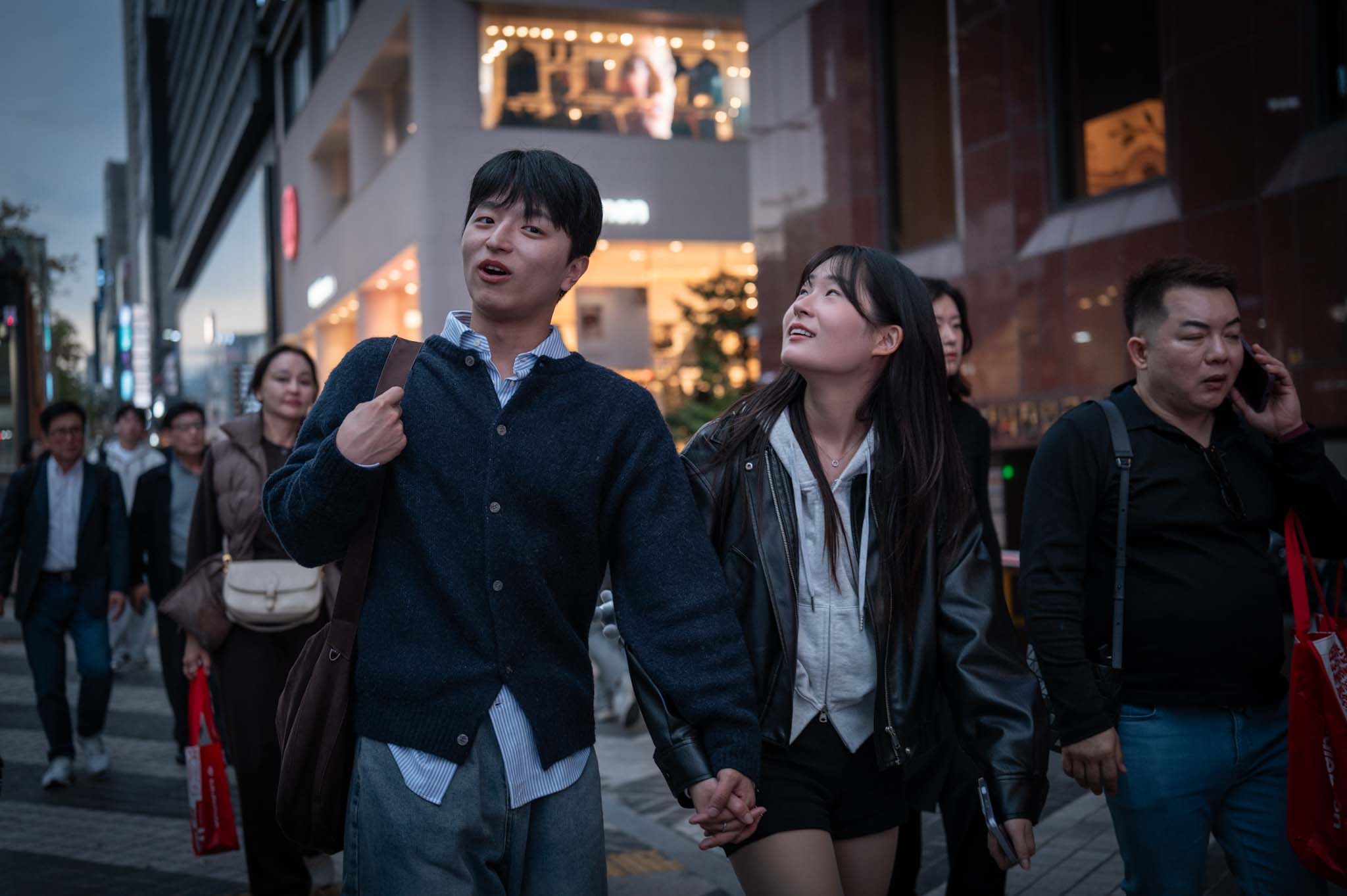
Tonight, walking through Gangnam with my Leica Q3 43, I found myself in a city that seemed determined never to stop. The pavements were crowded with young couples, office workers leaving their jobs, groups of friends moving between restaurants and shops, and solitary figures absorbed in the small illuminated screens of their phones. Above them, enormous advertising signs competed for attention, promoting beauty clinics, fashion, cosmetics and the endless possibilities of personal improvement. Seoul after dark is an extraordinary spectacle of movement, consumption and light, a place where even the night appears to have become another working shift.
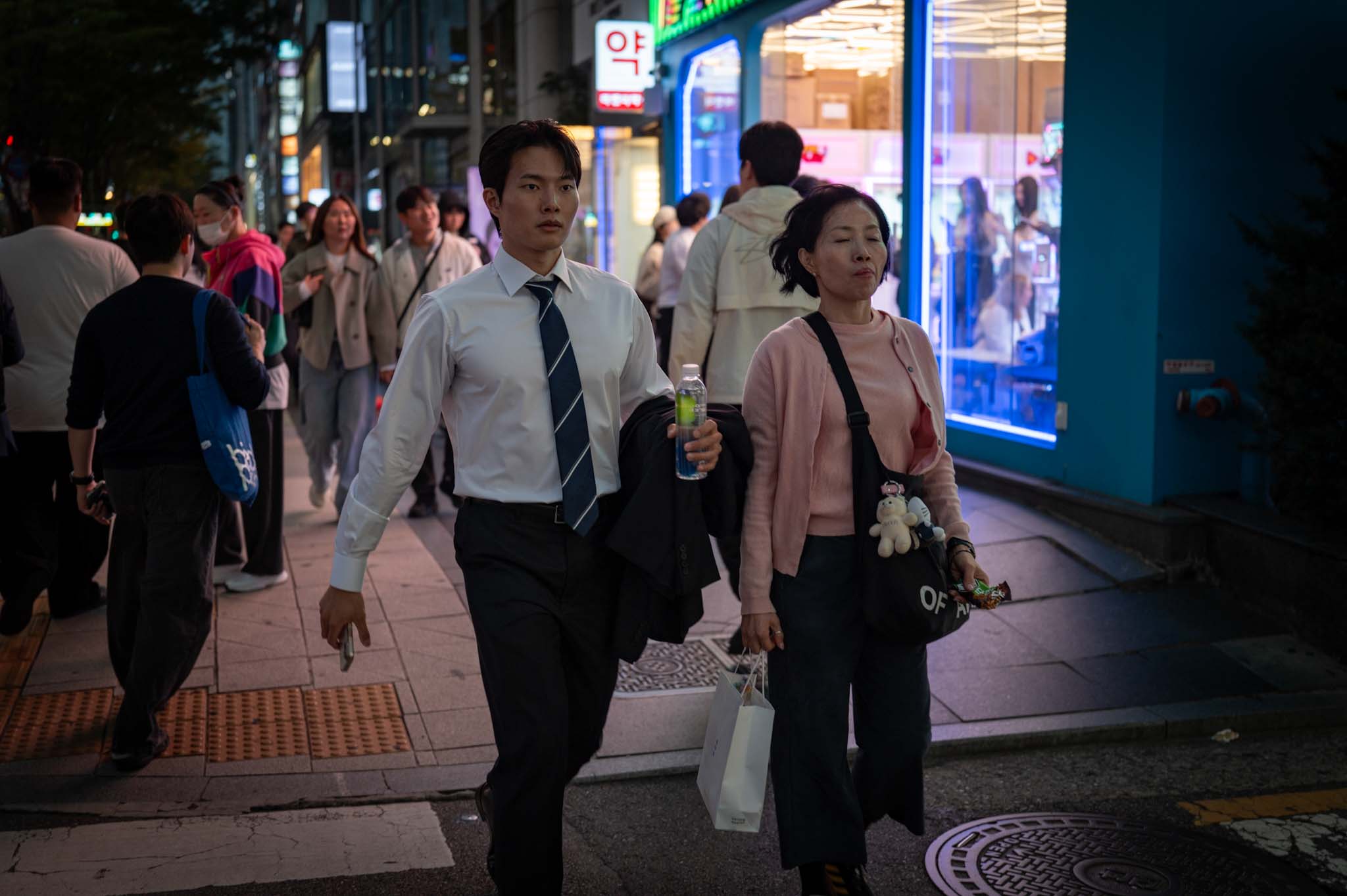
Only a few days earlier, I had experienced a very different Korea. Walking through Buddhist temple complexes, surrounded by ancient wooden buildings, painted roofs and the lingering smell of incense, I had encountered a sense of calm that seemed almost incompatible with the capital’s relentless energy. The temples were not empty or disconnected from contemporary life. Visitors arrived, took photographs, bowed before the Buddha and continued their day. Yet something about those places encouraged a different relationship with time. Nobody appeared particularly concerned with what might happen in the next five minutes.
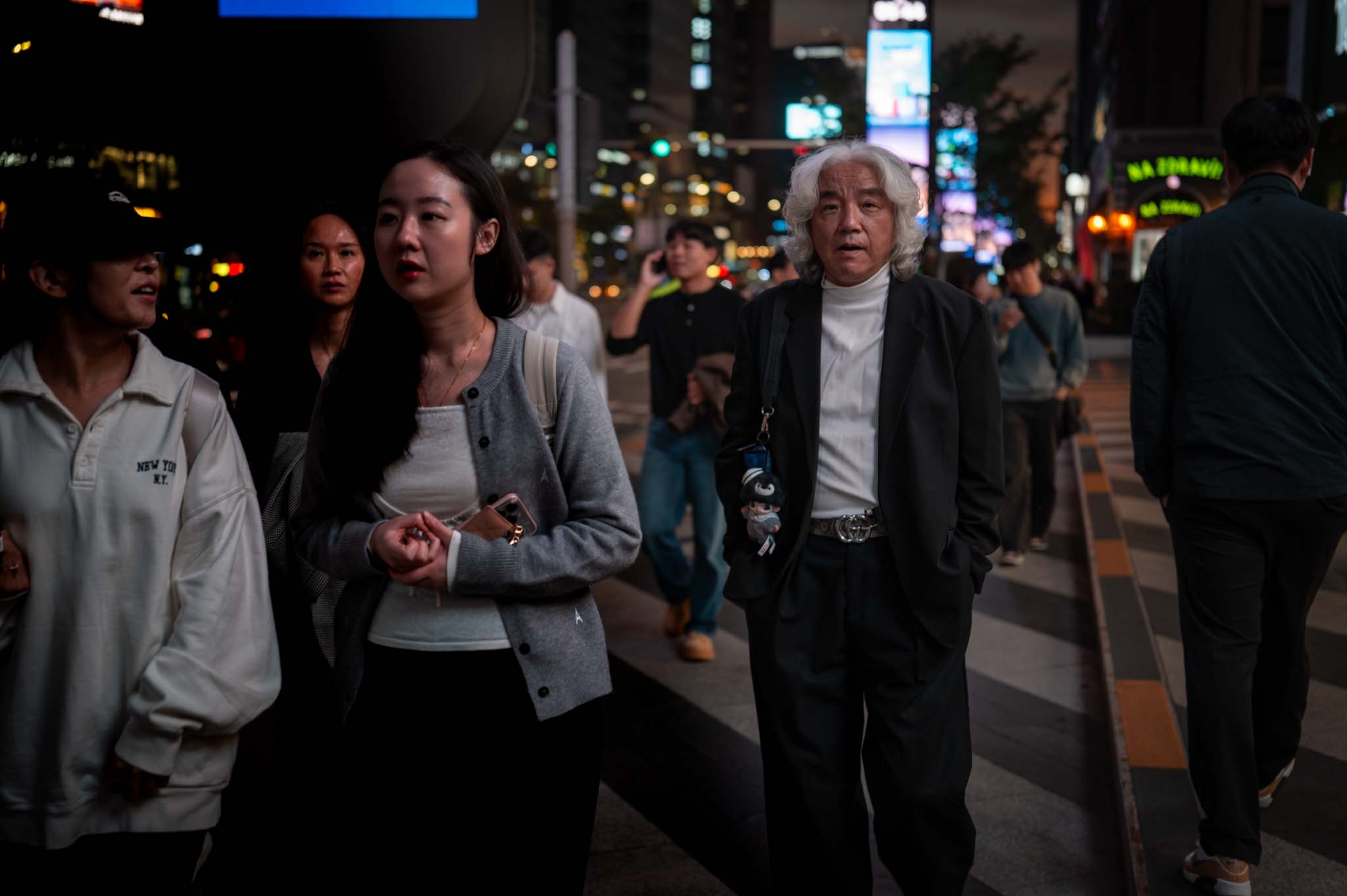
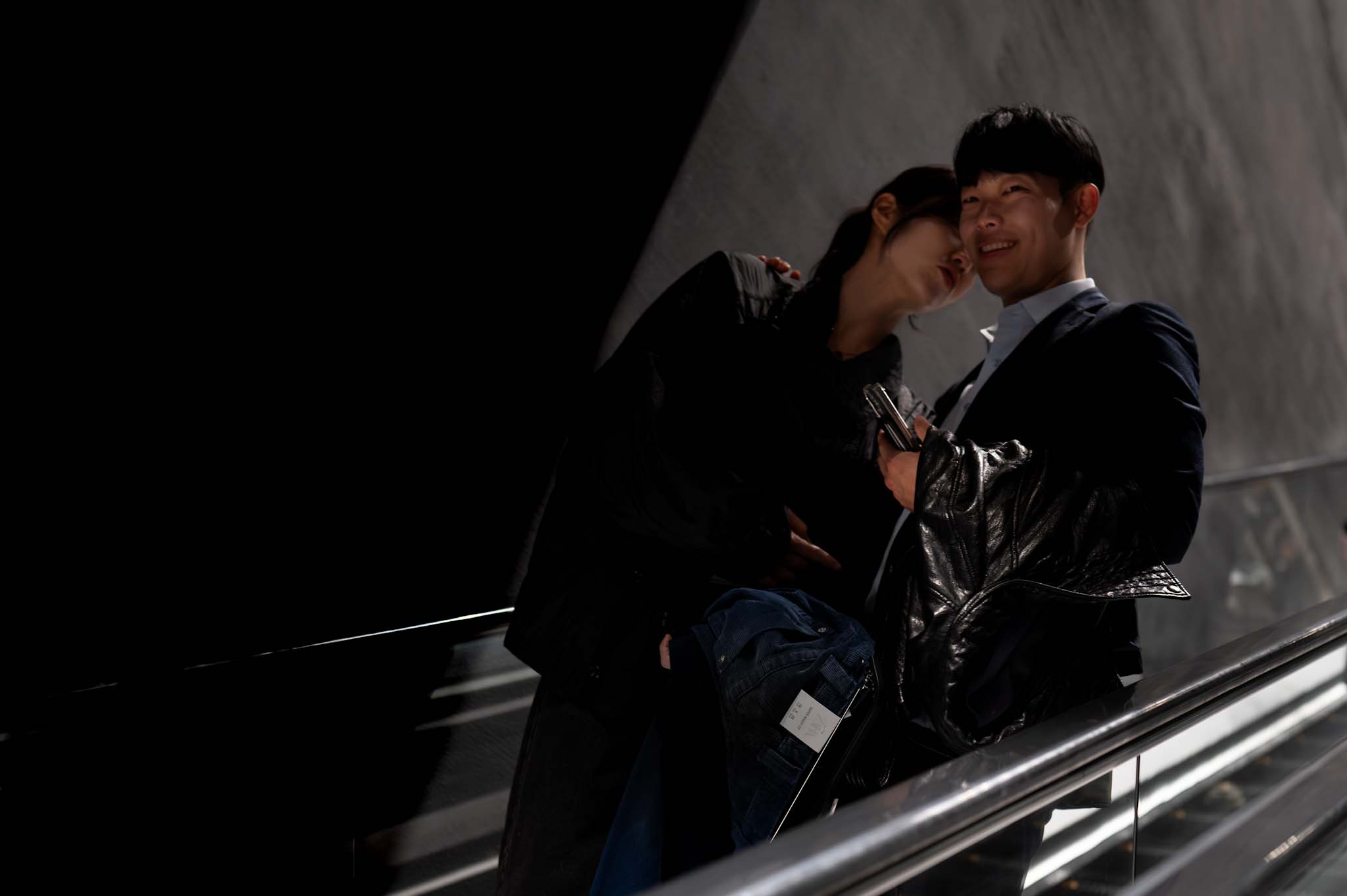
The contrast became particularly striking tonight. In Gangnam, everything seems designed to accelerate desire. The illuminated signs promise better skin, more beautiful teeth, a younger appearance, a more successful version of oneself. South Korea’s remarkable economic transformation has created one of the world’s most technologically advanced and consumer-oriented societies, but it has also produced a culture in which achievement, appearance and social expectations can become formidable pressures. The commercial landscape of Gangnam offers a remarkably visible expression of these ambitions.
And yet, watching the people passing in front of my camera, I found a more complicated reality than the familiar image of a society obsessed with success. A young couple laughed together while descending an escalator. An older man with long white hair walked through the crowd with an almost theatrical elegance. Another, wearing extravagant pink glasses and flowers around his neck, seemed entirely indifferent to conventional expectations. There were moments of tenderness, individuality and unexpected humour everywhere. Behind the commercial spectacle, ordinary human life continued with its infinite variations.
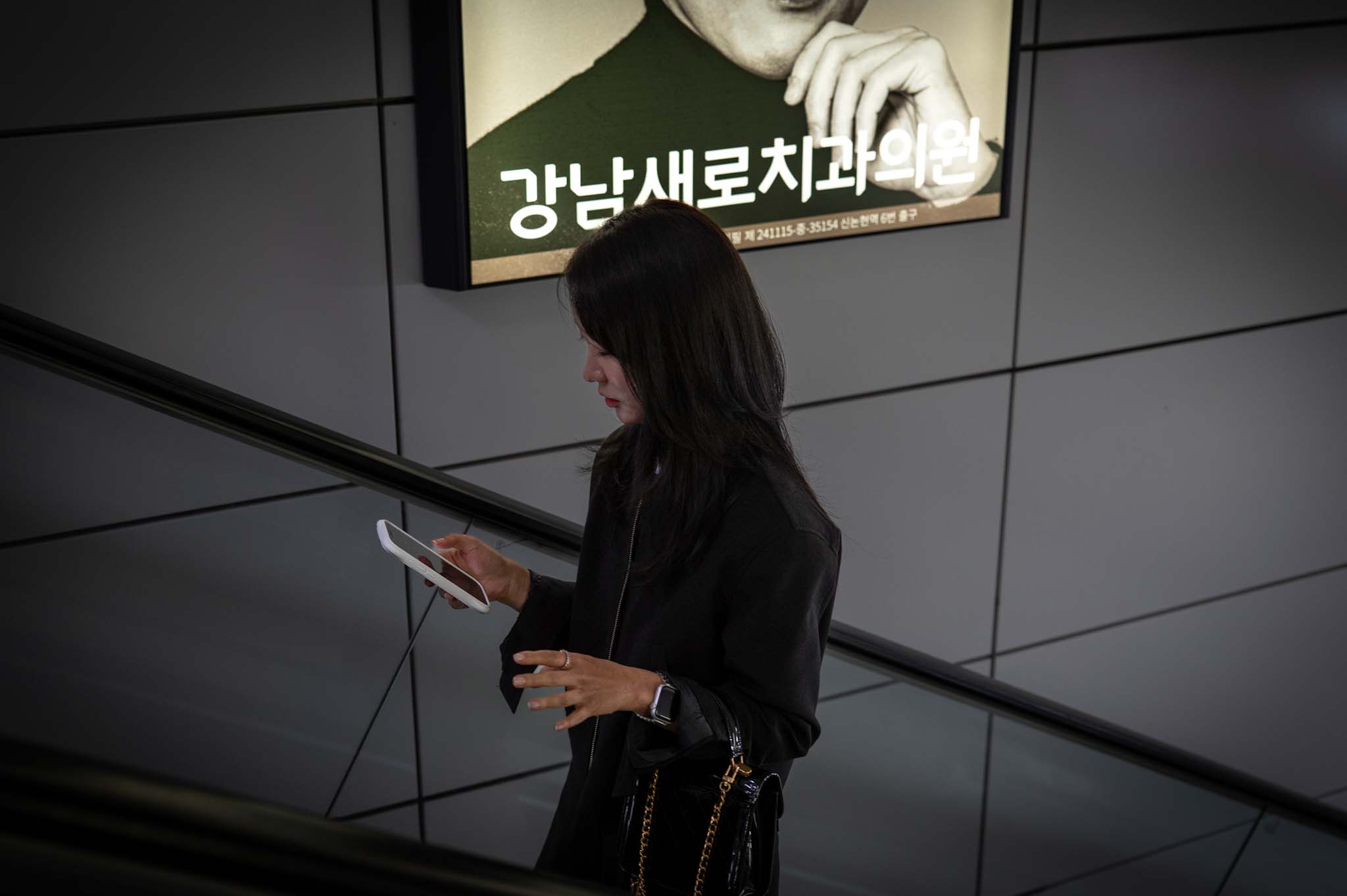
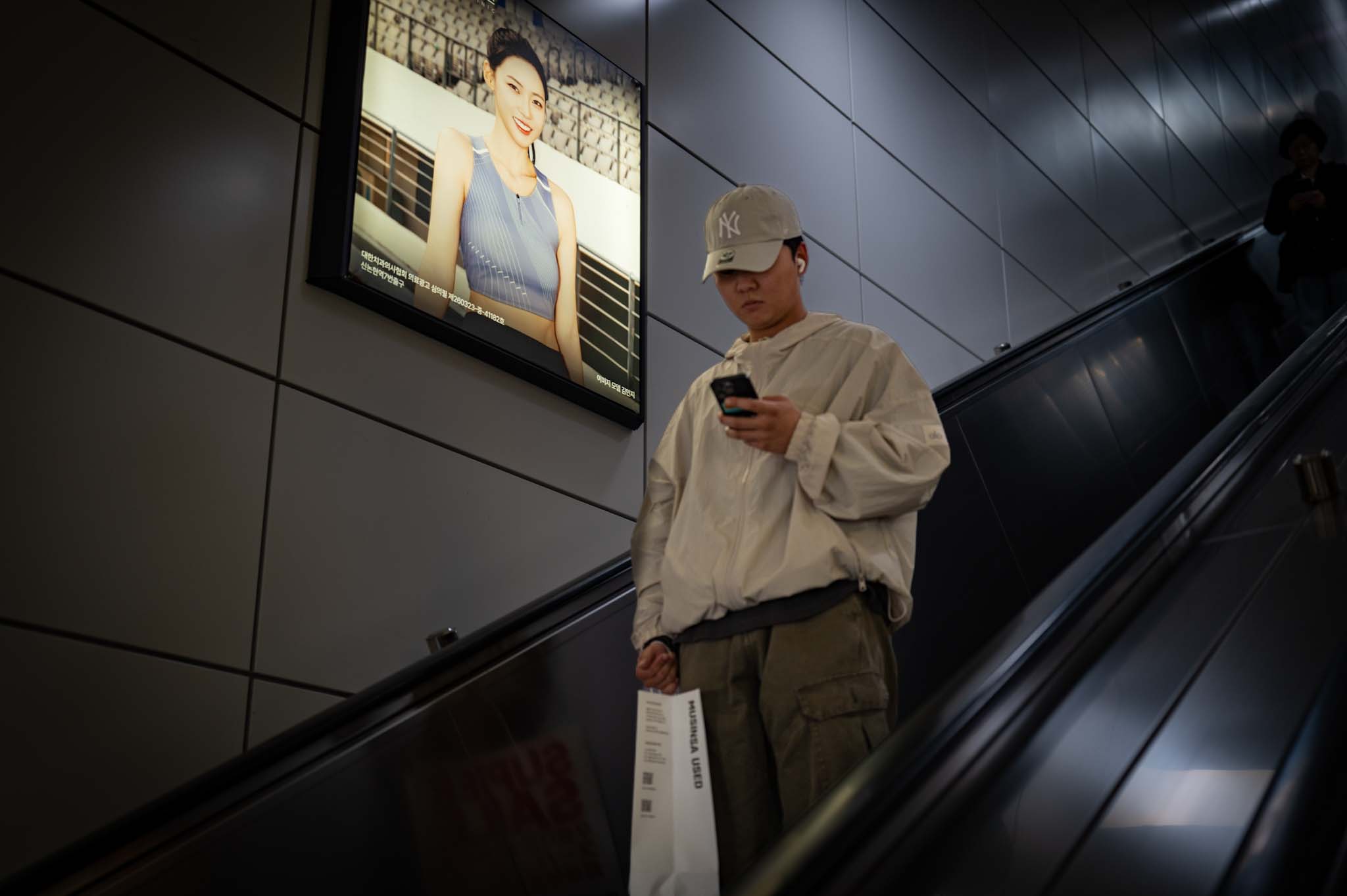
Perhaps the most revealing scenes were those involving smartphones. People walked while reading messages, travelled on escalators without looking up, sat together in brightly illuminated restaurants while concentrating on separate screens. It would be easy to interpret these images as evidence of increasing isolation, but photography rarely offers such simple conclusions. The same devices connect families, sustain friendships and organise the complicated routines of urban life. What interested me was the visual contradiction: a city overflowing with stimulation, inhabited by people frequently withdrawing into their own private worlds.
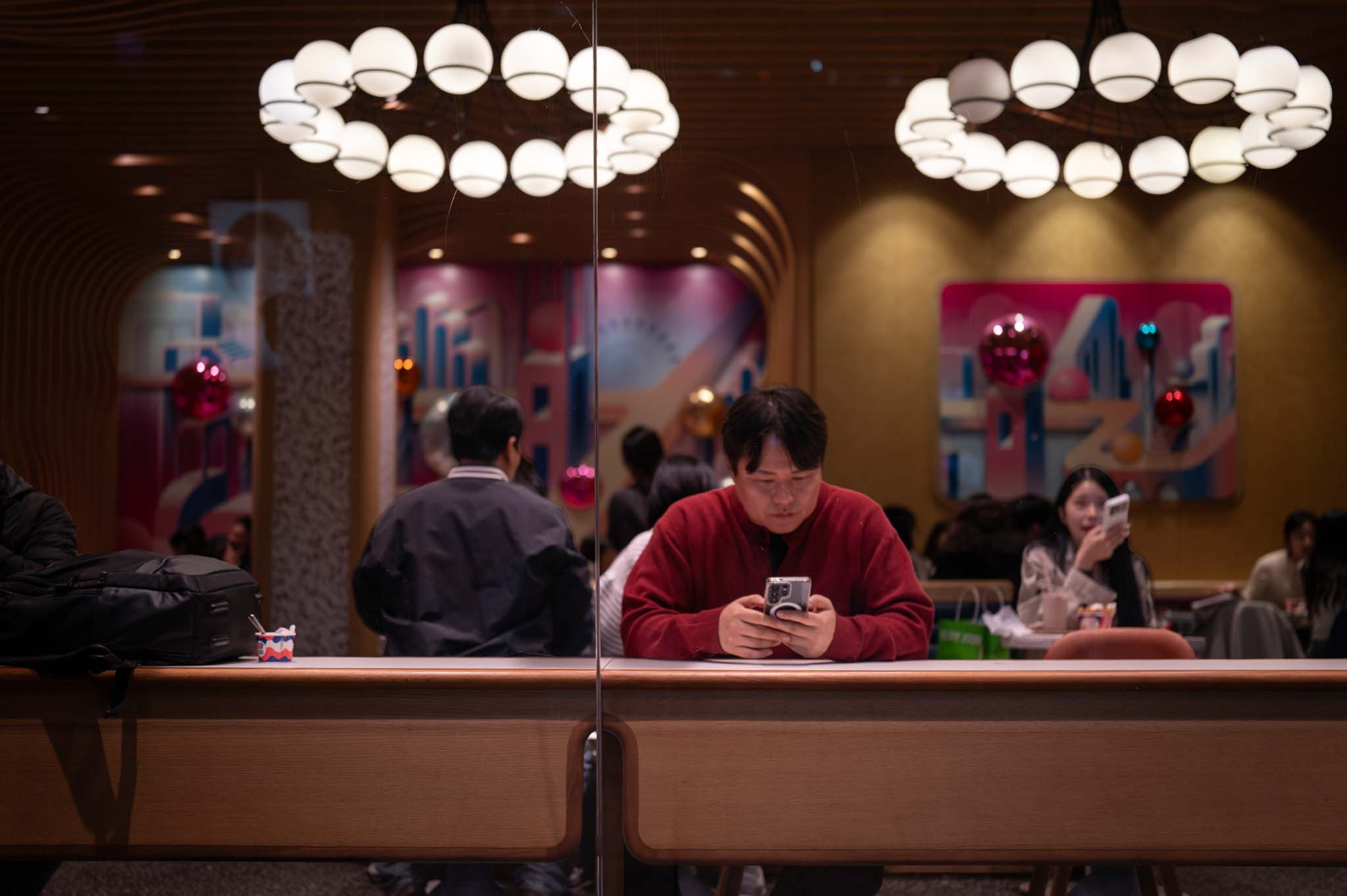
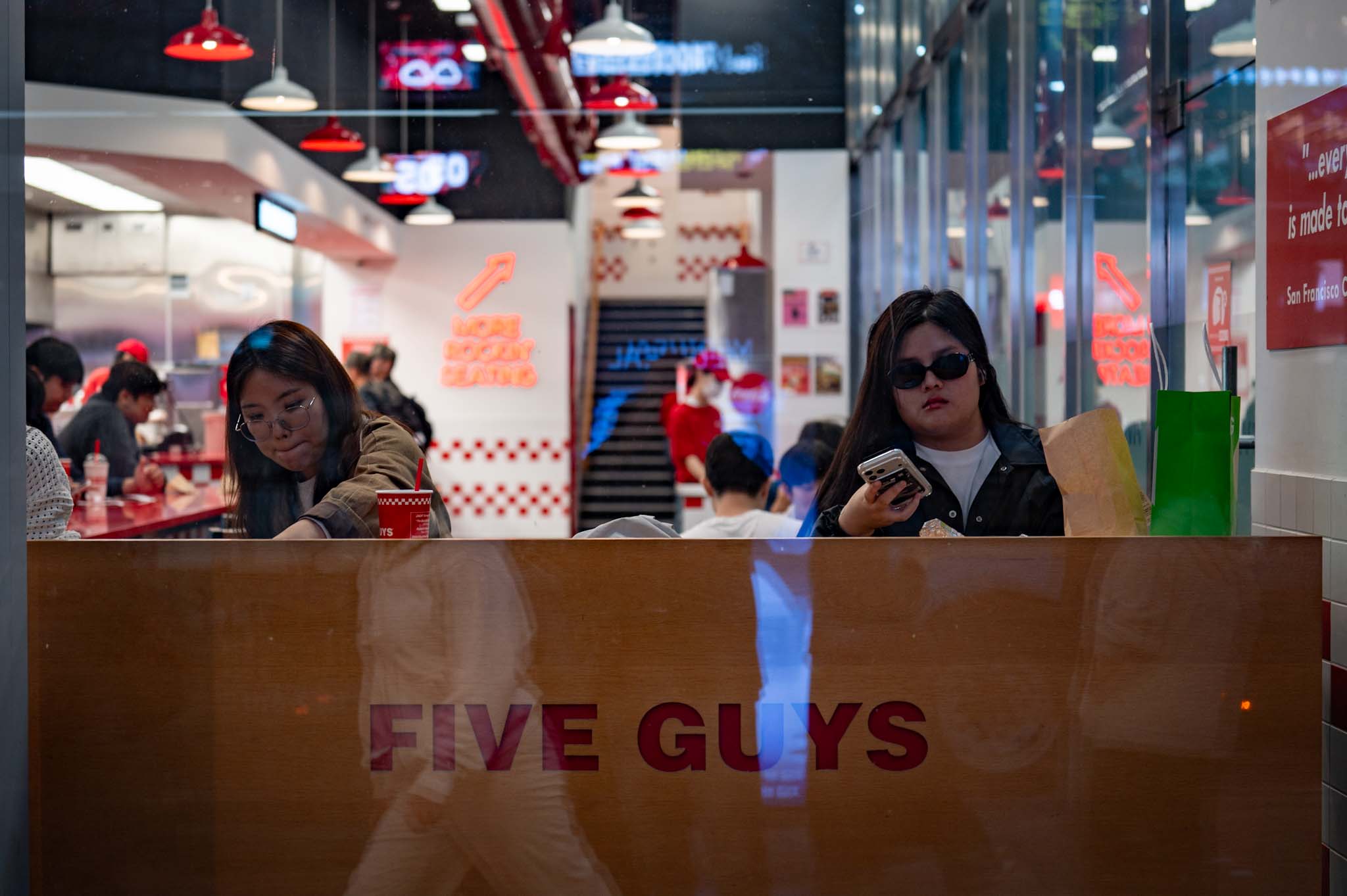
The temples I visited offered another form of withdrawal, one that required no technology: their silence was not an absence of life but an invitation to observe it differently. In Gangnam, attention is constantly requested, purchased and redirected. In a temple courtyard, attention can simply rest. Both environments belong to contemporary Korea, and neither tells the whole story of the country.
As I continued photographing, I realised that the distance between these two worlds might be less significant than their coexistence. Seoul does not need to choose between its Buddhist heritage and its modern ambitions. The same person can spend an afternoon seeking spiritual reassurance and an evening shopping beneath the neon lights. Perhaps that is what makes the city so fascinating: not the opposition between tradition and modernity, but the ease with which people move between them.
This is my final report from South Korea: time to fly home in Abu Dhabi. It’s been a fascinating trip lasting just over three weeks. Message me if you’d like any tips for visiting the country.
Discover more from THE QUIET REPORT
Subscribe to get the latest posts sent to your email.
